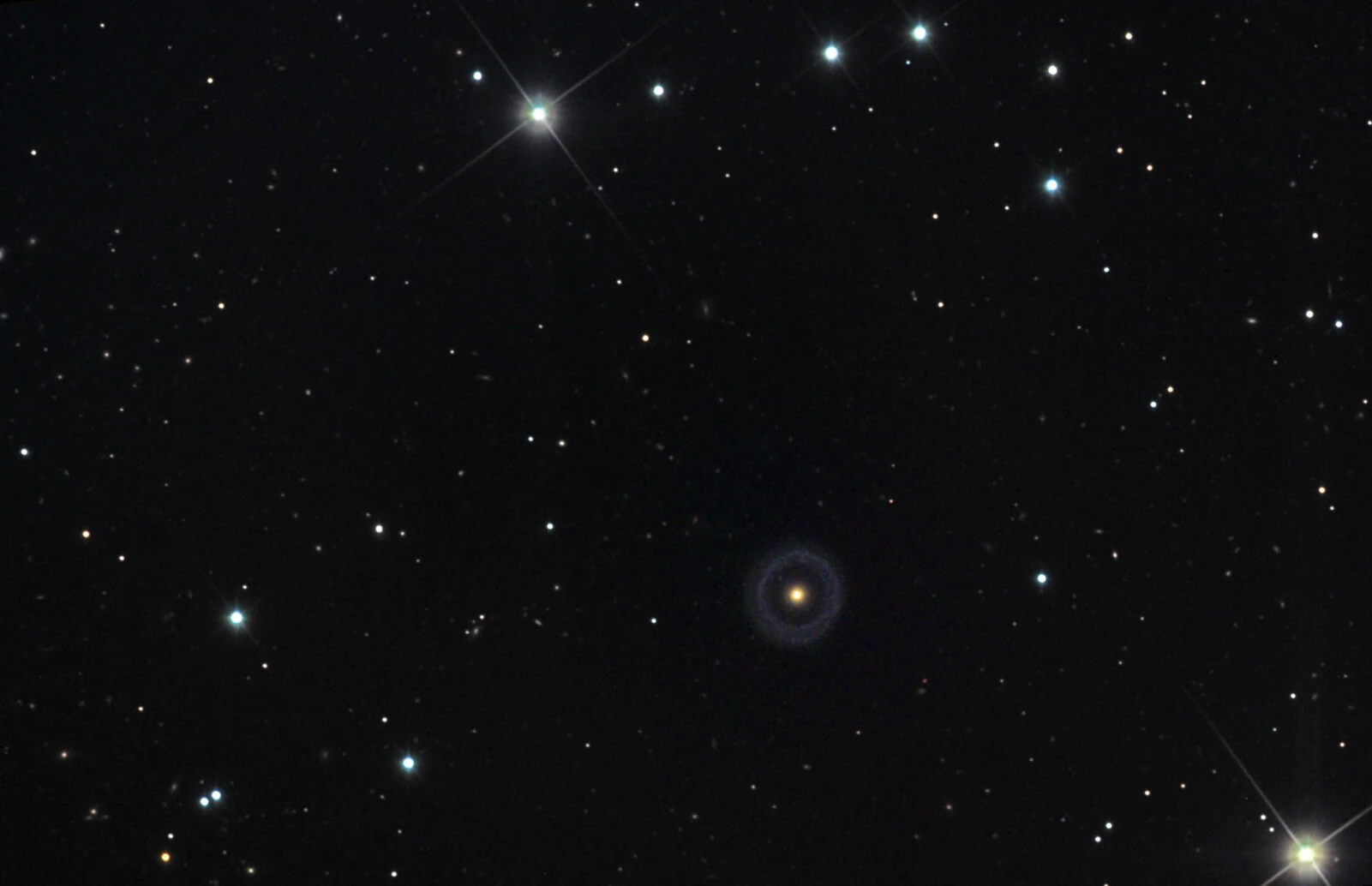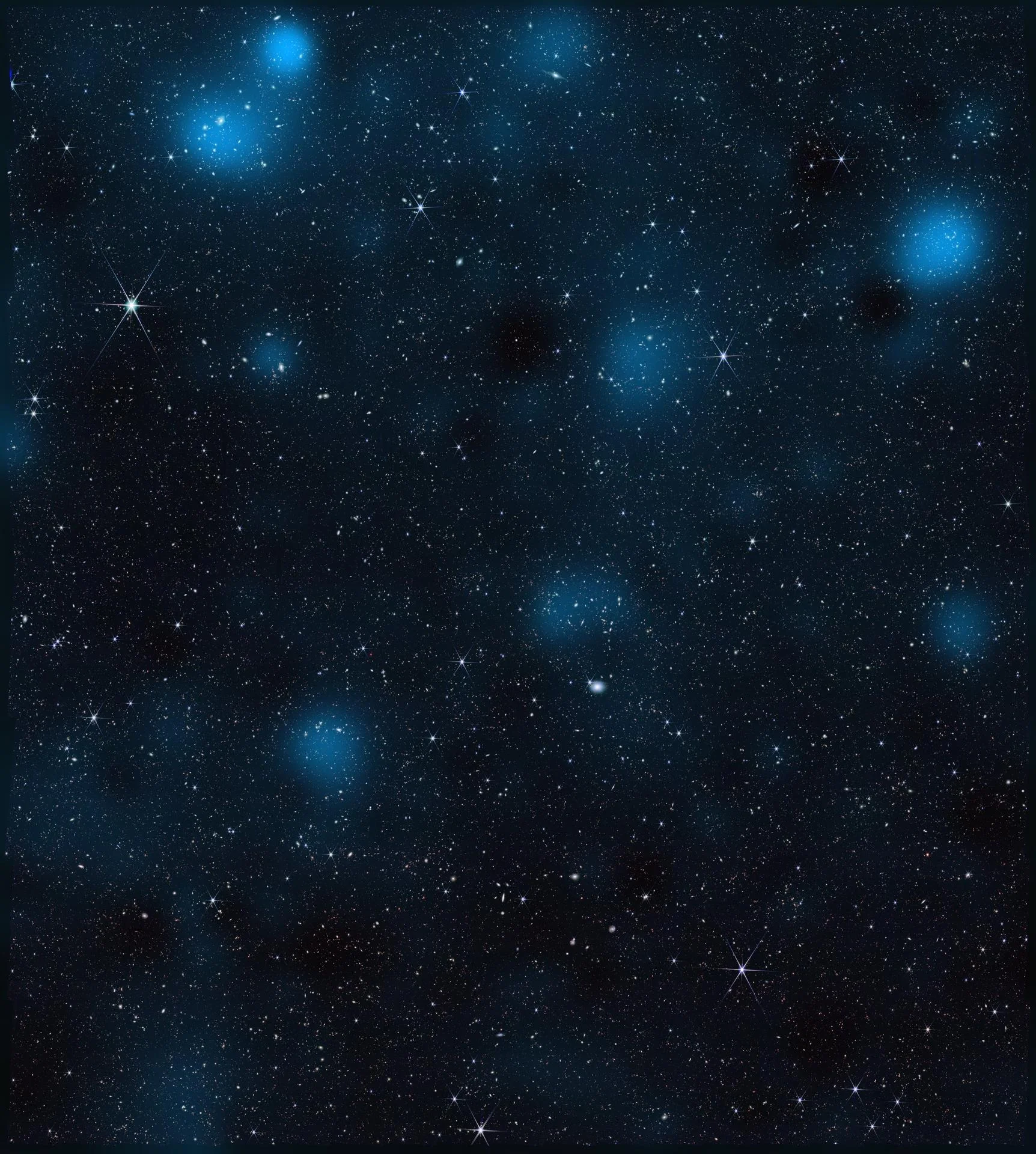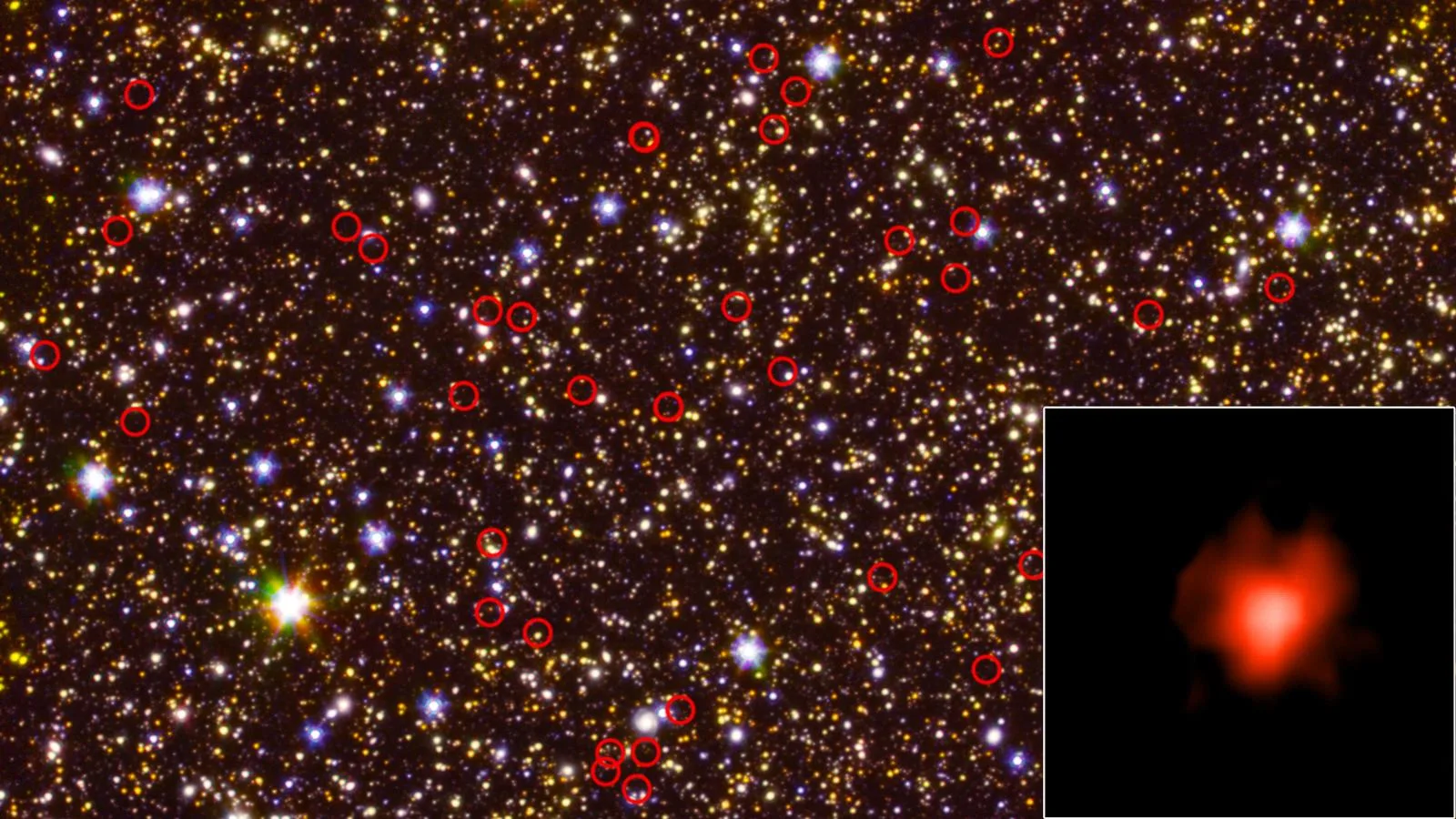
A deep-field view of the sky captured by NASA's Spitzer Space Telescope showing hundreds of faint distant galaxies scattered across the frame
AI × astronomy

Rubin Observatory sends millions of alerts per night. Nine ML brokers sort them.

On February 25, 2026, the Vera C. Rubin Observatory in Chile sent its first batch of real-time alerts — 800,000 of them in a single night. Each one flagged something that changed in the sky: a new point of light, a brightening star, a moving dot that might be an asteroid. The Legacy Survey of Space and Time (LSST) had officially started talking. That was the gentle version. At full survey depth, Rubin will generate up to 10 million difference-image alerts every night. No research group, no observatory control room, no grad student with a caffeine problem can review that by hand. The only reason the alerts are useful at all is a network of nine community software platforms — called alert brokers — that run machine-learning classifiers on every packet before the Sun comes up. ...

June 4, 2026 · 6 min · Andreas Ioannou
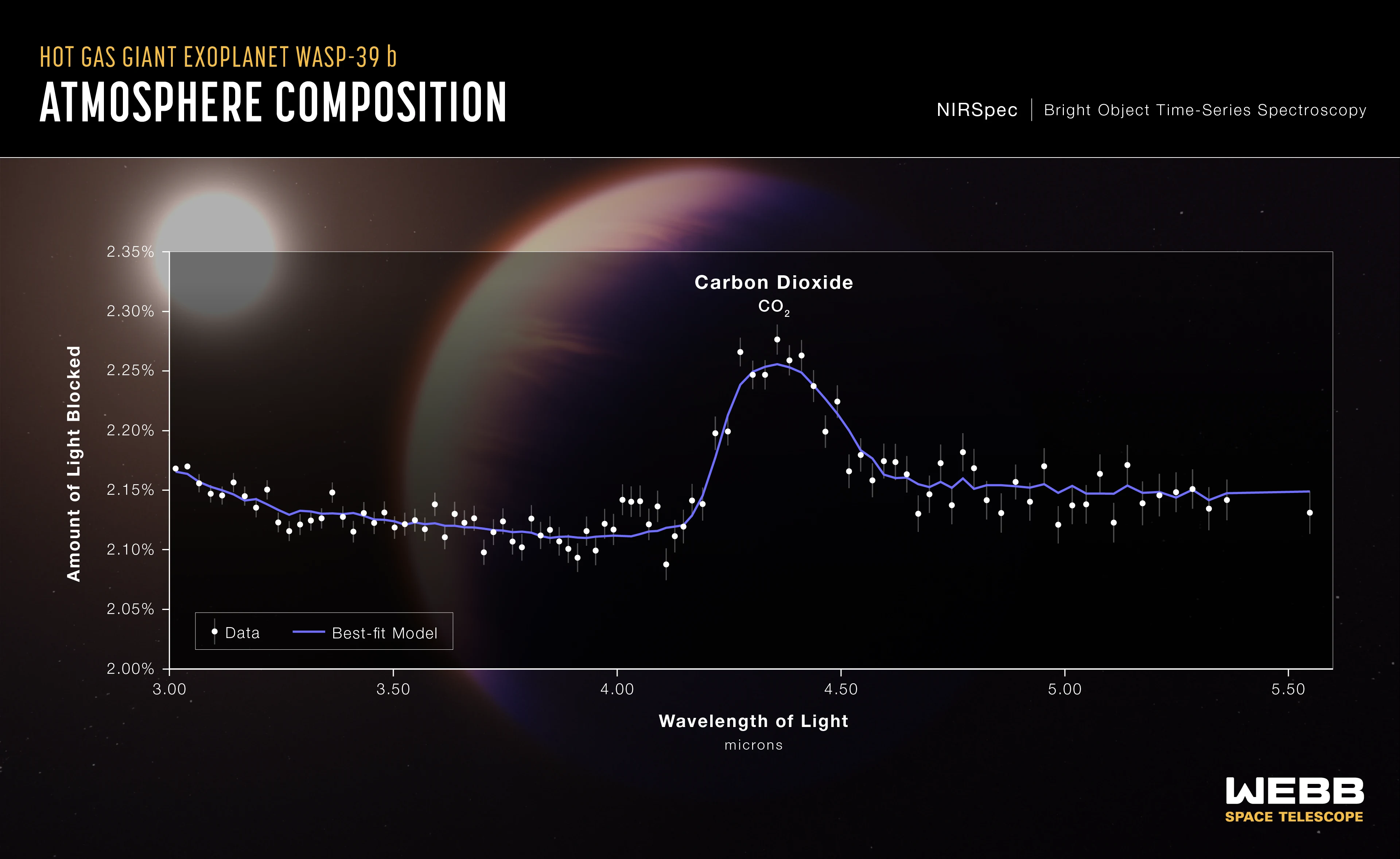
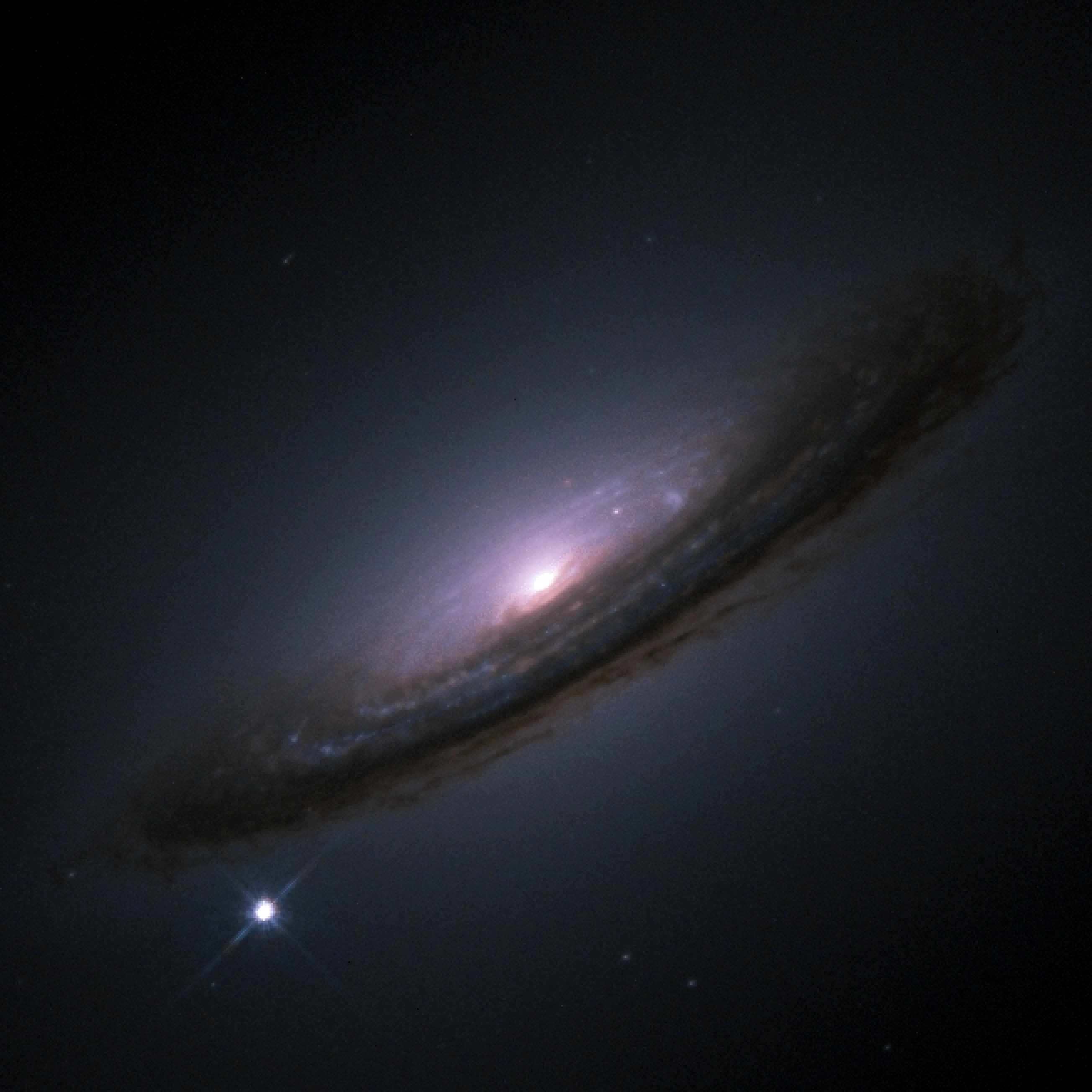
Image of Sun from NASA's Solar Dynamics Observatory
AI × astronomy

Machine learning is learning to hear inside the Sun

The Sun is a bell. Not a metaphor — the entire solar interior resonates with acoustic waves, trapped pressure oscillations that bounce between the surface and the core roughly every five minutes. The field that studies these oscillations is called helioseismology, and for three decades a network of ground stations has been recording every pulse. A team at the University of Sheffield and the National Solar Observatory just ran 30 years of those oscillations through three different machine learning architectures. All three converge on the same prediction: Solar Cycle 25 peaked in early 2025, and the next minimum falls around 2030–2031. The paper, published this month in Solar Physics, is one of the first to treat the Sun’s acoustic frequency shifts as a forecasting signal for the solar cycle — not just a diagnostic one. ...

May 21, 2026 · 6 min · Andreas Ioannou
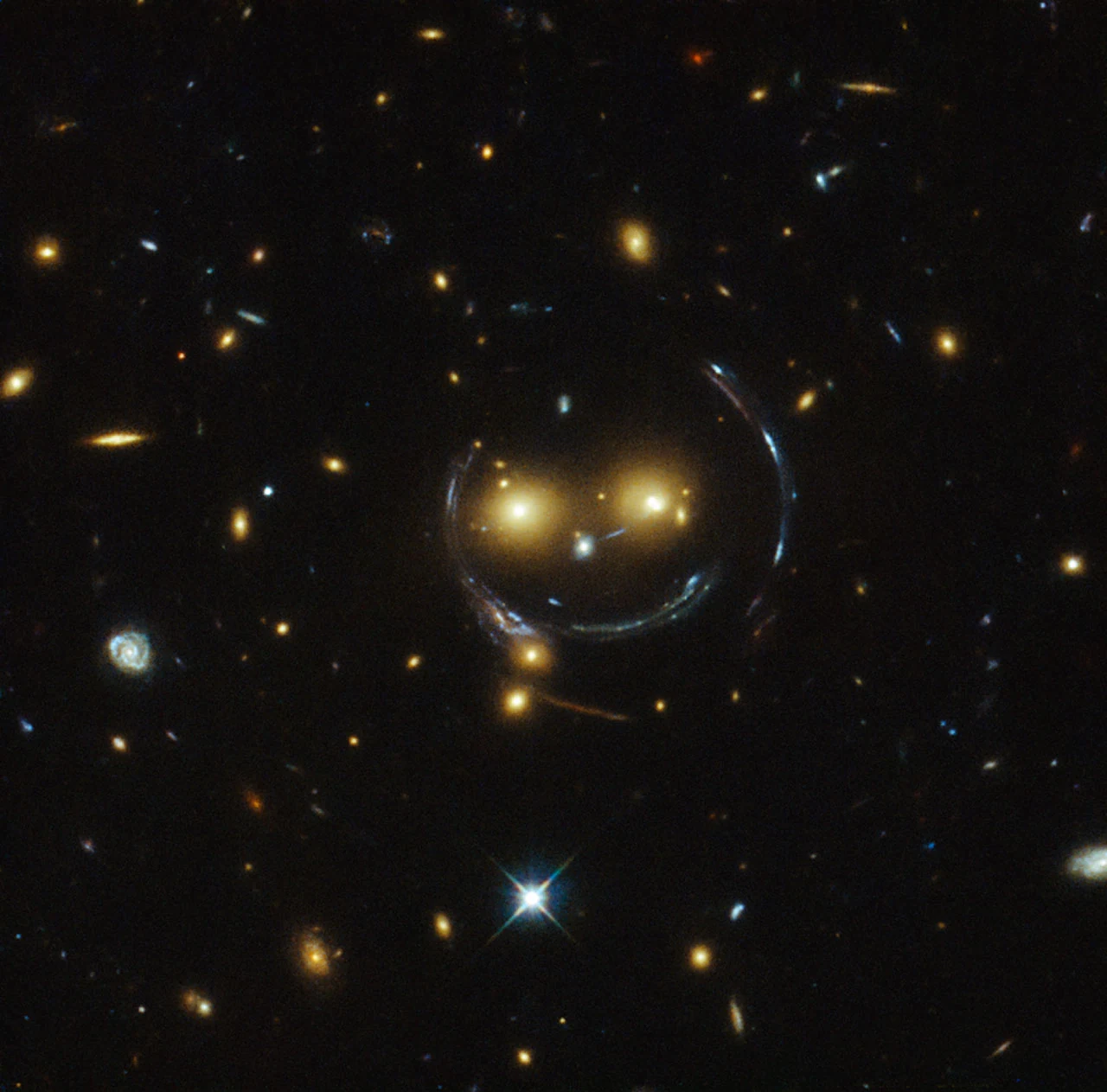
AI-generated illustration — a star field with translucent rings around several stars representing exoplanet transit signals
AI × astronomy

RAVEN found 118 planets in NASA's TESS data — here's how the algorithm works

A team at the University of Warwick pointed a machine-learning pipeline at four years of NASA TESS full-frame images — 2.2 million stars — and pulled out 118 validated planets, roughly 1,000 new candidates, and the first direct measurement of how scarce Neptune-sized worlds are in tight orbits. The pipeline is called RAVEN (RAnking and Validation of ExoplaNets), and the paper landed in MNRAS this spring. I spend most of my telescope time on deep-sky imaging from my balcony in Nicosia, but I follow the exoplanet pipeline papers closely because they sit exactly at the intersection I care about: where does the ML end and the astrophysics begin? RAVEN is a clean case study. ...

May 12, 2026 · 7 min · Andreas Ioannou
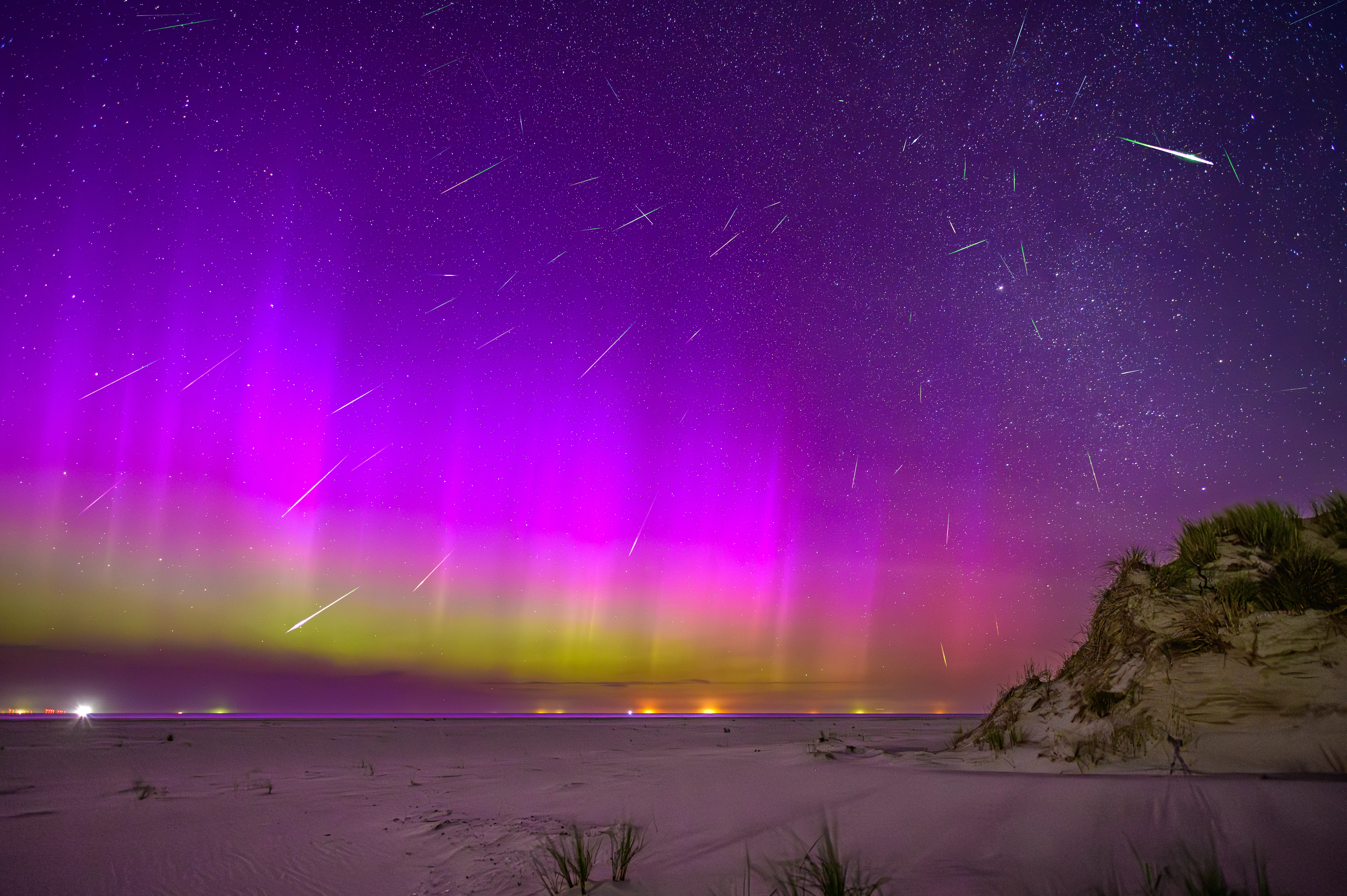
A wide-field amateur astrophotograph of the Corona Australis region, the kind of star field a smart telescope plate-solves in seconds
AI × astronomy

How plate solving works: the algorithm behind every smart telescope

Every time I tap a target on the Seestar app, my phone tells the telescope what to find, but not where it is. The S50 figures that part out itself: it slews in the rough direction, takes a calibration frame, asks “where on the sky was this taken?”, and adjusts. Three seconds, one re-pointing nudge, target centered. Plate solving is the answer to that one question: given an arbitrary image of stars, recover the pointing, scale, and rotation. The dominant open-source approach, astrometry.net, was published by Lang, Hogg, and collaborators in 2010 and has quietly become the unsung backbone of consumer astrophotography. Every smart telescope on the market today, from the Seestar S50 to the Vespera Pro, the DWARF 3, and the Celestron Origin, runs some variant of this in real time. ...

April 25, 2026 · 9 min · Andreas Ioannou