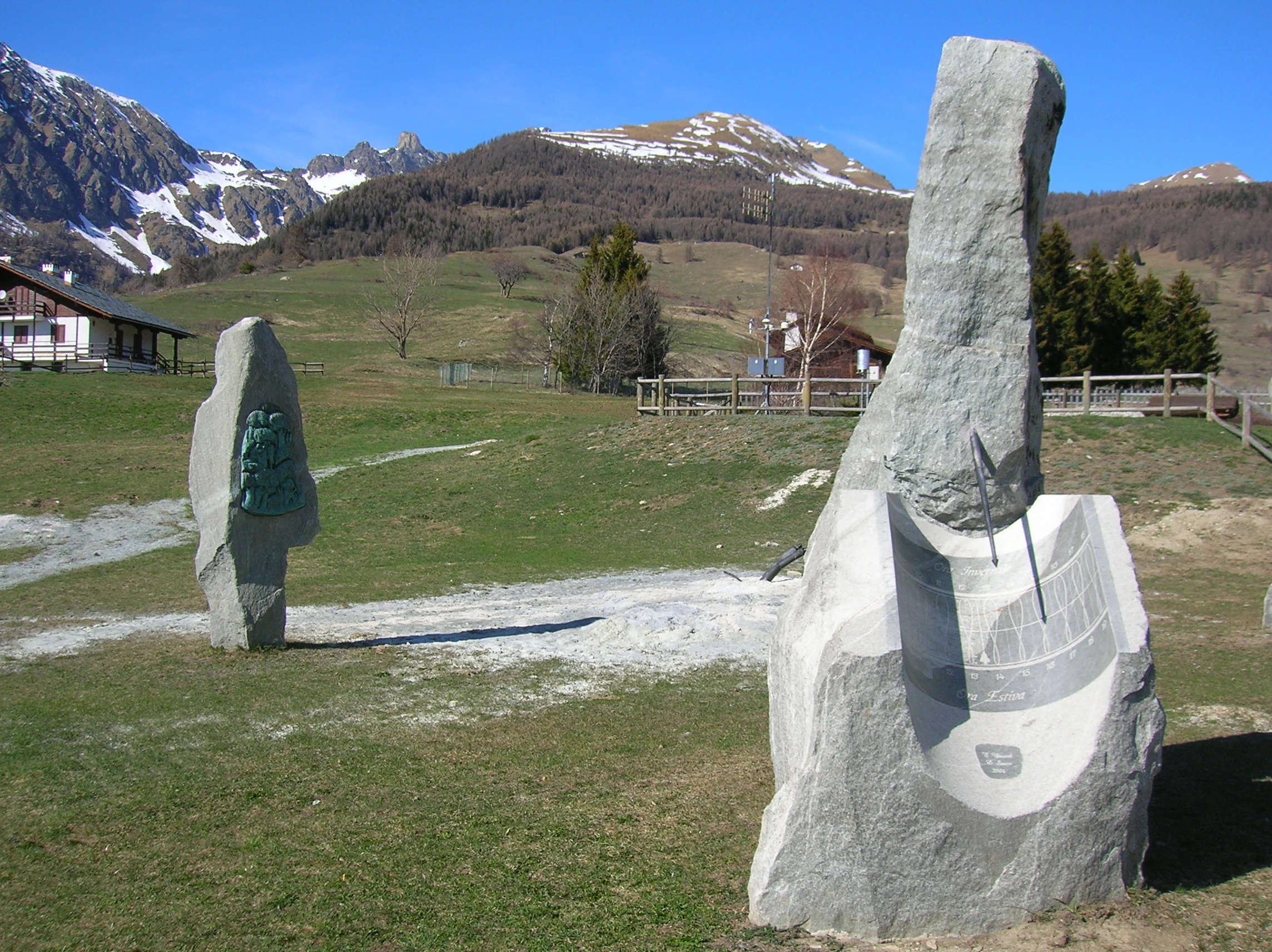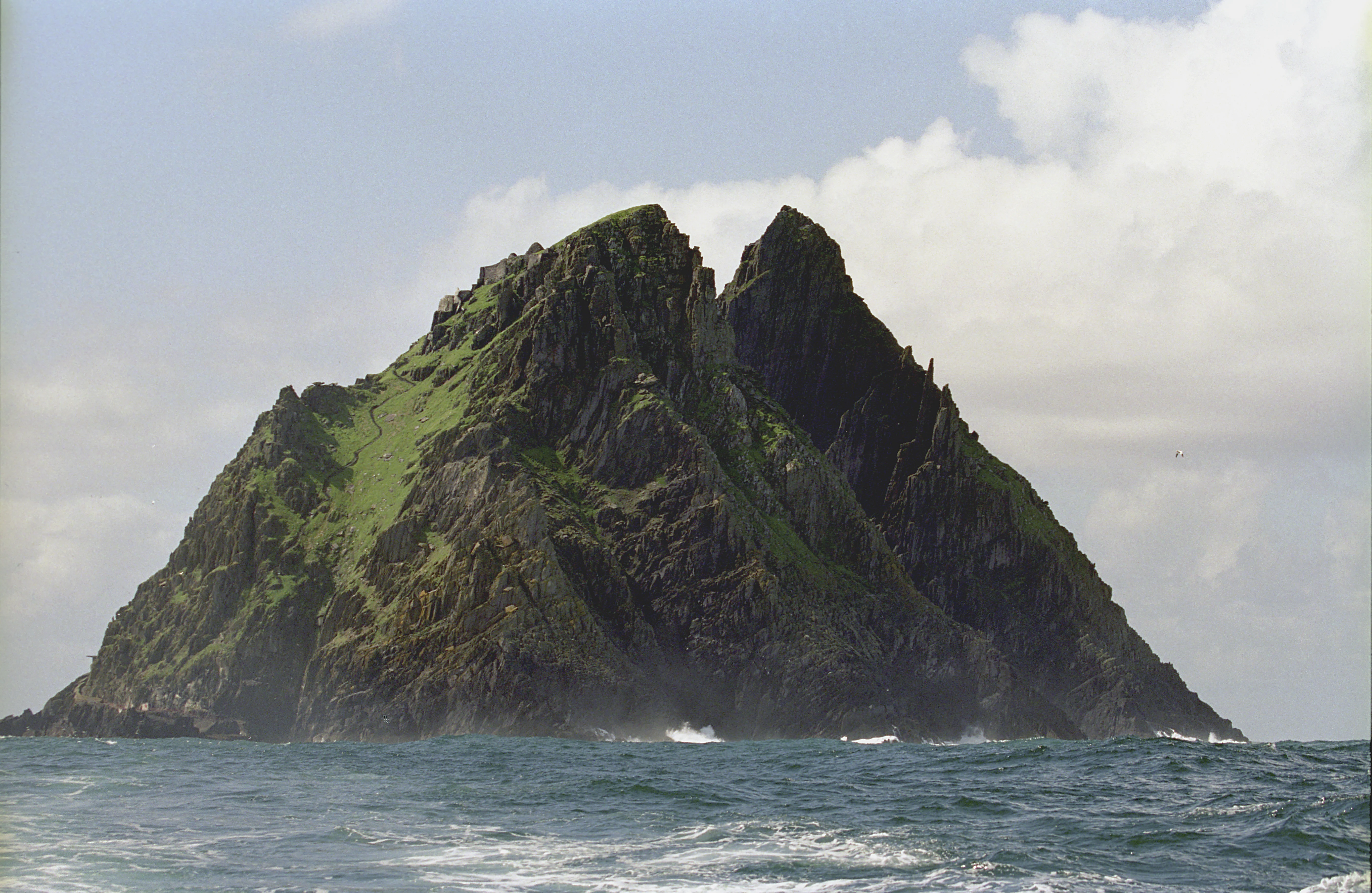
The twin-peaked island of Skellig Michael rising steeply from the Atlantic off the Iveragh Peninsula in County Kerry, with waves breaking at its base
Astrotourism

Stargazing in Kerry: the Northern Hemisphere's first gold-tier dark sky reserve

If you want a genuinely dark sky and you’d rather not leave Europe to find one, the Iveragh Peninsula in southwest Ireland is about as good as it gets. The Kerry International Dark Sky Reserve covers roughly 700 km² of the peninsula and was certified gold tier — the top rating — by the International Dark-Sky Association on 27 January 2014. It was the first gold-tier reserve named anywhere in the Northern Hemisphere, and it’s still one of only a handful worldwide. ...

August 29, 2026 · 8 min · Andreas Ioannou
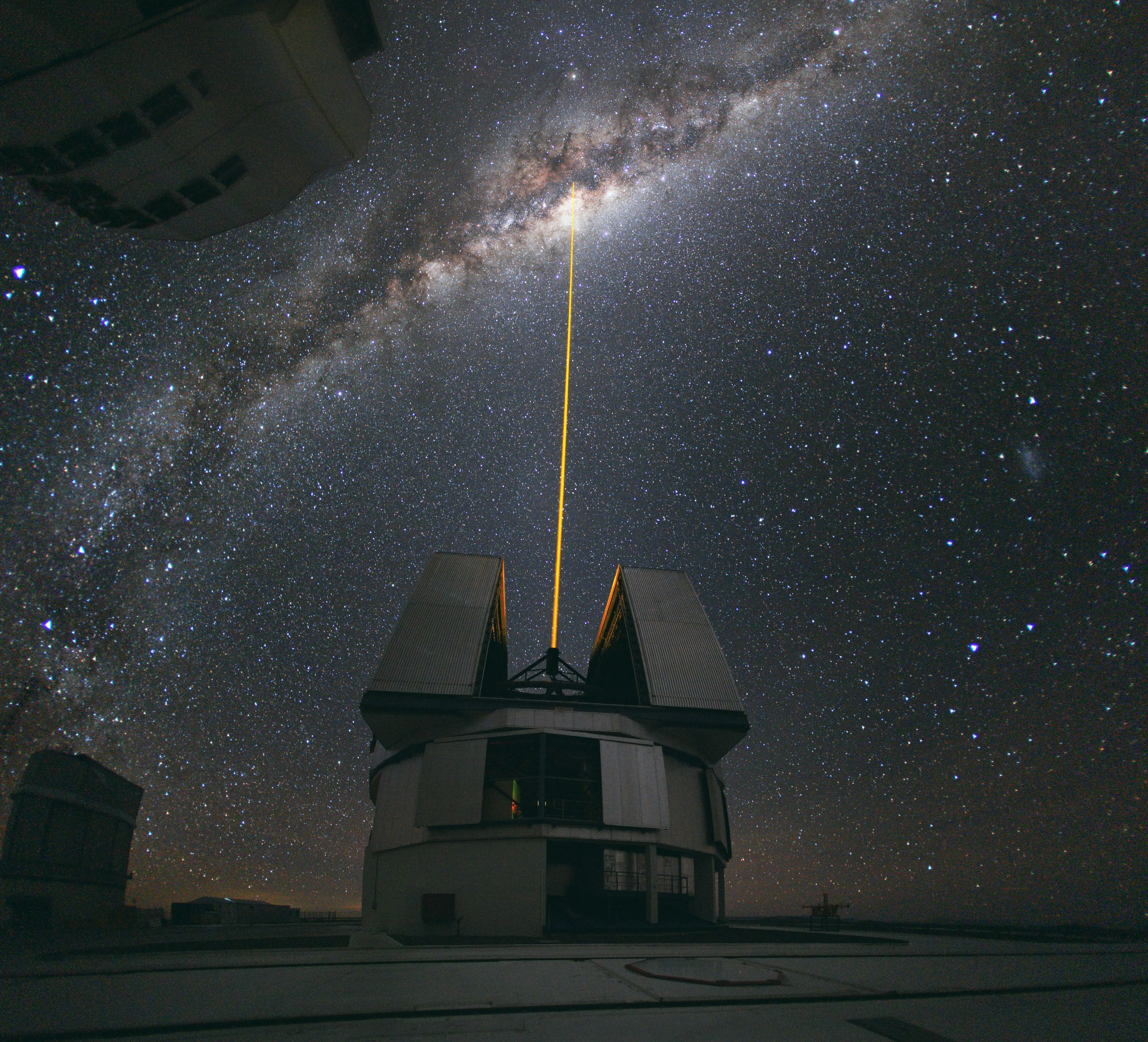
A green laser beam from the Very Large Telescope at ESO's Paranal Observatory in the Atacama Desert points up into the arch of the Milky Way over the southern night sky.
Astrotourism

Atacama stargazing: the southern sky you can't see from 35° north

I observe from a balcony in Nicosia at 35° north, and there is an entire half of the sky I have never seen. Not “hard to see.” Never. The Southern Cross, the two Magellanic Clouds, Omega Centauri riding high instead of skimming the murk: from Cyprus these sit permanently below my horizon or crawl along it. The Atacama Desert in northern Chile is where I’d go to fix that, and if you observe from anywhere in Europe, it’s probably the single trip that would show you the most sky you’ve never had access to. ...

August 15, 2026 · 8 min · Andreas Ioannou
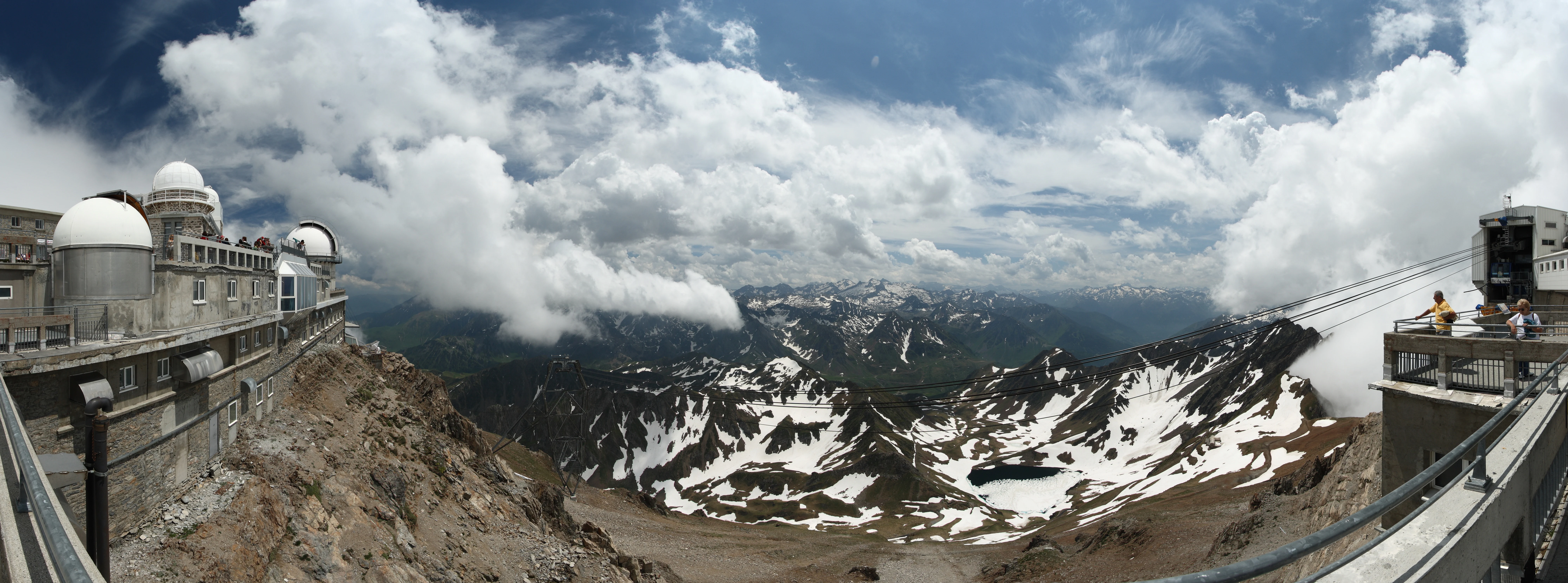
The Pic du Midi de Bigorre observatory domes and summit terraces at 2,877 m, with the cable car cables at right and a snow-streaked Pyrenees panorama beyond.
Astrotourism

Pic du Midi: stargazing at 2,877 m in France's only dark sky reserve

Most dark-sky destinations ask you to drive somewhere remote, set up your own gear, and hope the weather holds. Pic du Midi does something almost no other site in Europe offers: it puts a 130-year-old research observatory on a 2,877-metre summit, runs a cable car up to it, and, if you can stomach the price, lets you sleep the night at the top with the telescopes. It sits at the centre of France’s only International Dark Sky Reserve. This is a guide to what the sky is actually like there, how to get up, what the overnight stay includes, and the much cheaper way to use the same dark skies from the valleys below. ...

August 1, 2026 · 9 min · Andreas Ioannou
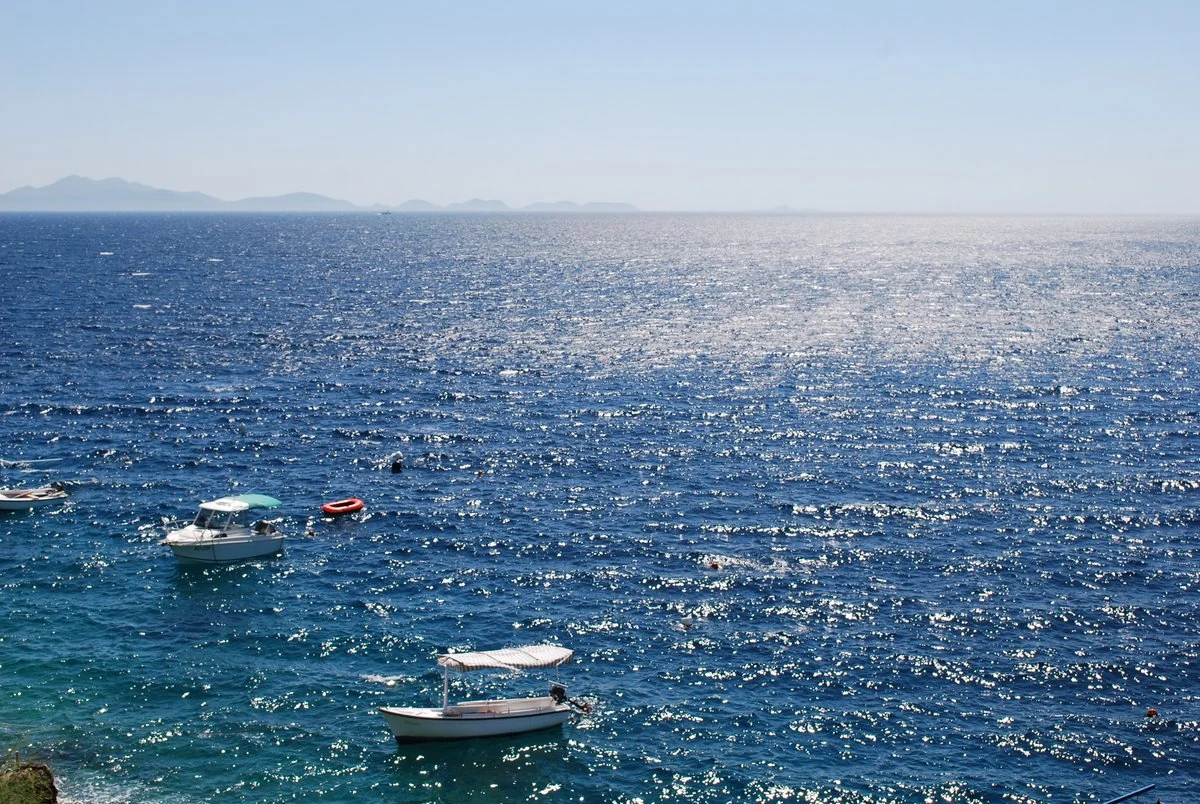
Small boats moored on calm, deep-blue Adriatic Sea water with distant islands low on the hazy horizon under a clear sky
Astrotourism

Lastovo: stargazing from Croatia's most remote island

Lastovo is the most distant inhabited island from the Croatian mainland — about 14 km of open sea south of Korčula, and a good deal further from any coastal city glow. Roughly 800 people live there, spread across a municipality of 46 islands and islets. In 2008 the island swapped out every public streetlight for low-wattage, full-cutoff lamps that throw nothing upward, years before Croatia had a law requiring it. The result is one of the darkest inhabited places left in the Mediterranean, and a live candidate for International Dark Sky Park status. ...

July 16, 2026 · 8 min · Andreas Ioannou
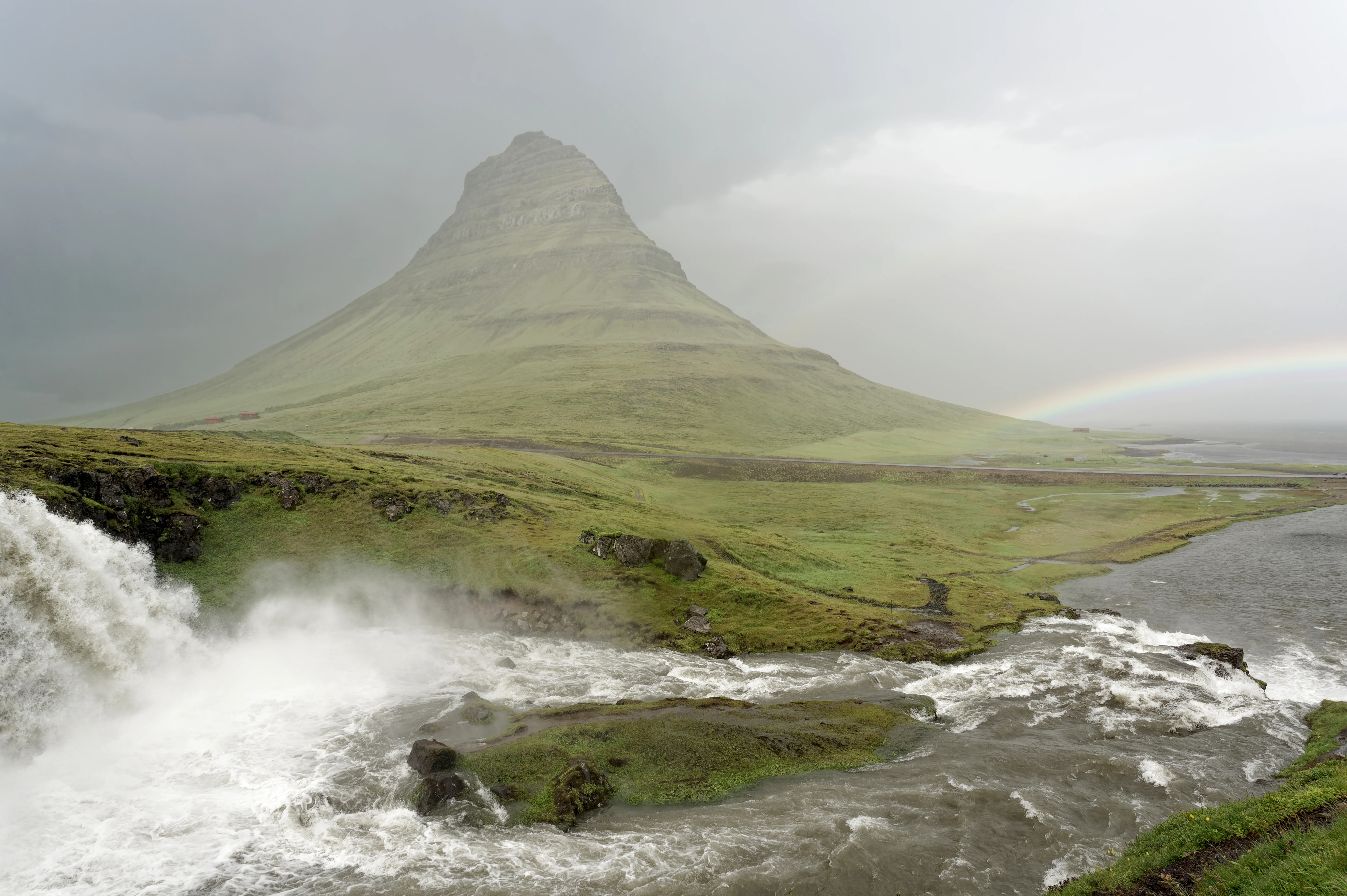
Kirkjufell mountain and the Kirkjufellsfoss waterfall on Iceland's Snæfellsnes Peninsula, one of the regions inside the August 12, 2026 path of totality
Astrotourism

The August 12 eclipse in Iceland: where to stand, and the weather gamble

On August 12, 2026, the Moon’s shadow makes landfall in western Iceland before it reaches anywhere else you can practically stand on. It crosses the Westfjords, the Snæfellsnes Peninsula, the northern edge of Reykjavík, and the Reykjanes Peninsula, then leaves the island and heads for northern Spain. If you want the longest totality this eclipse offers on land, a hair over two minutes, and you want the Sun a comfortable 24° above the horizon instead of skimming the sea, Iceland is the place. The catch is the sky. Iceland in August is one of the harder clear-sky bets on the whole eclipse track, and pretending otherwise would be doing you a disservice. ...

July 4, 2026 · 7 min · Andreas Ioannou
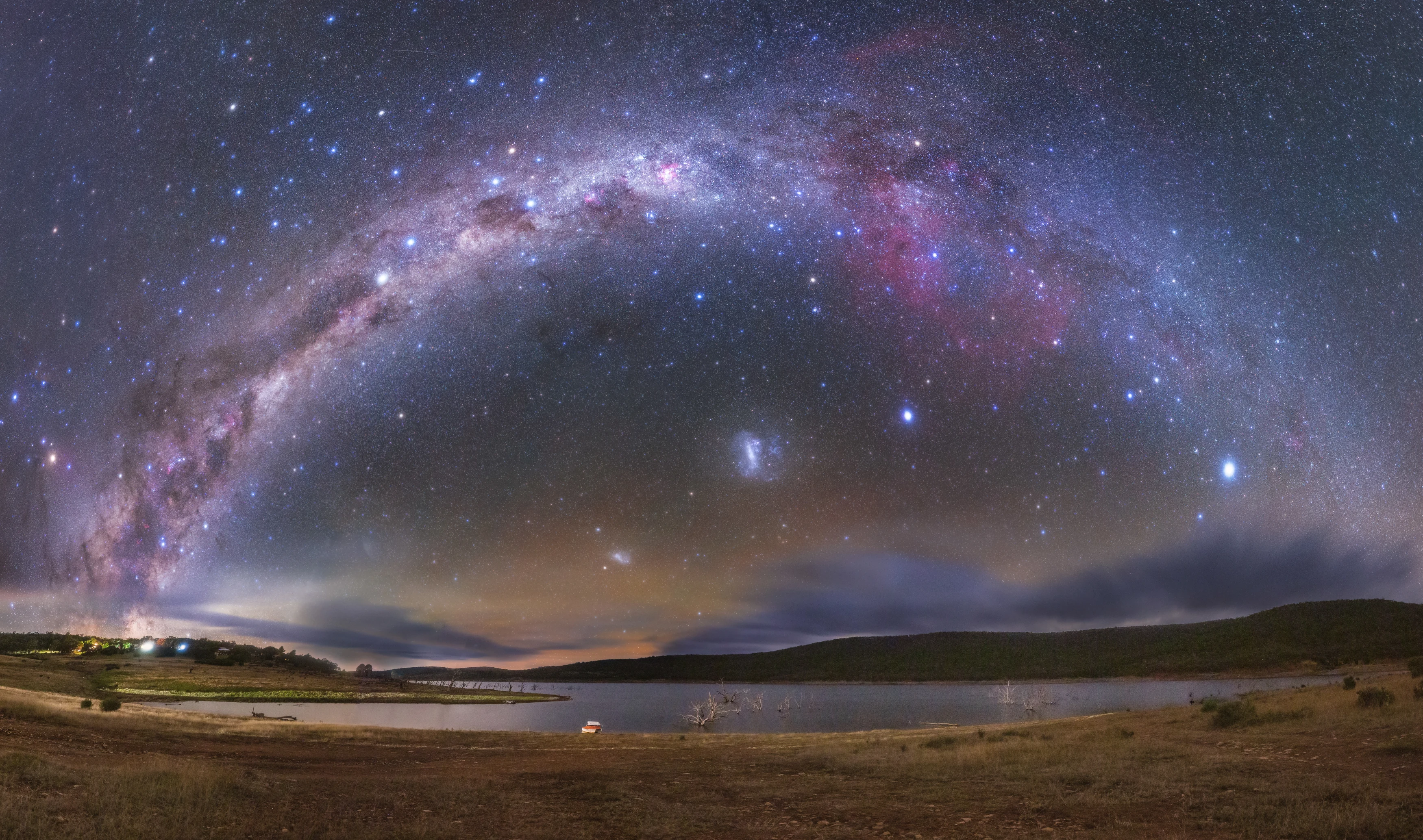
The Milky Way arching over a dark southern hemisphere landscape with the Southern Cross, pointer stars, and Magellanic Clouds visible
Astrotourism

NamibRand: what the sky looks like from a Bortle 1 desert at 25° south

NamibRand Nature Reserve covers 2,150 km² of Namib Desert roughly 400 km southwest of Windhoek. In 2012, the International Dark-Sky Association gave it Gold Tier International Dark Sky Reserve status — the second site in the world to receive the designation, and the first in Africa. The reserve records Bortle 1 sky conditions on a continuously logging Unihedron SQM-LE, with the nearest meaningful light dome more than 70 km away. If you’ve only ever observed from mid-northern latitudes and wonder what the Milky Way looks like when its core passes through your zenith, this is the place to find out. ...

June 20, 2026 · 6 min · Andreas Ioannou
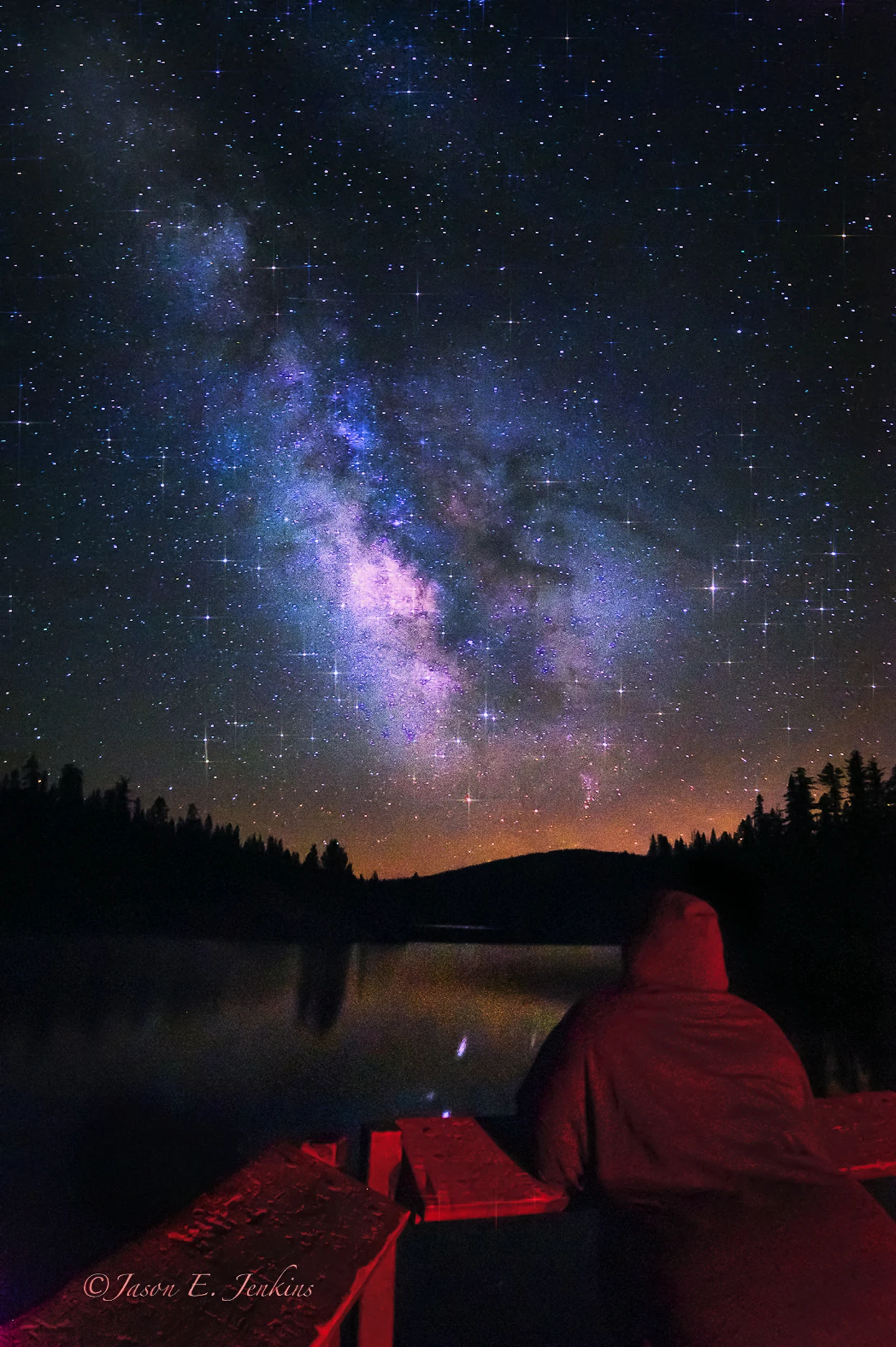
A person gazing at the Milky Way from a mountain lake under a dark sky
Astrotourism

Kefalonia's Mount Aenos: stargazing from Greece's first and only dark sky park

Greece has one certified dark sky park. It’s on Kefalonia, on top of Mount Aenos, inside a national park that was established in 1962 to protect a fir tree found almost nowhere else. The fir is still there. So are skies dark enough to earn DarkSky International certification in 2023 — the first site in Greece to manage it. If you’re planning a Greek island trip this summer and you own a pair of binoculars, Aenos deserves a night. ...

June 7, 2026 · 7 min · Andreas Ioannou
The Telescopio Nazionale Galileo at Roque de los Muchachos Observatory on La Palma, with the Andromeda galaxy visible in the night sky
Astrotourism

La Palma: the island that wrote dark skies into law

La Palma has something no other island in the world can match: a national law — Ley 31/1988, the Ley del Cielo — that controls every streetlight, bans upward-pointing fixtures, and dims the grid after midnight. The law exists to protect the sky above the Roque de los Muchachos Observatory, where the 10.4 m Gran Telescopio Canarias sits at 2,396 m altitude. The side effect for visitors is an island with some of the darkest measured skies in Europe, over 300 clear nights per year, and 16 purpose-built astronomical viewpoints. ...

May 24, 2026 · 7 min · Andreas Ioannou
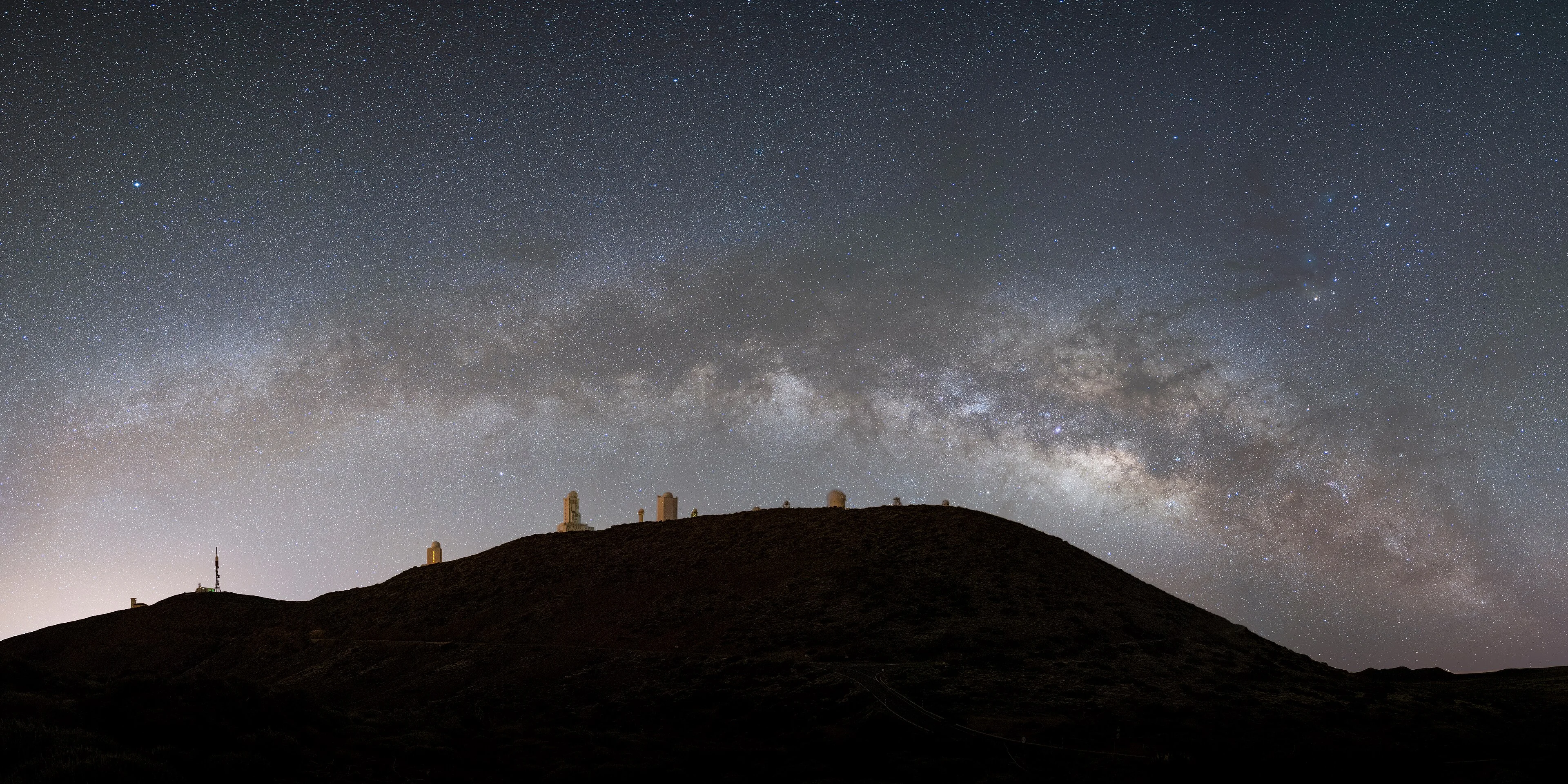
Milky Way panorama over a lake at night
Astrotourism

Alqueva Dark Sky Reserve: 10,000 km² of protected night sky in Portugal's Alentejo

Southern Portugal’s Alentejo region is flat, dry, and almost empty. The largest artificial lake in Western Europe — Alqueva — sits at its center, surrounded by cork oak plains, whitewashed villages, and roughly zero urban light domes. In 2011, the Starlight Foundation (supported by UNESCO, the IAU, and UNWTO) certified a 10,000 km² zone around the lake as the world’s first Starlight Tourism Destination. Fourteen years later, the reserve is still one of the darkest accessible skies in Europe, and one of the easiest to reach. ...

May 13, 2026 · 7 min · Andreas Ioannou
The Milky Way arching over a mountain valley, with stars reflected in a high-altitude lake
Astrotourism

Stargazing from Troodos: a practical guide to Cyprus's mountain dark sky

If you live anywhere on Cyprus, you can be under SQM 21.3 skies in 90 minutes. The Troodos massif covers the central third of the island, peaks at 1,952 m on Mount Olympus, and is the only place on Cyprus with both real darkness and paved roads to it. From my balcony in Nicosia (Bortle 7, SQM around 19.0 on a good night), the difference is roughly two visual magnitudes. The Milky Way goes from “you can almost see it” to “you can read your watch by it.” ...

April 26, 2026 · 9 min · Andreas Ioannou