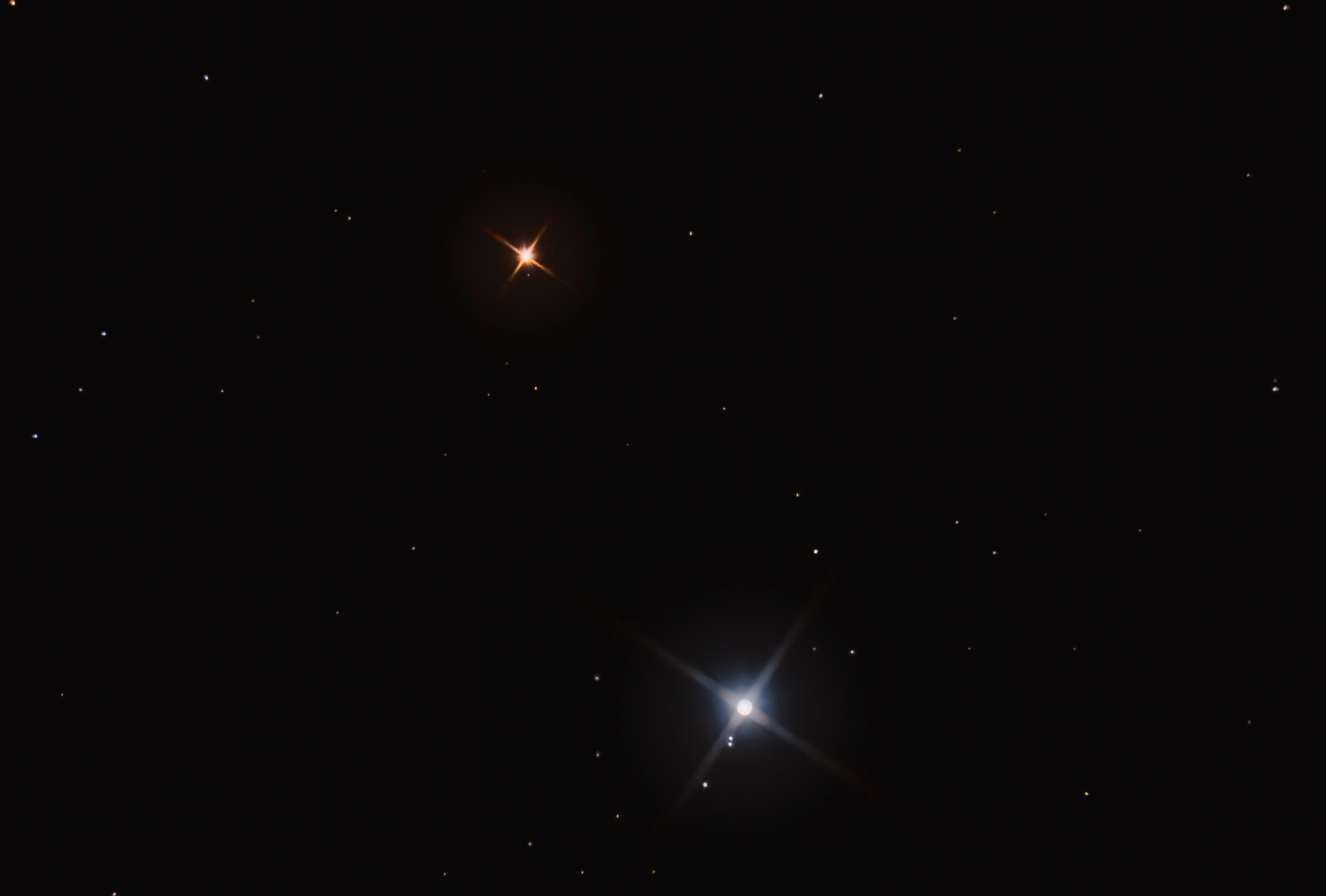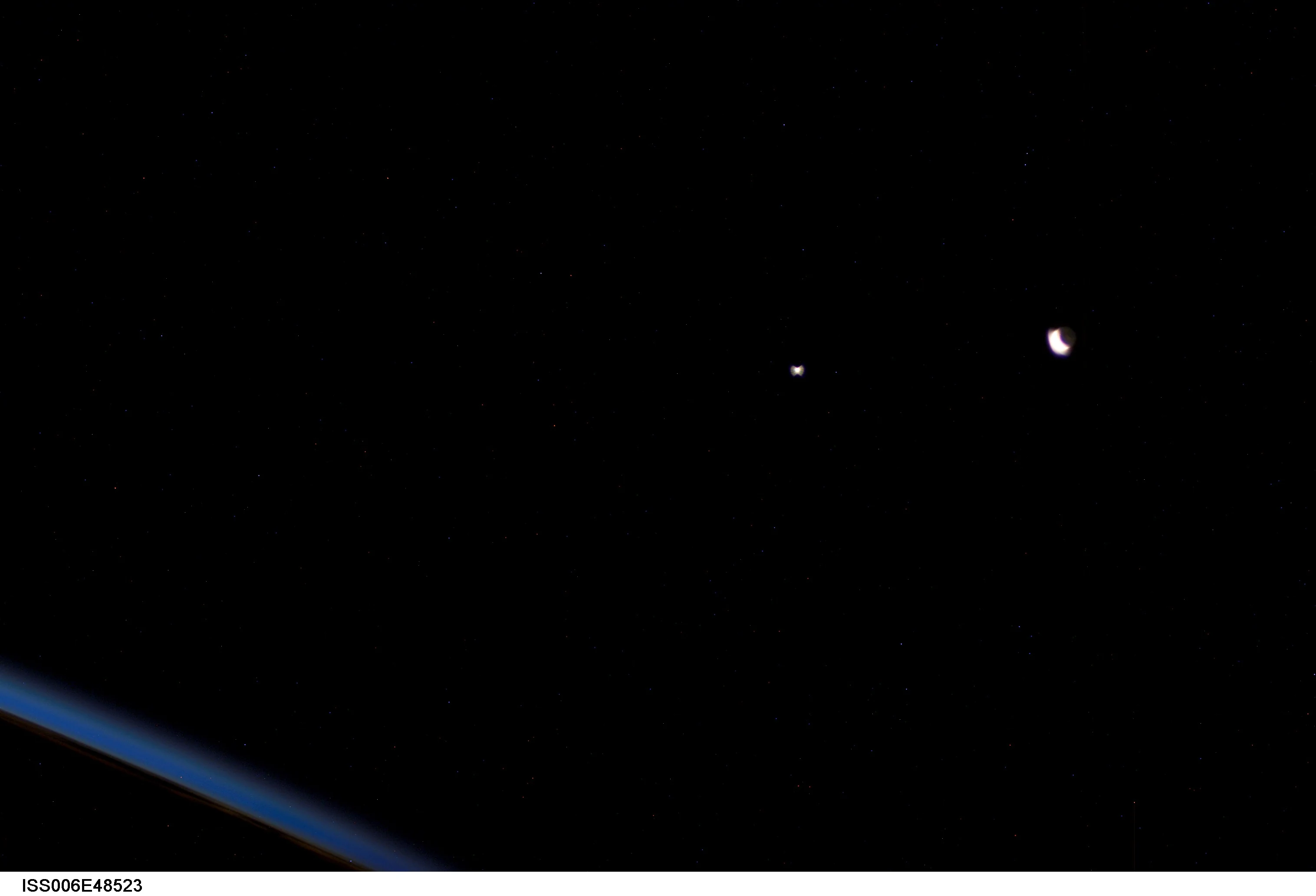
Venus, Moon, and Jupiter in conjunction above the horizon
Celestial event

Venus–Jupiter conjunction on June 9: both planets fit in one binocular view

On the evening of June 9, Venus and Jupiter close to within roughly 1.5° of each other, about three full-moon widths, low in the western twilight. Venus, near magnitude −4, is the brighter of the two. Jupiter sits at about magnitude −2, dimmer but impossible to miss. Both planets fit comfortably inside a standard binocular field of view, and you don’t need anything more than your eyes to enjoy the pairing. The show runs for the better part of a week on either side of the closest approach, so one cloudy night won’t ruin it. ...

June 2, 2026 · 7 min · Andreas Ioannou
Full disc of the Moon showing maria and craters, imaged by NASA Goddard Space Flight Center
Celestial event

May 31 brings a Blue Micromoon — the smallest full moon of 2026

On May 31 at 08:45 UTC, the Moon reaches full phase for the second time this month. That second-in-a-month qualifier makes it a Blue Moon by the modern calendar definition. It also happens to sit near apogee — 406,135 km from Earth — making it a Micromoon: roughly 5.5% smaller in angular diameter and about 10% dimmer than an average full moon. It’s the most distant full moon of 2026. And if you walk outside that night expecting something visibly unusual, you’ll be disappointed. ...

May 20, 2026 · 6 min · Andreas Ioannou
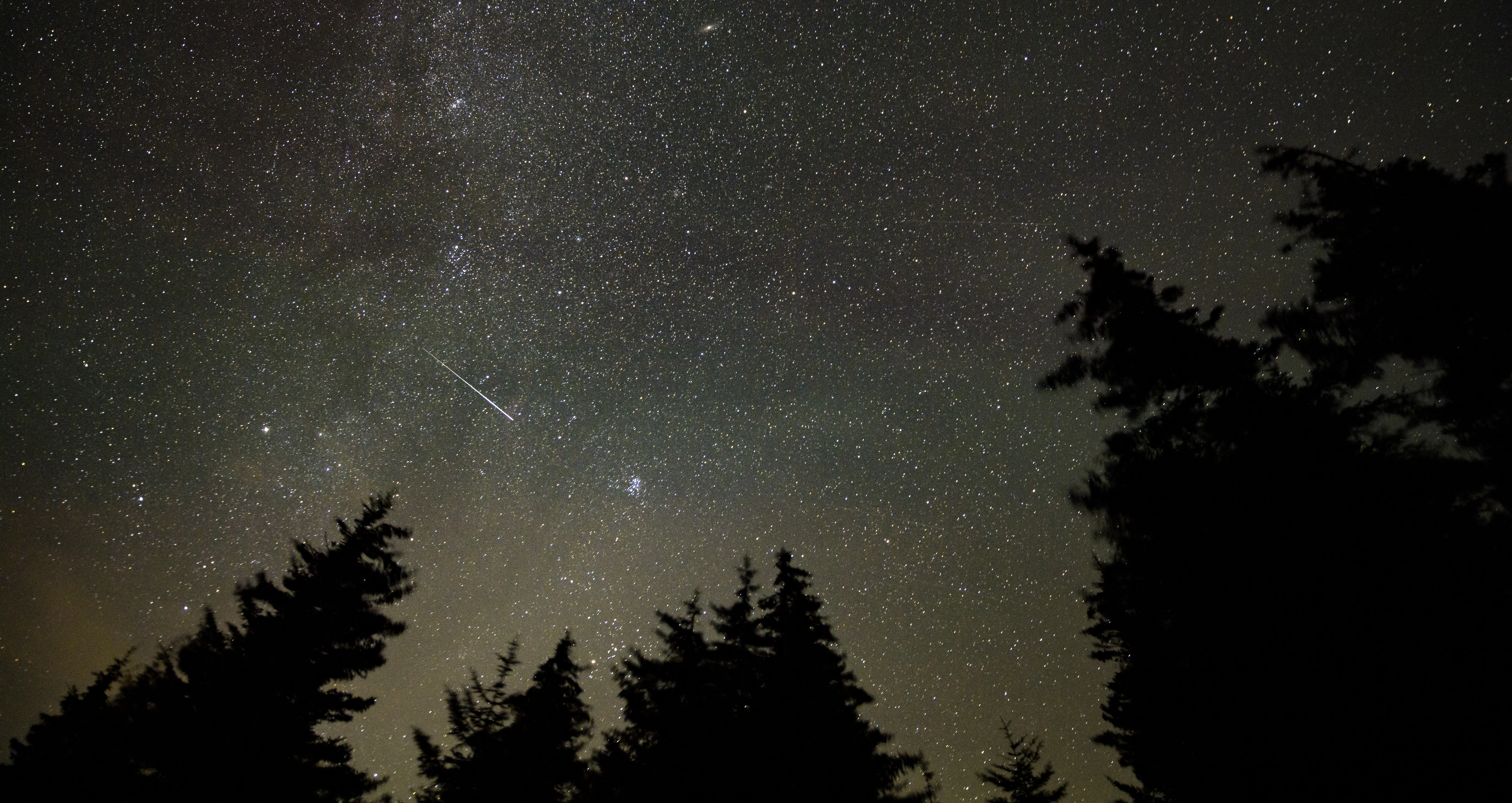
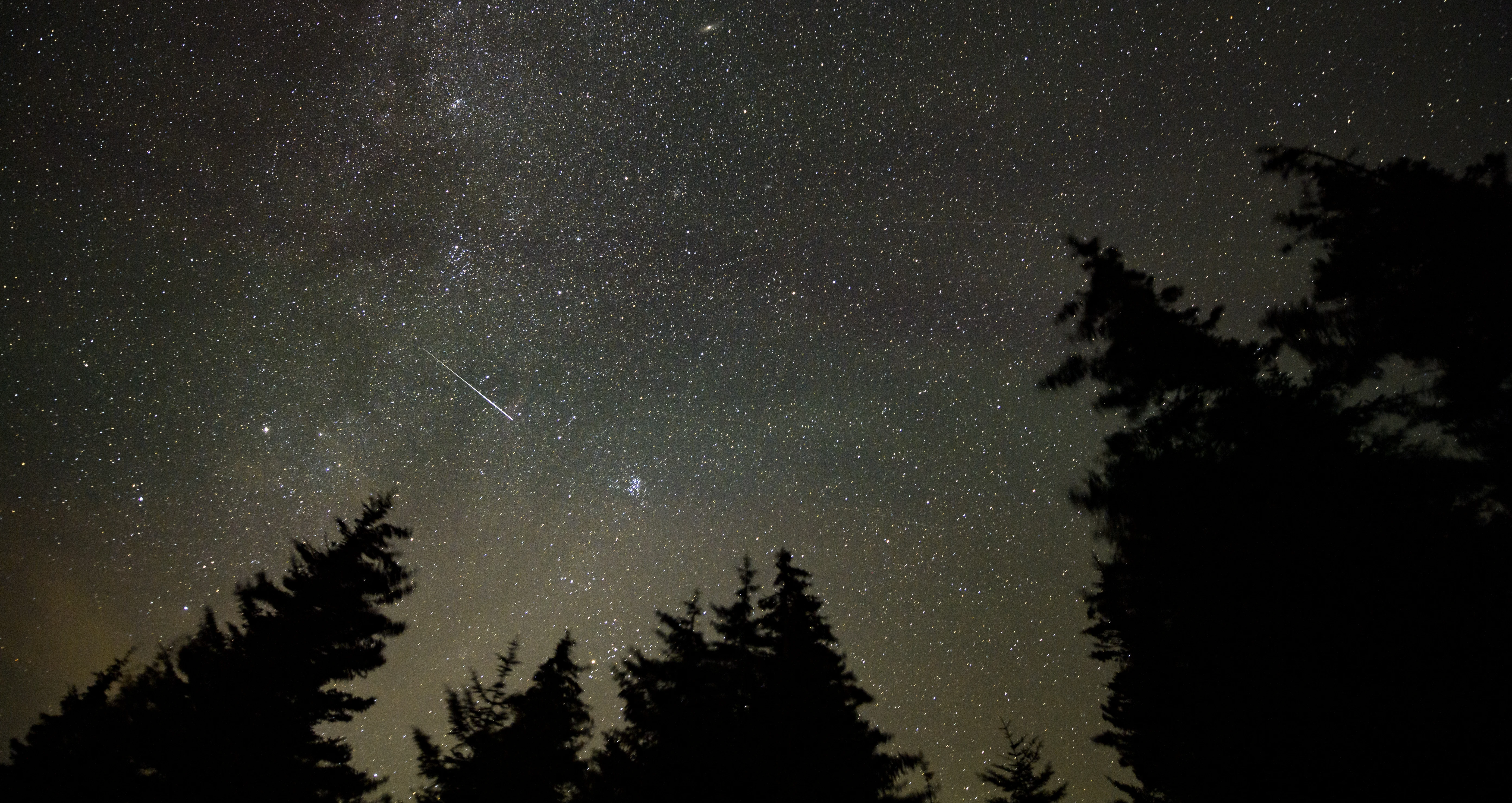
A bright meteor streaks across the Milky Way during the Perseid meteor shower, photographed in a 30-second exposure from Spruce Knob, West Virginia
Celestial event

Eta Aquariids 2026: what to expect from tonight's peak with an 84% moon

The Eta Aquariids peaked at 03:51 UTC on May 5, but this shower has a broad maximum — activity tonight and tomorrow morning (May 6–7) will be nearly as strong as peak night. The problem isn’t timing. It’s the moon: an 84%-illuminated waning gibbous will sit above the horizon during the entire pre-dawn window when the radiant is highest. That cuts your visible count roughly in half compared to a moonless year. ...

May 6, 2026 · 6 min · Andreas Ioannou
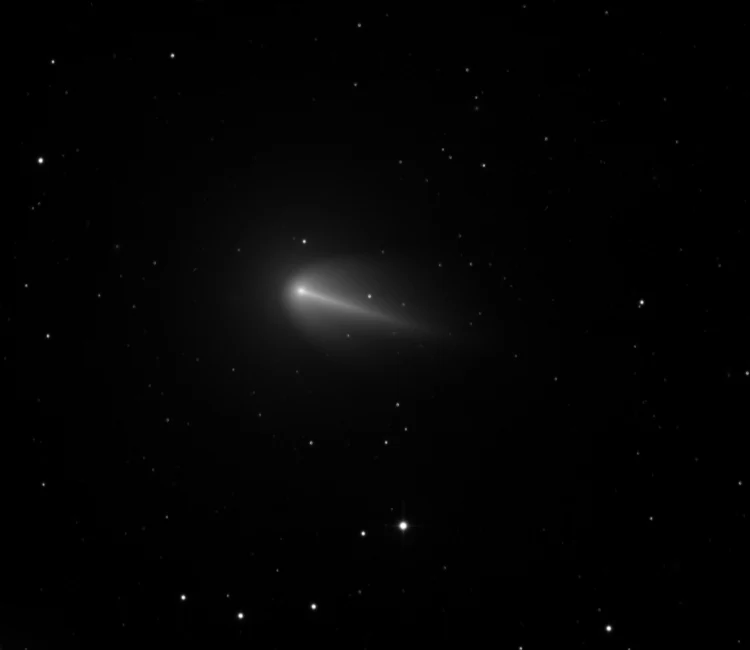
C2025 R3 (PanSTARRS) on 8 April 2026
Celestial event

Comet C/2025 R3 (PanSTARRS) after perihelion: an honest field report from 35°N

Comet C/2025 R3 (PanSTARRS) passed perihelion on April 19, 2026 at 0.499 AU from the Sun, then made its closest pass of Earth on April 26 at 0.489 AU (about 73 million km). For a few days around peak it pulled to roughly magnitude +3 to +5, depending on whose visual estimate you trust on the COBS database. Bright enough to spot in dark-sky binoculars, faint enough that nobody from the Northern Mediterranean was going to call it a naked-eye showpiece. ...

April 28, 2026 · 8 min · Andreas Ioannou
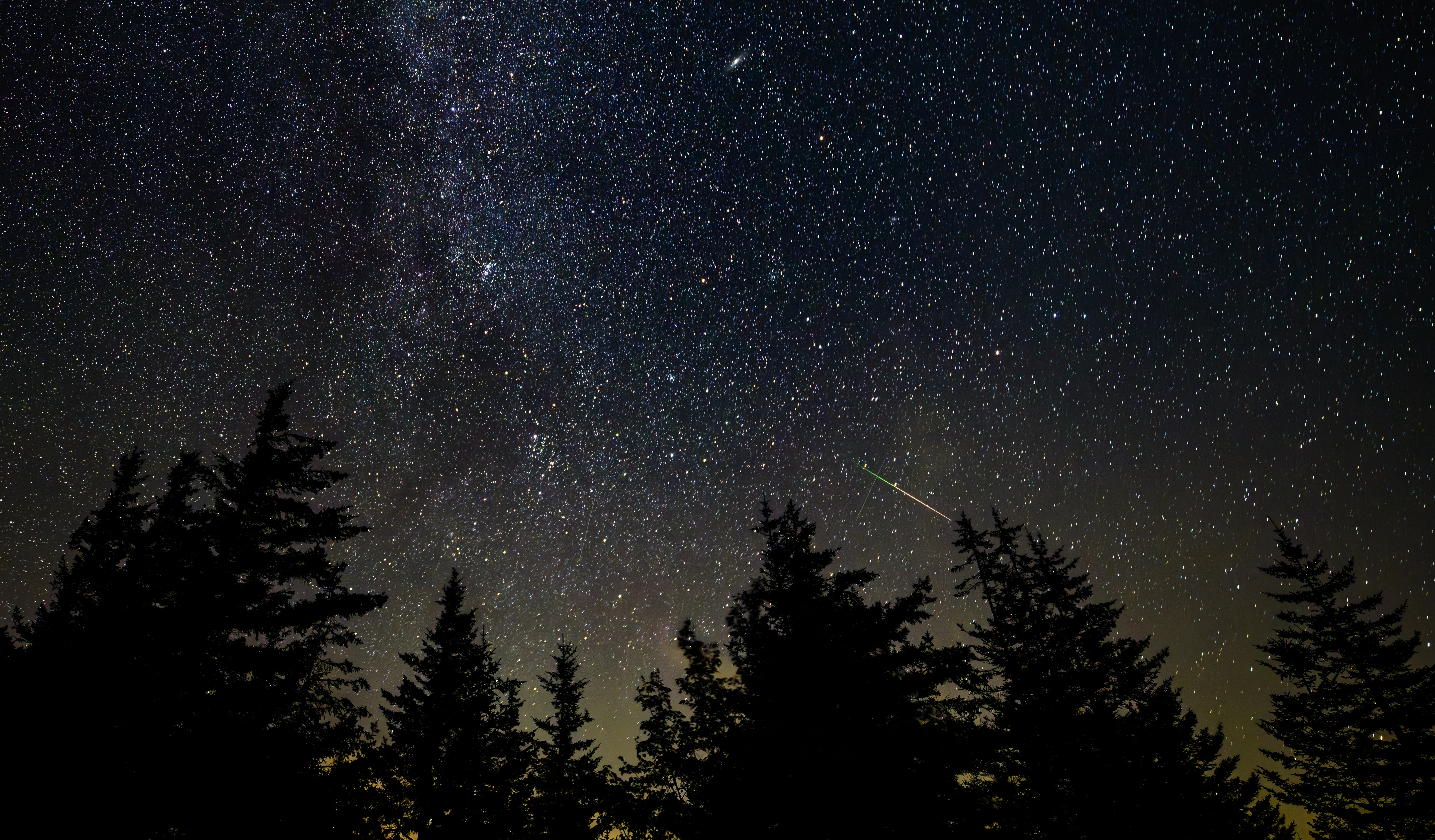
A Lyrid meteor streaks across a dark starfield in this 2022 photograph
Celestial event

The 2026 Lyrids are done. The Eta Aquariids are next, and the moon is going to fight you

The Lyrids peaked around 19:40 UT on April 22 — essentially yesterday evening for anyone in Europe. Conditions were as good as this shower gets: a new moon on April 17 meant only a thin crescent in the sky, and it set before 10 pm local, leaving the prime post-midnight hours properly dark. Under a clean dark site the International Meteor Organization expected 18–20 meteors per hour at the peak. From a light-polluted backyard, Space.com put realistic rates closer to 8–12/hour. ...

April 23, 2026 · 7 min · Andreas Ioannou