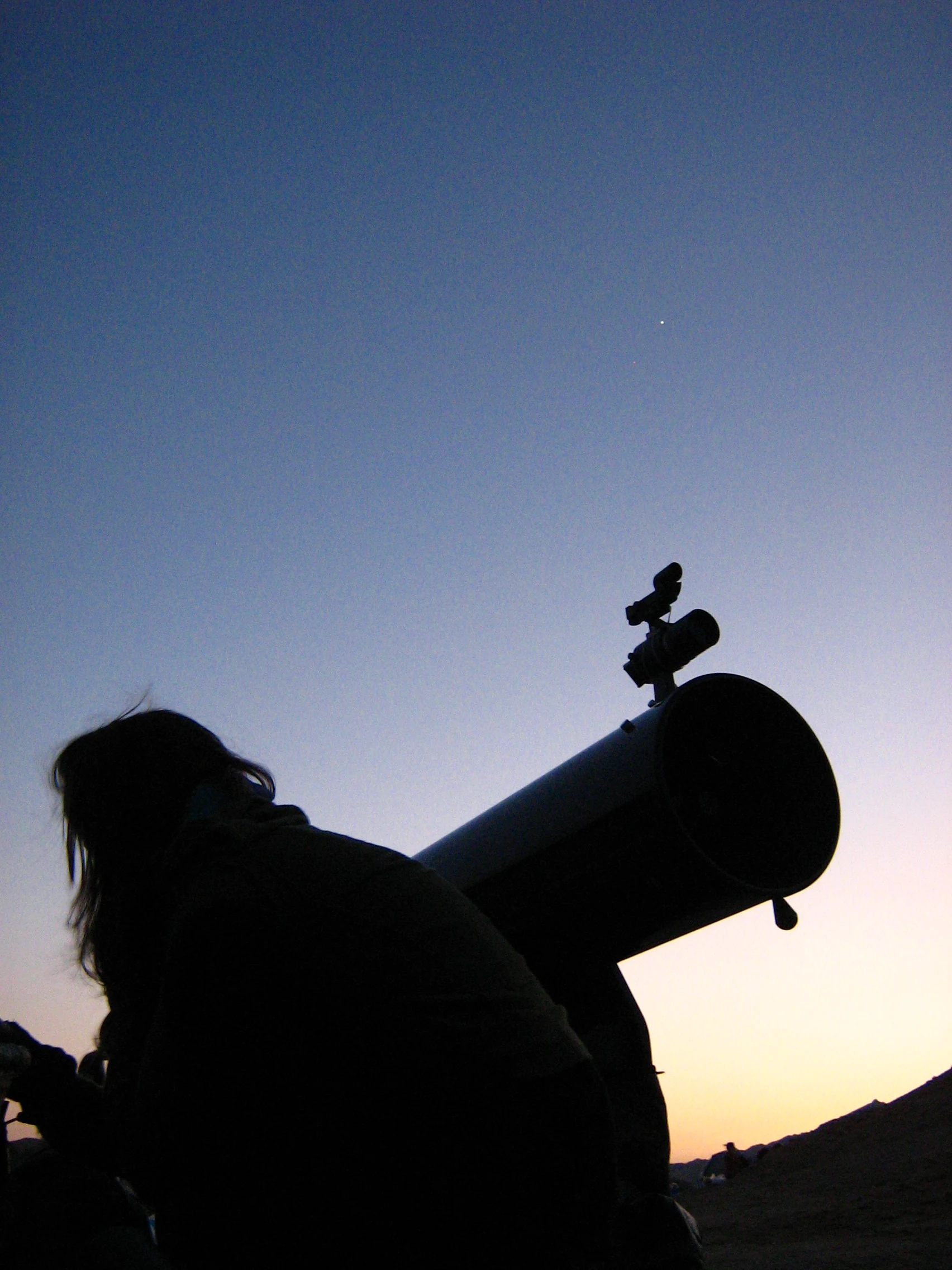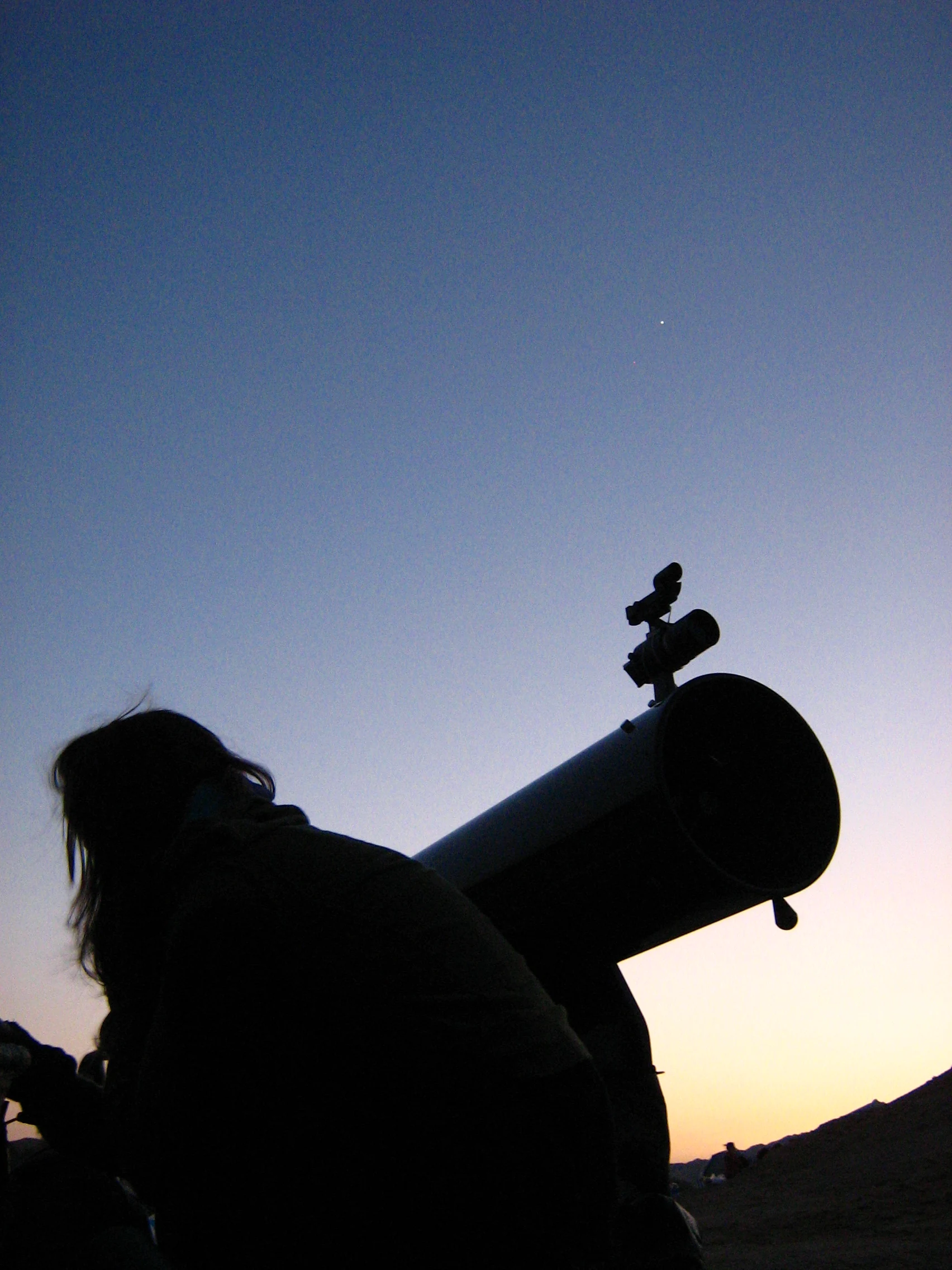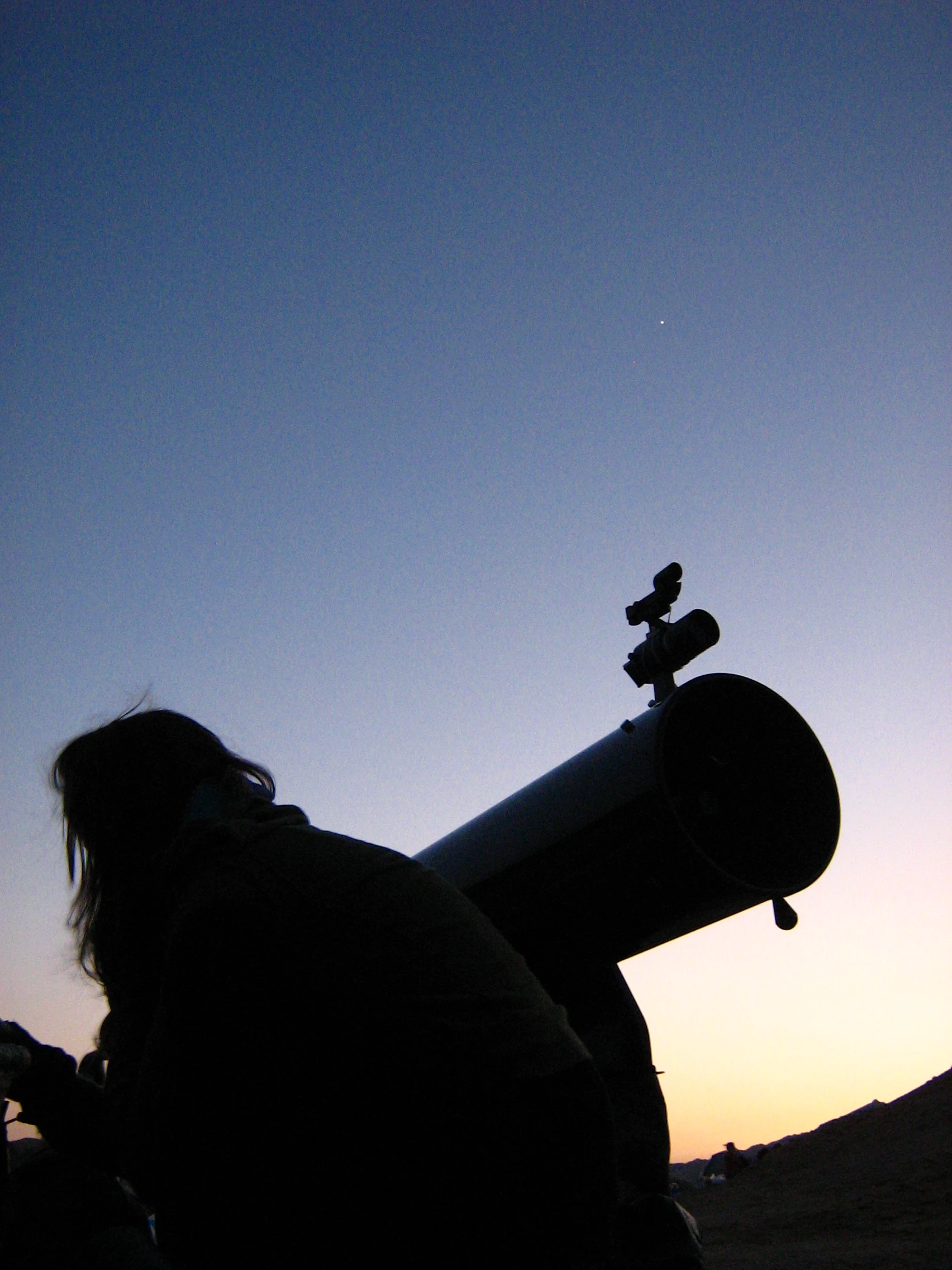
An amateur astronomer stands beside a large Dobsonian telescope at dusk in the Negev desert, ready for a night of observing.
Gear

Your first two eyepieces: what focal length and exit pupil actually mean

The two most useful eyepieces you can own probably aren’t the two that came in the box, and choosing them takes two numbers, not brand loyalty. Your telescope most likely arrived with a 25mm and a 10mm eyepiece. This piece is about what those millimetres actually do, why the 10mm is so uncomfortable to look through, and which two eyepieces to add first so you cover the sky from wide star fields to the cloud belts on Jupiter. No “best eyepiece” ranking. Just the arithmetic, worked on the scopes beginners actually buy. ...

July 14, 2026 · 9 min · Andreas Ioannou
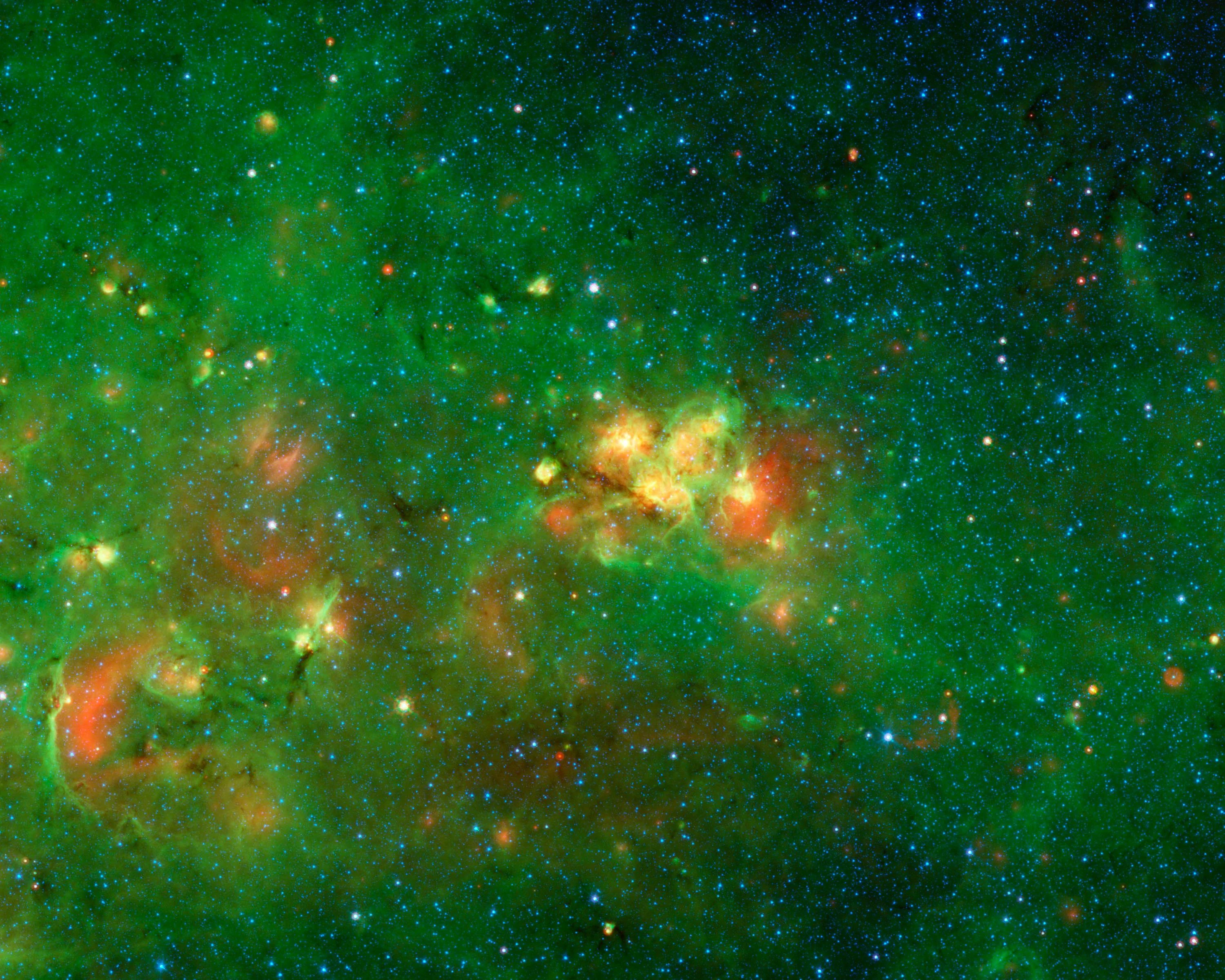
Infrared image of a nebula in the constellation Scutum captured by NASA Spitzer Space Telescope
Gear

Imaging at 35°C: when a cooled astrophotography camera is worth the money

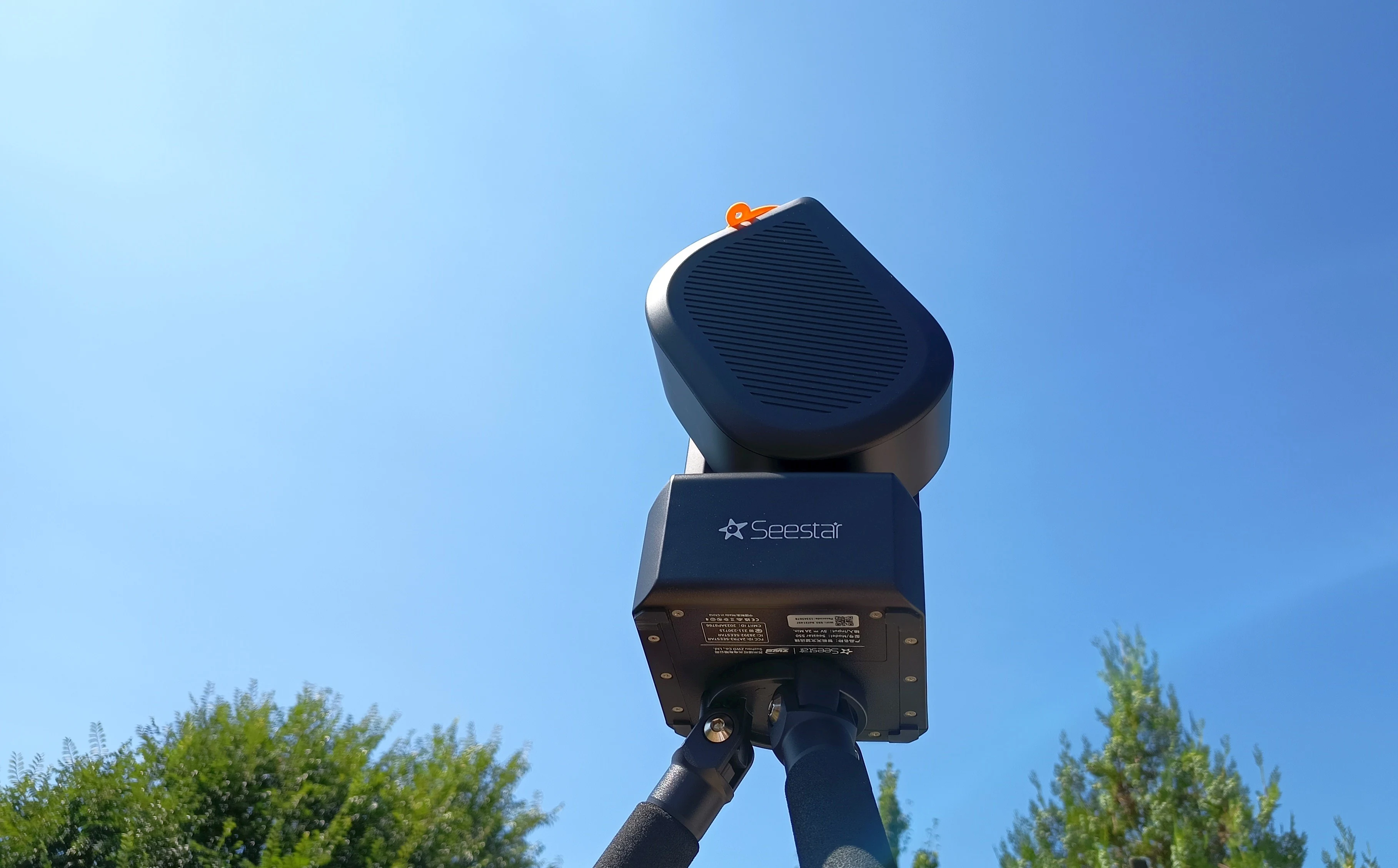
On a June night in Nicosia, ambient 30°C at 11 pm with no breeze, I ran a 40-minute stack on the eastern Veil Nebula with the Seestar S50. The final image looked passable at full zoom-out. At 100% crop the background was peppered with hot pixels, and the faintest filaments had disappeared into a warm, grainy haze that no processing could salvage. The same target in March, with nighttime temps around 14°C, had noticeably more contrast in those faint regions. Same scope. Same integration time. Same processing. The only variable was temperature. ...

June 30, 2026 · 7 min · Andreas Ioannou
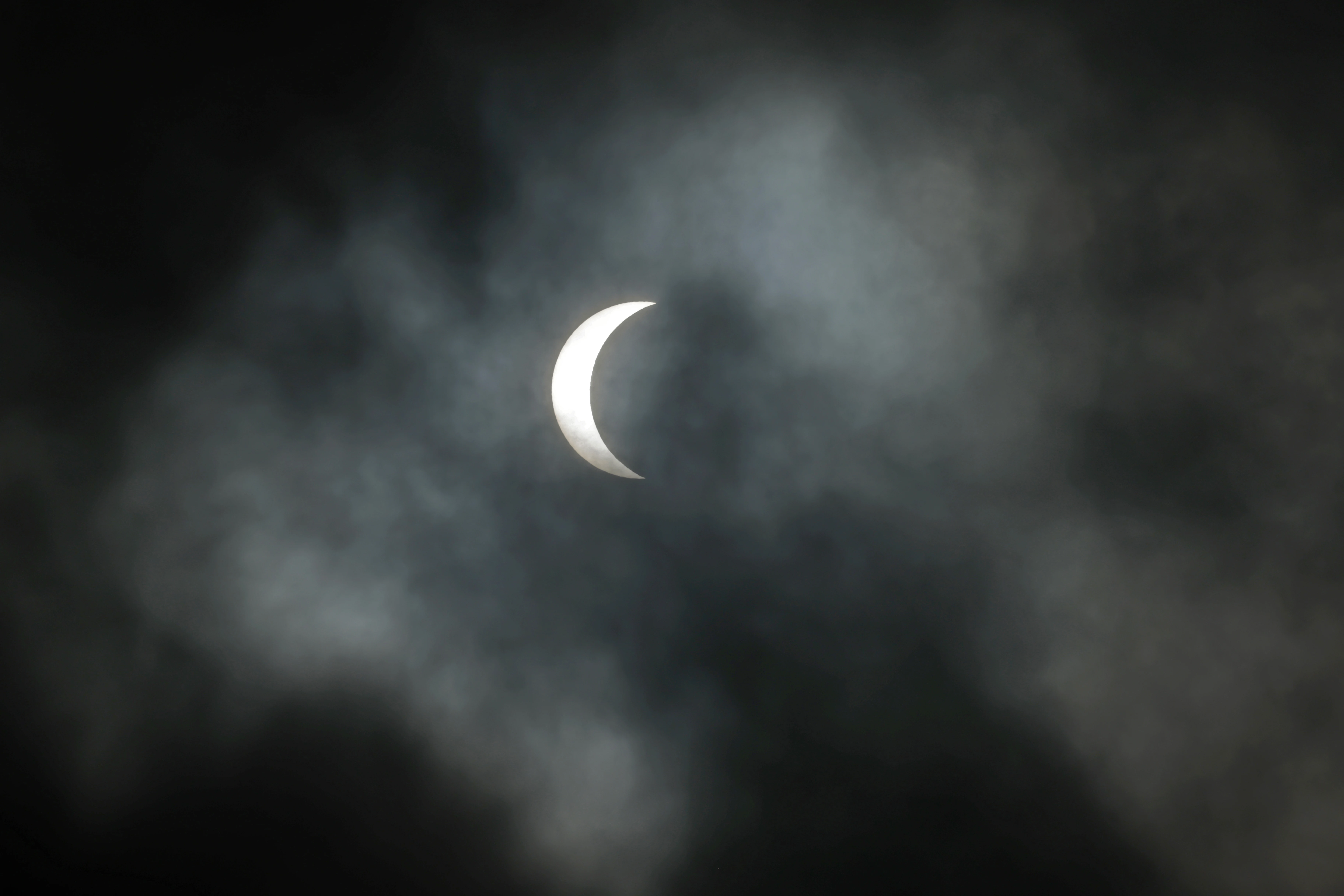
Partial Solar Eclipse in New Orleans
Gear

What solar filter to buy for the August 12 eclipse

The August 12 total solar eclipse is 55 days out. If you’re planning to photograph it, point a telescope at it, or just watch the partial phases safely, you need a solar filter. Prices are still normal and stock is still available. By late July neither will be true. Here’s what the numbers on the label mean, which filters are worth the money, and what I’m packing for Spain. The one number on every solar filter: optical density Every solar filter blocks a fraction of the Sun’s light. The spec you care about is optical density (OD), a logarithmic scale. OD 5 means only 10^-5 of the incoming light gets through — one hundred-thousandth. OD 4 passes ten times more. That factor of ten is the line between safe for your eyes and not. ...

June 18, 2026 · 7 min · Andreas Ioannou
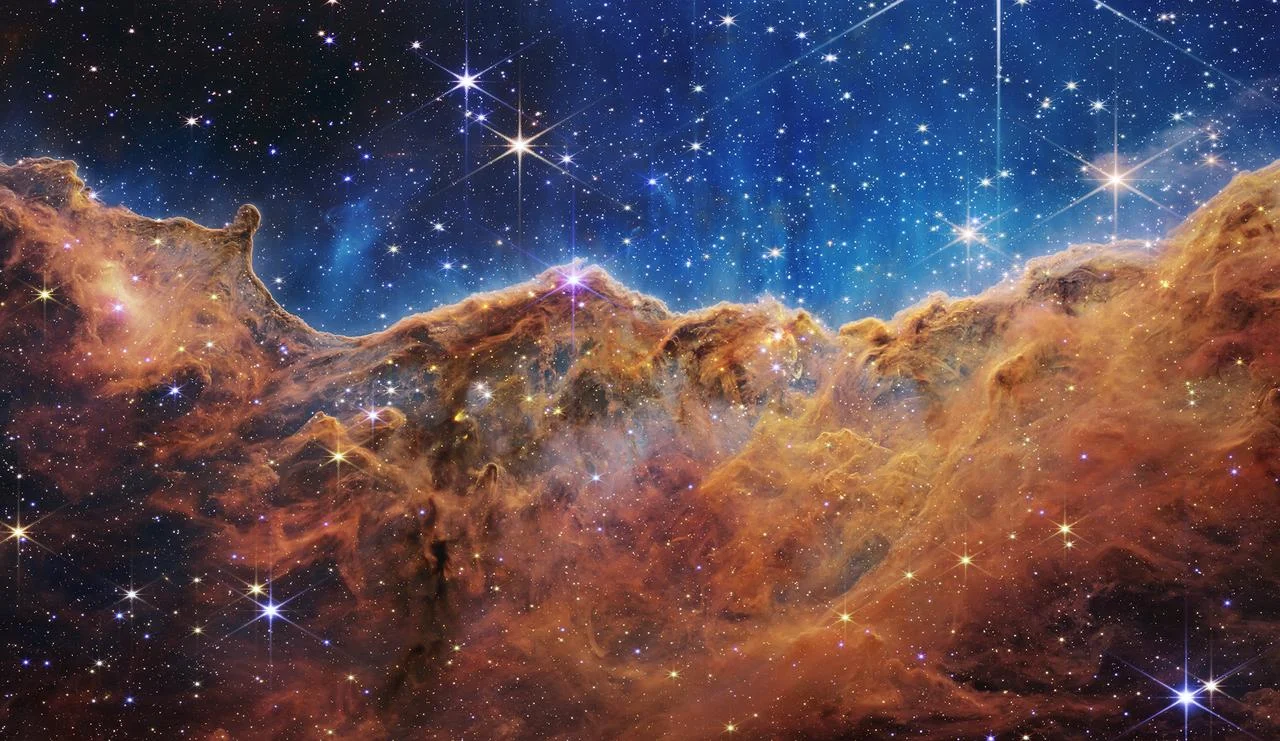
JWST near-infrared image of the Cosmic Cliffs in the Carina Nebula, showing towering pillars of gas and dust backlit by young stars
Gear

Light pollution filters from a Bortle 7 balcony: what actually helps and what doesn't

I shoot from a fourth-floor balcony in Nicosia. Bortle 7 on a clear night, Bortle 8 when the football pitch lights are on. Every spring, someone in the astrophotography forums asks: “Which filter should I buy for light-polluted skies?” The answers range from “get an L-Pro” to “move to the countryside.” Neither is particularly useful if you’re standing on a balcony with a one-shot colour camera and two hours before the neighbour’s security light comes on. ...

June 6, 2026 · 8 min · Andreas Ioannou
Milky Way Untangled
Gear

How to choose a star tracker for Milky Way season

The Milky Way core is above the horizon from the northern hemisphere between roughly May and September. From my latitude in Nicosia (35°N), the galactic center tops out at about 26° above the southern horizon. Low enough that Troodos at 1,700 m is worth the midnight drive, but high enough to image from anywhere with a clear southern view. If you own a camera and a lens wider than 50 mm, a star tracker is the cheapest single upgrade that turns a noisy 15-second snapshot into a clean, deep wide-field frame. I’ve spent the past few months researching them before committing to one. Here’s what the specs mean and which three models are worth comparing. ...

May 26, 2026 · 7 min · Andreas Ioannou
Hubble image of globular cluster IC 4499 — thousands of resolved stars against deep space
Gear

The Seestar S50, six months in: what I'd tell a friend before they buy one

The ZWO Seestar S50 sat on my balcony railing in Nicosia for 47 sessions between November 2025 and April 2026. I pointed it at globulars, planetaries, galaxies, the Moon, and — twice — Jupiter. After six months I know exactly who should buy one and, more usefully, who should save the money for something else. The setup that kept me coming back The S50 weighs 1.5 kg. I carry it out with one hand, set it on the railing, open the app, and I’m imaging within three minutes. No polar alignment, no balance weights, no multi-star alignment routine. The internal plate solver — the same astrometry.net algorithm I wrote about last month — handles pointing. Tap an object, the telescope slews, stacking begins. ...

May 10, 2026 · 7 min · Andreas Ioannou
Orion over Mount Teide
Gear

Binoculars or a first telescope? What I actually tell beginners in 2026

If you have €120–€180 and you’ve never owned an astronomy instrument, buy a pair of 10×50 binoculars. Don’t buy a telescope. I’ve watched too many friends spend €200 on a wobbly 70mm department-store refractor, see Saturn as a tiny pixel-blur once, and shelve the thing for good. There’s exactly one case where that advice flips, and I’ll get to it. But the default answer, for the person walking into this hobby with no gear and no specific target in mind, is binoculars. ...

May 5, 2026 · 9 min · Andreas Ioannou