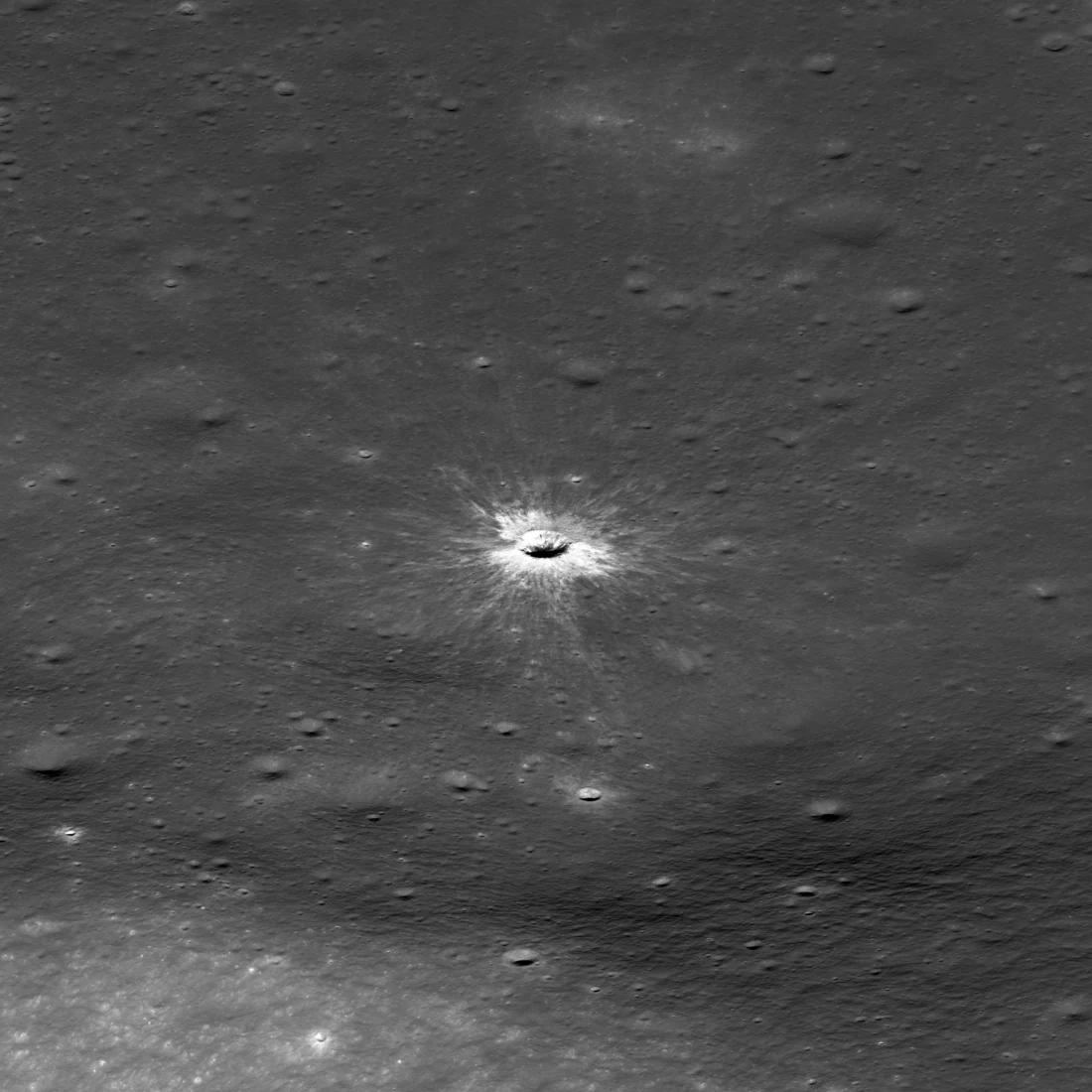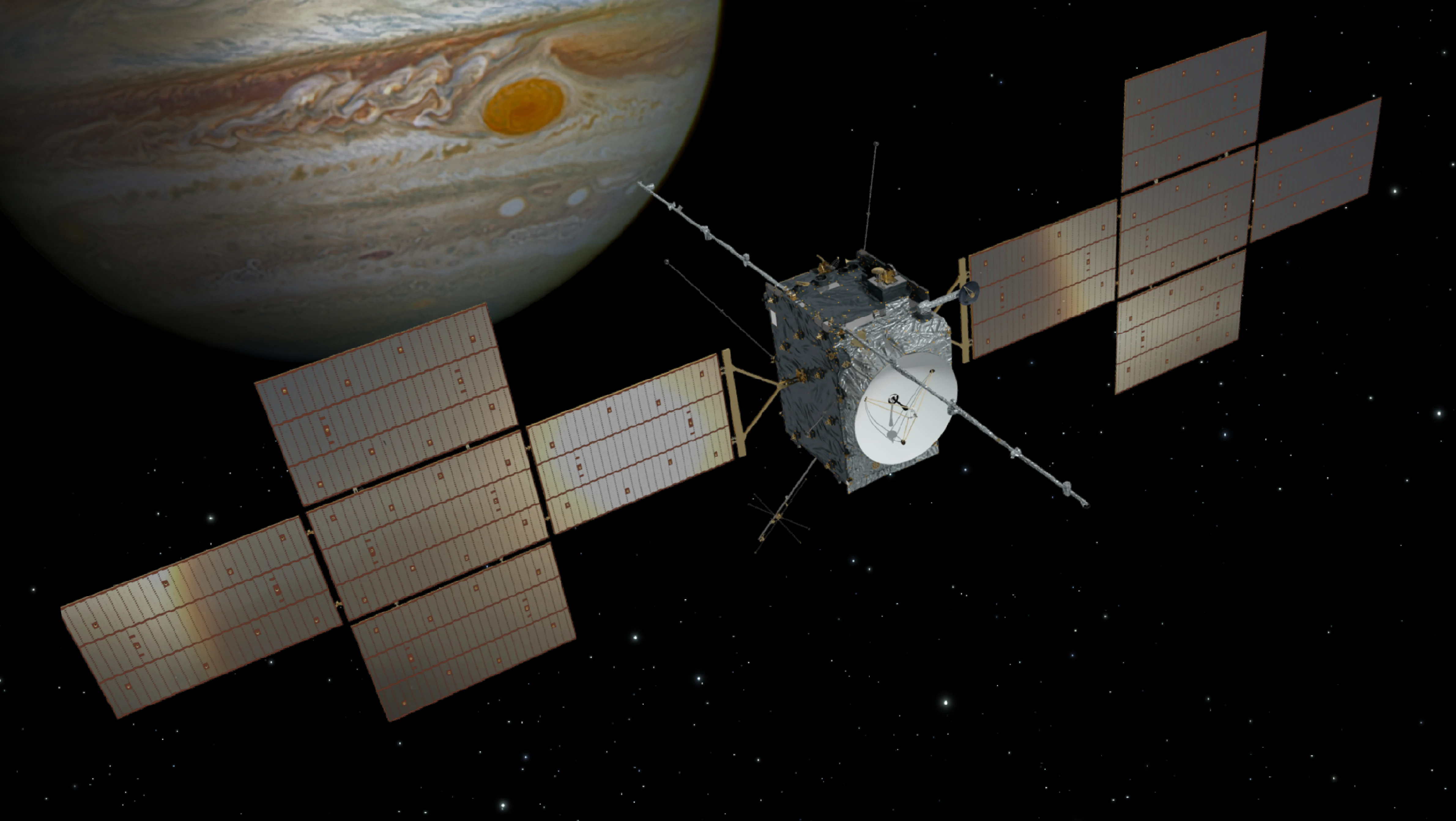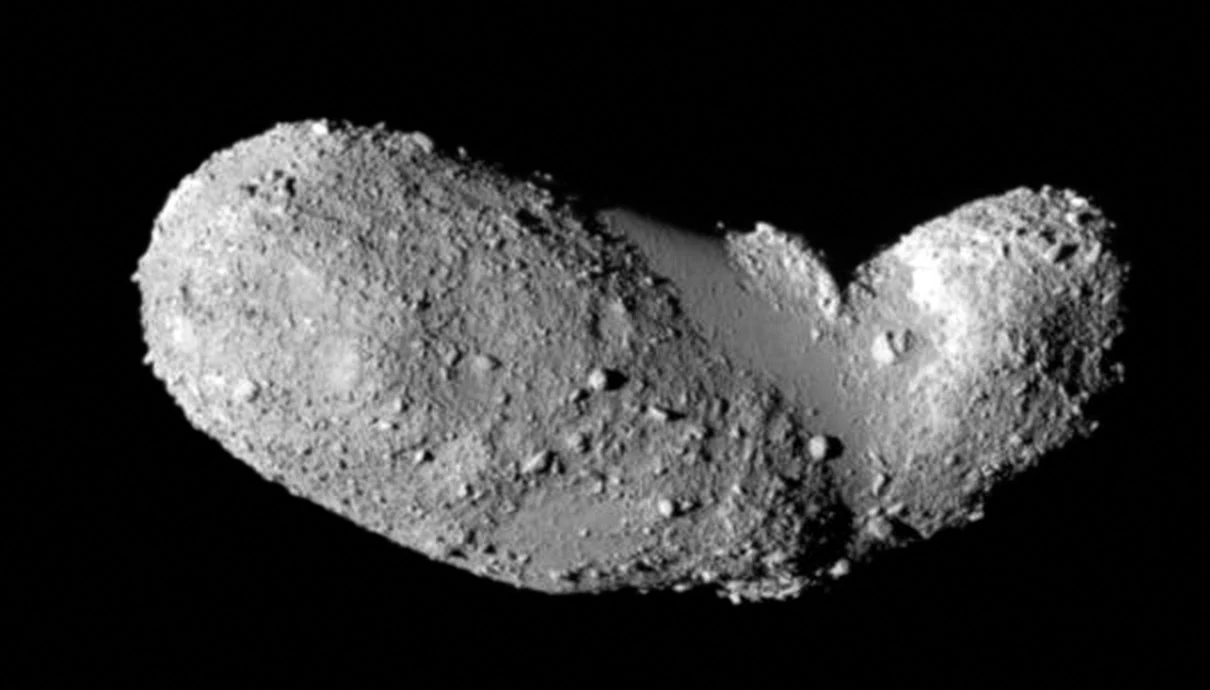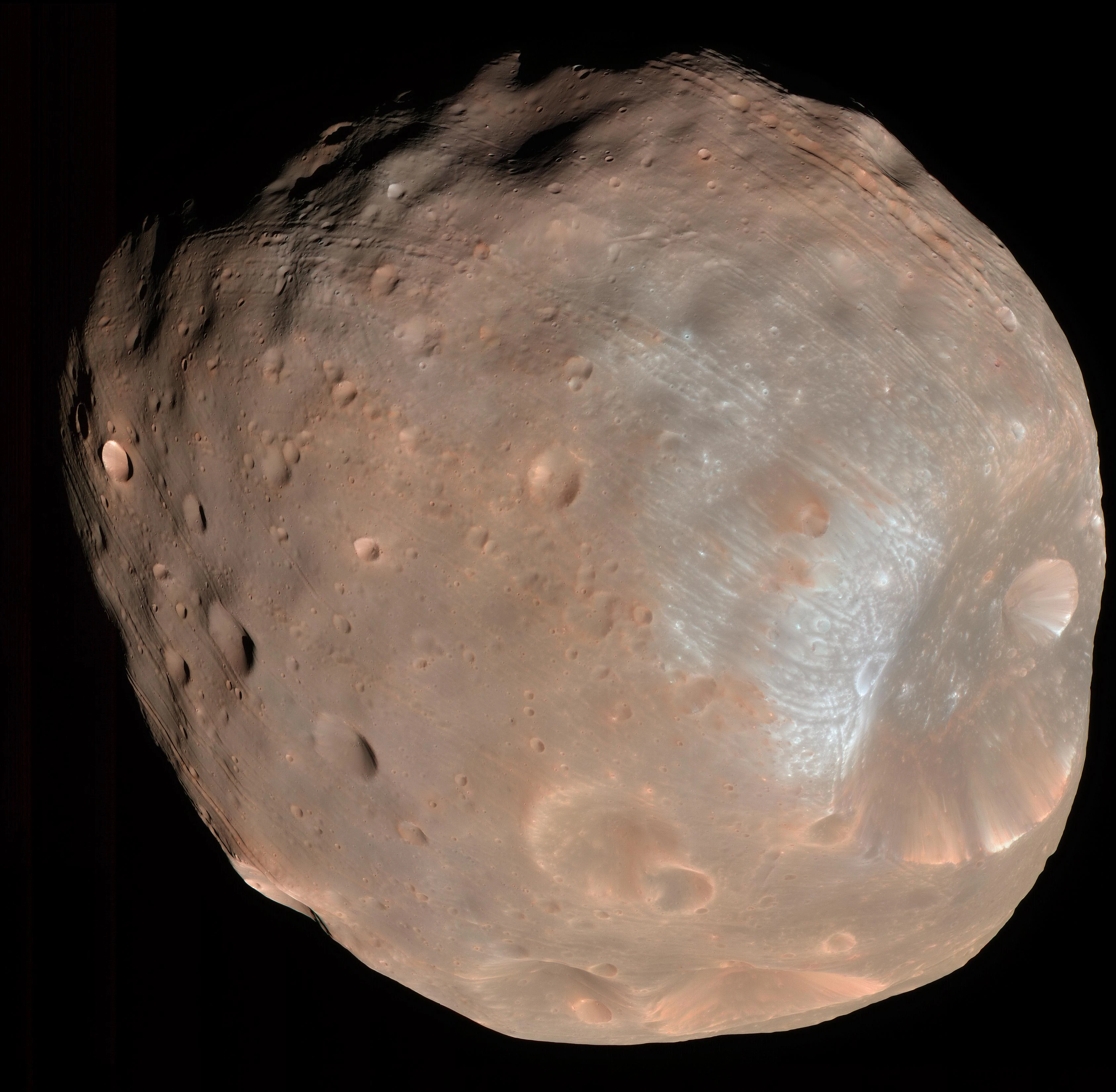
The peanut-shaped rubble-pile asteroid Itokawa, a small S-type near-Earth asteroid imaged up close by Japan's Hayabusa spacecraft — shown here as a stand-in, since no freely licensed close-up of Kamoʻoalewa exists yet.
Space news

Tianwen-2 reached Kamoʻoalewa, Earth's quasi-moon — and the lunar-origin case is wobbling

A Chinese spacecraft is now station-keeping about 20 km from a rock the size of an office block that has been shadowing Earth for at least a century. On July 6, the China National Space Administration released the first close-up image of asteroid 469219 Kamoʻoalewa, confirming that Tianwen-2 had caught its target after a 13-month, roughly one-billion-kilometre chase. The image showed a small, elongated body, the shape you get from a loose pile of rubble rather than a solid boulder. ...

July 21, 2026 · 7 min · Andreas Ioannou
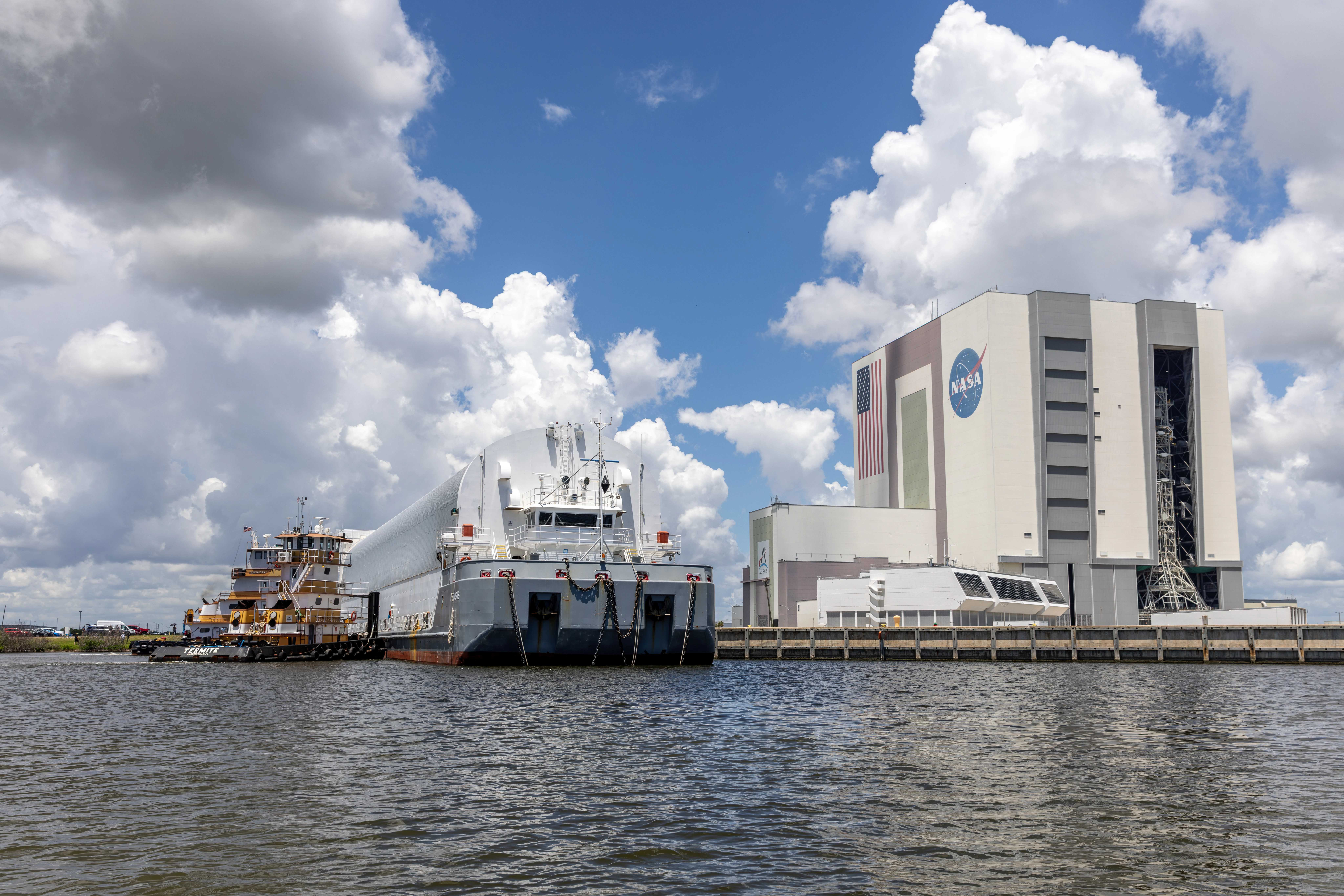
NASA's Pegasus barge, carrying the Roman Space Telescope in a white shipping container, moored at the Launch Complex 39 turn basin with the Vehicle Assembly Building behind it
Space news

The Roman Space Telescope launches August 30 — a survey machine, not a telescope you point

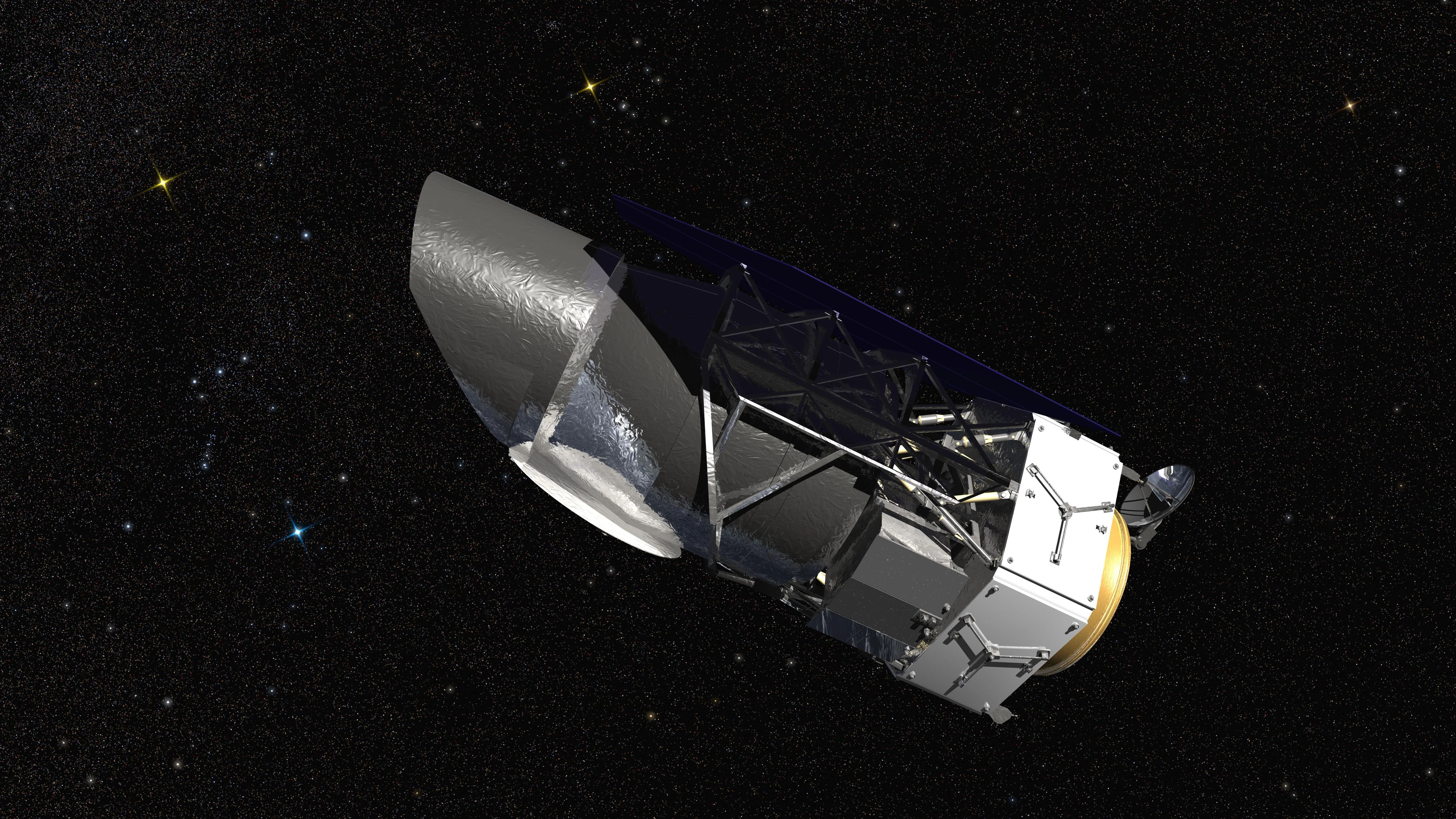
NASA’s Nancy Grace Roman Space Telescope reached Kennedy Space Center on June 21, arriving by barge at the Launch Complex 39 turn basin, the same channel that once floated Saturn V and Shuttle hardware to the pad. It’s now in the Payload Hazardous Servicing Facility being prepped for a Falcon Heavy launch no earlier than August 30, roughly eight months ahead of its original schedule. That last detail is rare enough for a flagship NASA mission to deserve its own headline. ...

July 9, 2026 · 7 min · Andreas Ioannou
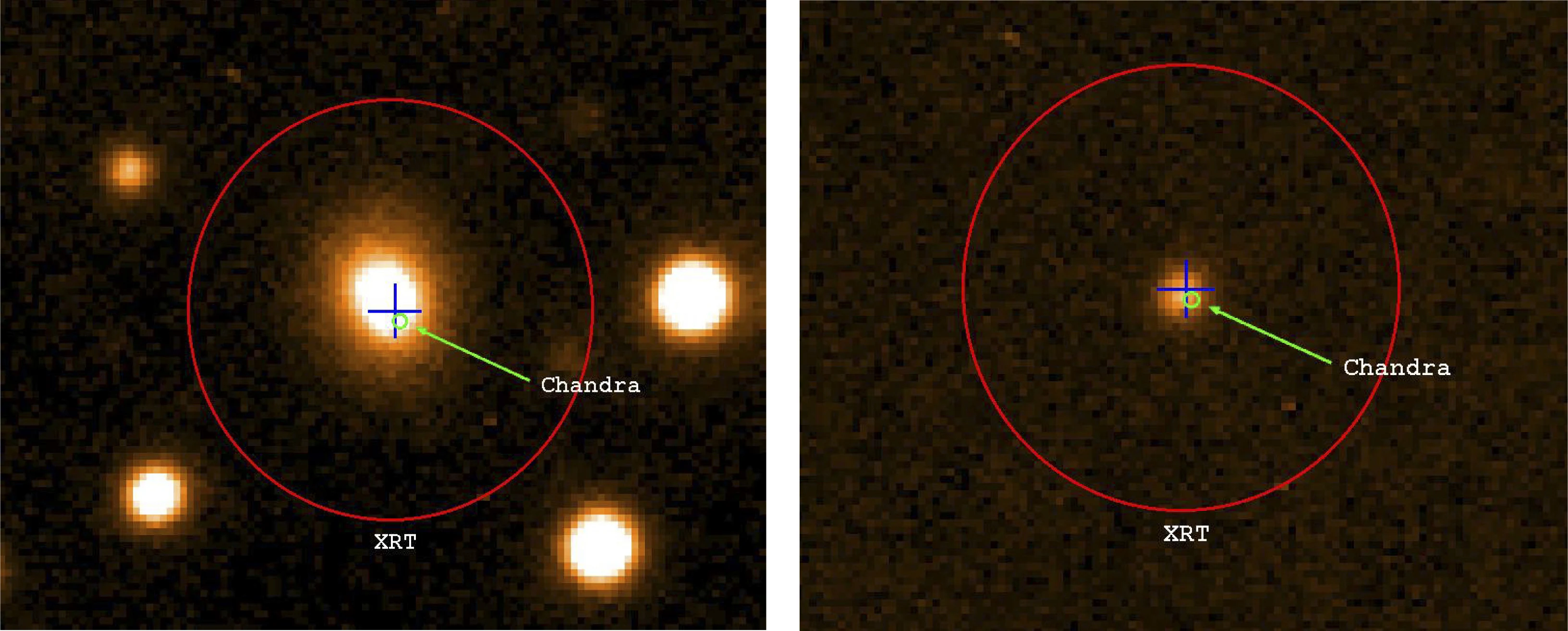
Gamma-ray burst GRB 050724 (eso0541a)
Space news

NASA's Swift telescope is falling out of orbit. A startup had nine months to save it.

The Neil Gehrels Swift Observatory has spent nearly 22 years detecting gamma-ray bursts, X-ray transients, and ultraviolet afterglows from low Earth orbit. It’s one of the most productive space telescopes ever launched — over 1,600 gamma-ray bursts catalogued, thousands of follow-up observations forwarded to ground-based telescopes within seconds. And it’s falling. No later than Tuesday, a refrigerator-sized spacecraft built by a startup in nine months will ride the last Pegasus XL rocket ever launched in an attempt to grab Swift, lock onto its structure with three robotic arms, and push it back up. If it works, it’ll be the first time anyone has docked with a satellite that was never designed for servicing. ...

June 27, 2026 · 6 min · Andreas Ioannou
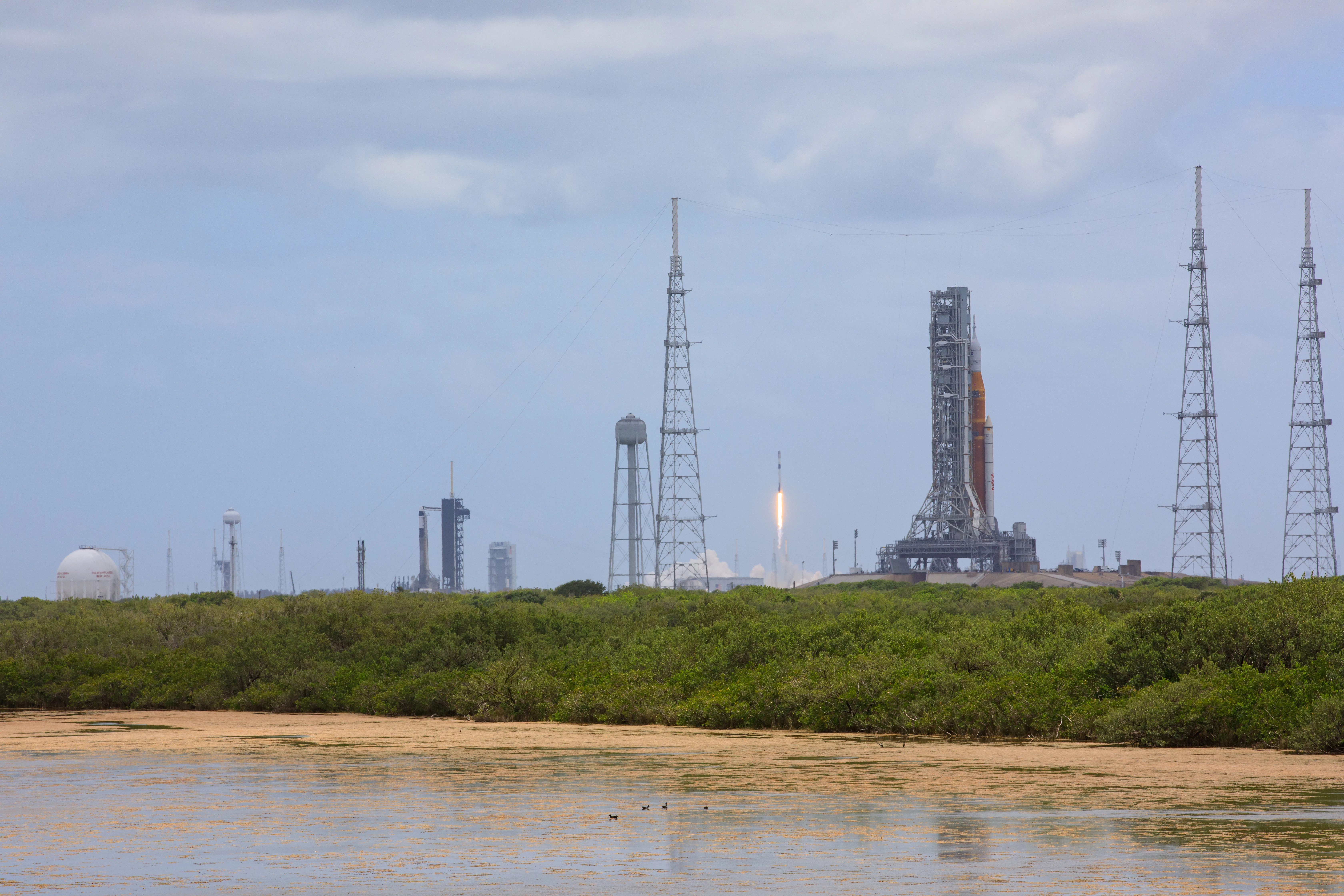
Artemis I, Crew-4, & Starlink Rockets on the Pad
Space news

SpaceX went public at $1.77 trillion — what that means for the night sky

On June 12, SpaceX raised $75 billion in the largest initial public offering in history. The company listed on the Nasdaq at $135 per share, valuing the business at approximately $1.77 trillion — putting it among the ten most valuable public companies on Earth. Within hours of the listing, a Falcon 9 carrying 29 Starlink satellites lifted off from Cape Canaveral. The symbolism wasn’t accidental. The reason SpaceX commands that valuation isn’t Starship, and it isn’t the Artemis HLS contract. It’s 10,400 satellites already in orbit, beaming internet to paying subscribers in 75+ countries. Starlink generates an estimated 58% of SpaceX’s total revenue. When public investors bought SpaceX stock this week, they bought a satellite internet company that also happens to build rockets. ...

June 14, 2026 · 6 min · Andreas Ioannou
NASA Administrator Jared Isaacman views Blue Origin's Blue Moon Mark 1 lunar lander Endurance at the company's facility in Florida
Space news

NASA named it Moon Base, and the first lander launches this fall

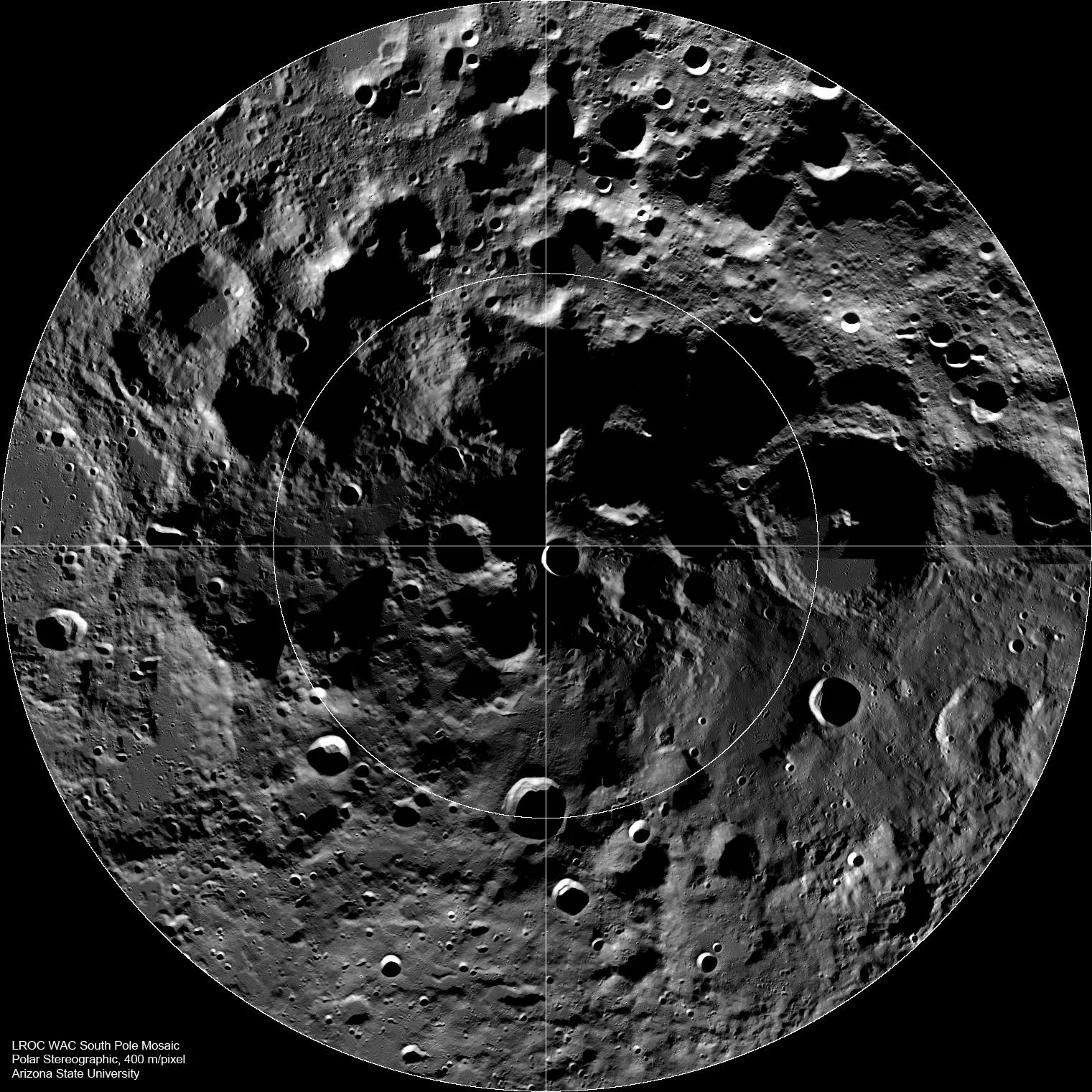
On May 26, NASA Administrator Jared Isaacman stood at agency headquarters in Washington and gave the lunar program something it hasn’t had before: a name with “base” in it. The program is called Moon Base. Three uncrewed landers are targeting the lunar south pole before the end of 2026. Behind them, $440 million in contracts for two crewed rovers. Behind that, a phased timeline stretching into the 2030s for power grids, hopping drones, and eventually semi-permanent crew presence. ...

May 31, 2026 · 6 min · Andreas Ioannou
STS-47 view of the Aurora Australis
Space news

SMILE is in orbit: what happens between now and the first X-ray image of Earth's magnetosphere

At 03:52 UTC this morning, a Vega-C rocket lifted off from Kourou carrying SMILE — the Solar wind Magnetosphere Ionosphere Link Explorer — into a 707 km circular parking orbit. ESA’s New Norcia ground station in Western Australia picked up the spacecraft’s first signal at 04:48 UTC. Solar panels deployed one minute later. The first mission designed to X-ray Earth’s entire magnetosphere in real time is alive and drawing power. I covered the science in detail two weeks ago, before the launch window opened. Now that the spacecraft is actually flying, here’s what happens between today and the first X-ray image of Earth’s magnetic shield — and when the data starts mattering for aurora forecasts. ...

May 19, 2026 · 6 min · Andreas Ioannou
Coronal Hole Facing Earth
Space news

ESA's SMILE launches May 19: the first spacecraft to X-ray Earth's magnetic shield

In twelve days, a Vega-C rocket lifts off from Kourou carrying the first spacecraft designed to image Earth’s entire magnetosphere in soft X-rays while simultaneously filming the aurora in ultraviolet. ESA and the Chinese Academy of Sciences’ SMILE mission (Solar wind Magnetosphere Ionosphere Link Explorer) will watch, in real time, how Earth’s magnetic shield deforms under solar wind pressure and trace that energy all the way down to the auroral oval. ...

May 7, 2026 · 7 min · Andreas Ioannou