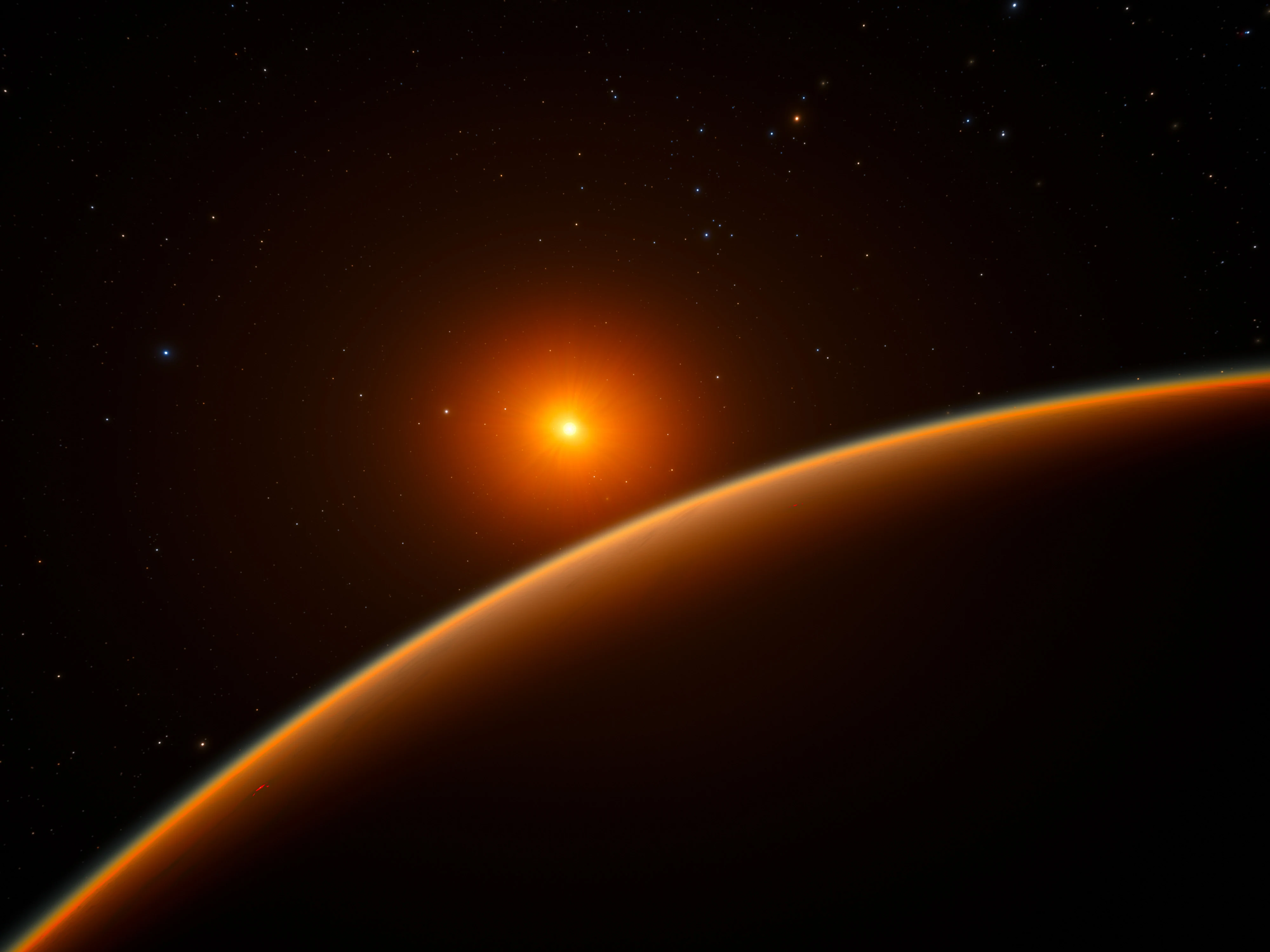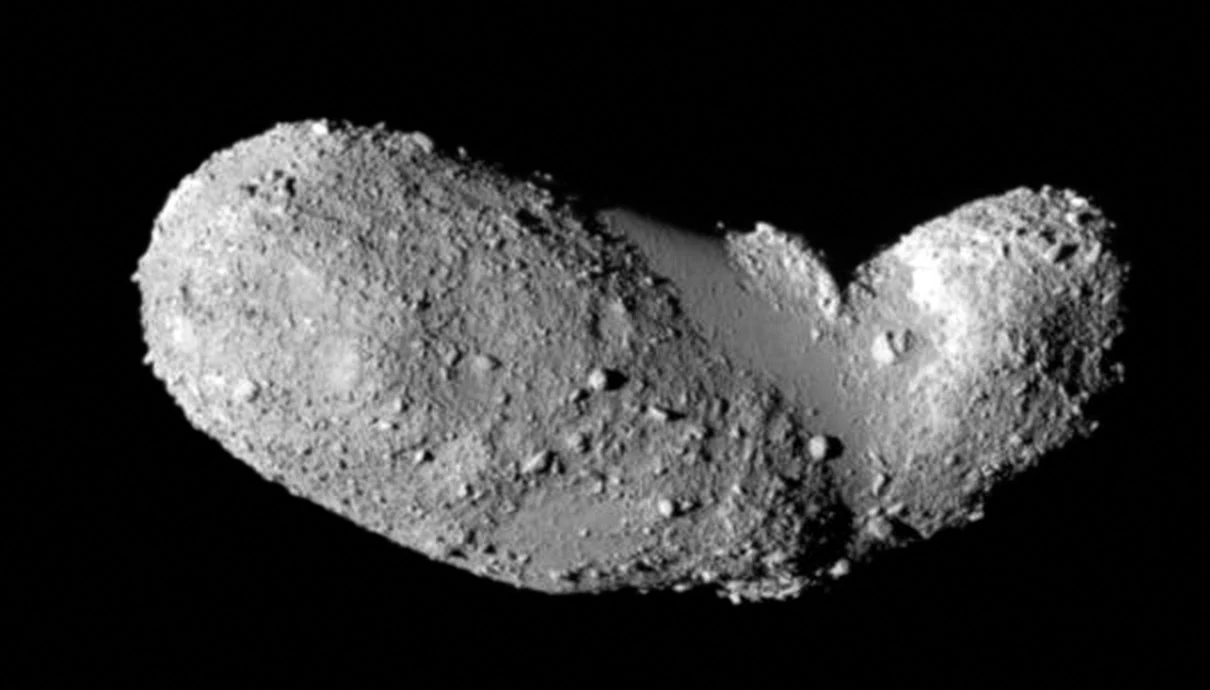
AI-generated illustration — a star field with translucent rings around several stars representing exoplanet transit signals
AI × astronomy

RAVEN found 118 planets in NASA's TESS data — here's how the algorithm works

A team at the University of Warwick pointed a machine-learning pipeline at four years of NASA TESS full-frame images — 2.2 million stars — and pulled out 118 validated planets, roughly 1,000 new candidates, and the first direct measurement of how scarce Neptune-sized worlds are in tight orbits. The pipeline is called RAVEN (RAnking and Validation of ExoplaNets), and the paper landed in MNRAS this spring. I spend most of my telescope time on deep-sky imaging from my balcony in Nicosia, but I follow the exoplanet pipeline papers closely because they sit exactly at the intersection I care about: where does the ML end and the astrophysics begin? RAVEN is a clean case study. ...

May 12, 2026 · 7 min · Andreas Ioannou
Hubble image of globular cluster IC 4499 — thousands of resolved stars against deep space
Gear

The Seestar S50, six months in: what I'd tell a friend before they buy one

The ZWO Seestar S50 sat on my balcony railing in Nicosia for 47 sessions between November 2025 and April 2026. I pointed it at globulars, planetaries, galaxies, the Moon, and — twice — Jupiter. After six months I know exactly who should buy one and, more usefully, who should save the money for something else. The setup that kept me coming back The S50 weighs 1.5 kg. I carry it out with one hand, set it on the railing, open the app, and I’m imaging within three minutes. No polar alignment, no balance weights, no multi-star alignment routine. The internal plate solver — the same astrometry.net algorithm I wrote about last month — handles pointing. Tap an object, the telescope slews, stacking begins. ...

May 10, 2026 · 7 min · Andreas Ioannou
Coronal Hole Facing Earth
Space news

ESA's SMILE launches May 19: the first spacecraft to X-ray Earth's magnetic shield

In twelve days, a Vega-C rocket lifts off from Kourou carrying the first spacecraft designed to image Earth’s entire magnetosphere in soft X-rays while simultaneously filming the aurora in ultraviolet. ESA and the Chinese Academy of Sciences’ SMILE mission (Solar wind Magnetosphere Ionosphere Link Explorer) will watch, in real time, how Earth’s magnetic shield deforms under solar wind pressure and trace that energy all the way down to the auroral oval. ...

May 7, 2026 · 7 min · Andreas Ioannou
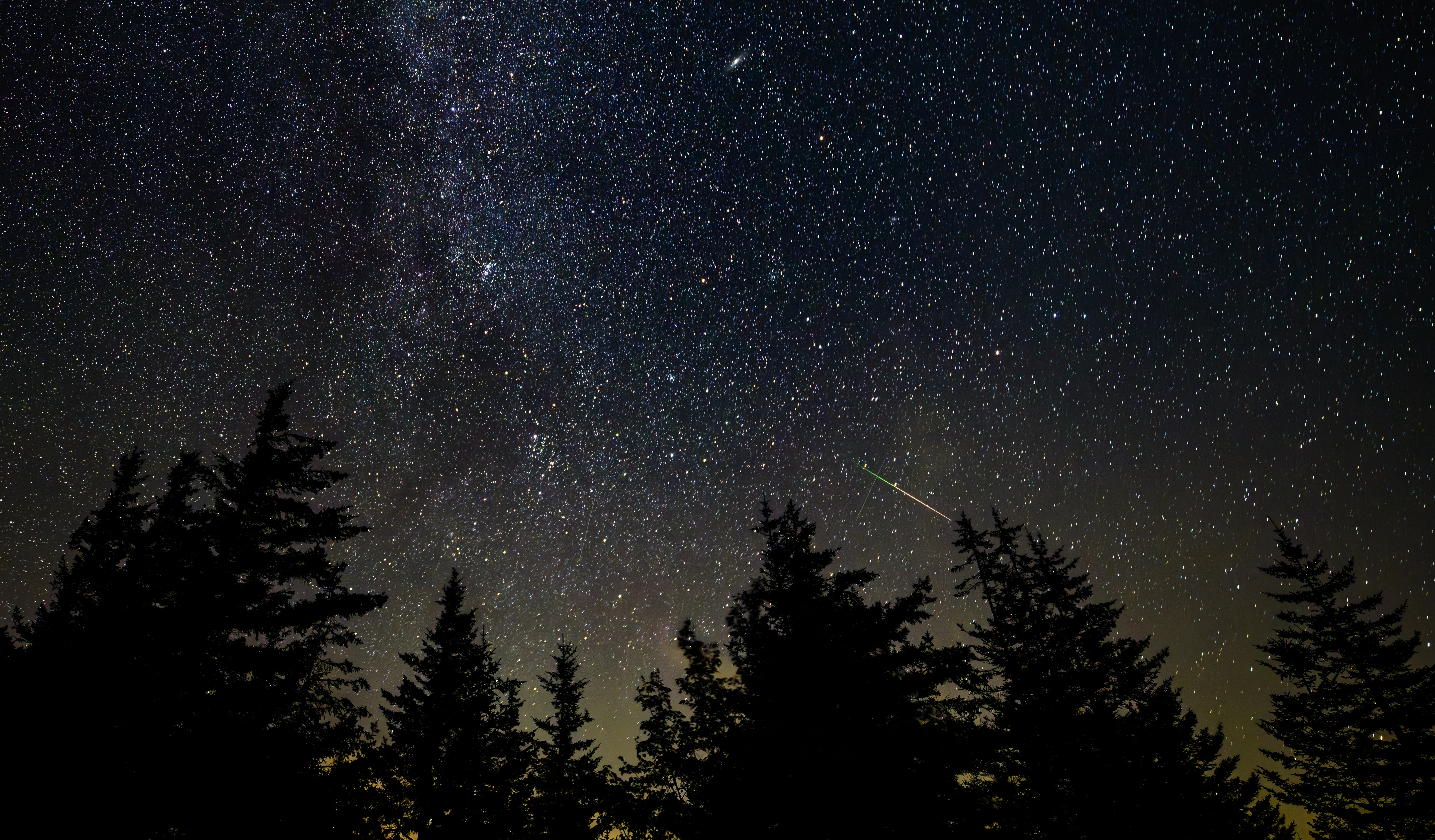
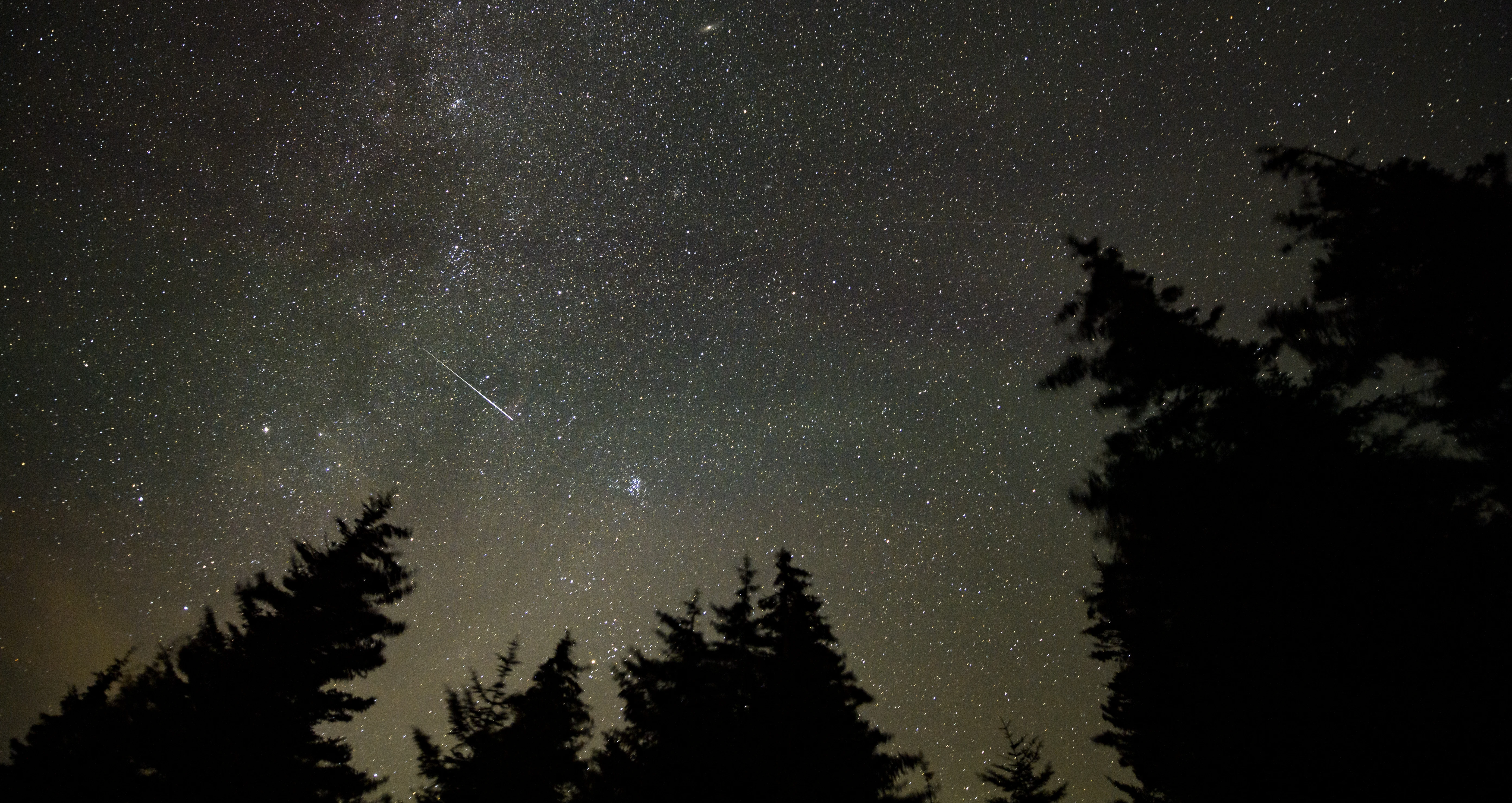
A bright meteor streaks across the Milky Way during the Perseid meteor shower, photographed in a 30-second exposure from Spruce Knob, West Virginia
Celestial event

Eta Aquariids 2026: what to expect from tonight's peak with an 84% moon

The Eta Aquariids peaked at 03:51 UTC on May 5, but this shower has a broad maximum — activity tonight and tomorrow morning (May 6–7) will be nearly as strong as peak night. The problem isn’t timing. It’s the moon: an 84%-illuminated waning gibbous will sit above the horizon during the entire pre-dawn window when the radiant is highest. That cuts your visible count roughly in half compared to a moonless year. ...

May 6, 2026 · 6 min · Andreas Ioannou
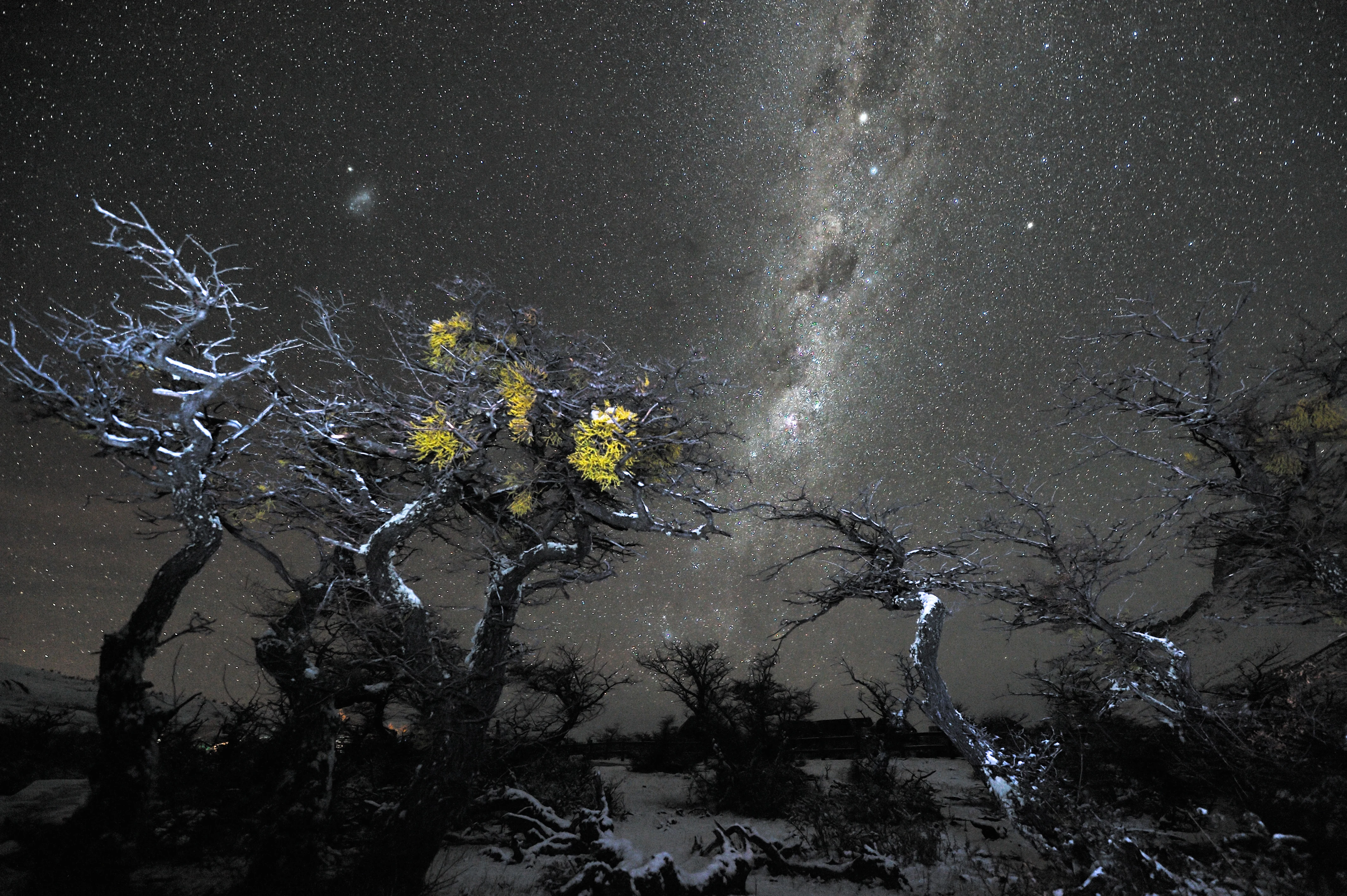
Orion over Mount Teide
Gear

Binoculars or a first telescope? What I actually tell beginners in 2026

If you have €120–€180 and you’ve never owned an astronomy instrument, buy a pair of 10×50 binoculars. Don’t buy a telescope. I’ve watched too many friends spend €200 on a wobbly 70mm department-store refractor, see Saturn as a tiny pixel-blur once, and shelve the thing for good. There’s exactly one case where that advice flips, and I’ll get to it. But the default answer, for the person walking into this hobby with no gear and no specific target in mind, is binoculars. ...

May 5, 2026 · 9 min · Andreas Ioannou
The Cepheid variable star RS Puppis at the centre of a thick reflection nebula, photographed by Hubble
Space science

The cosmic distance ladder: how astronomers measure distances from the Moon to the edge of the universe

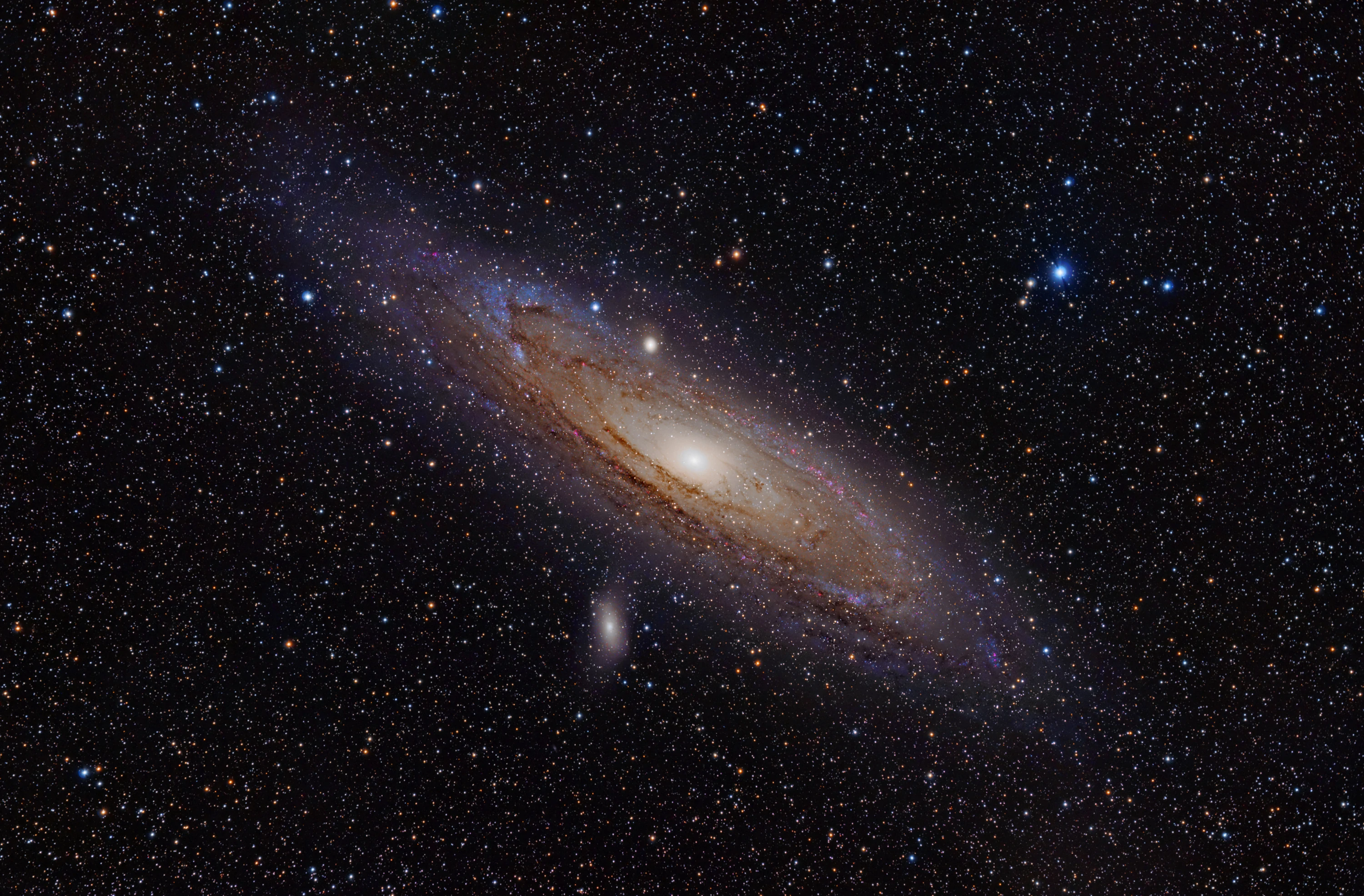
When I tell people the Andromeda galaxy is 2.5 million light-years away, the next question is almost always: how do you know? It’s a fair question. We’ve never sent anything past the outer edge of the Kuiper belt. The fastest probe humanity has ever launched would still take roughly 70,000 years to reach the nearest star. So how does anyone get from “I’m staring at a smudge above the rooftops of Nicosia” to “that smudge is around 24 quintillion kilometres away”? ...

May 3, 2026 · 9 min · Andreas Ioannou
Amateur astronomers preparing telescopes under a starry night sky
Beginner stargazing

Dark adaptation, explained: why your eyes need 30 minutes to see real stars

The first time I drove from Nicosia up to Troodos for a moonless night, I got out of the car, looked up, and was disappointed. I could see the Milky Way, but it was a thin grey smear, not the structured river I’d been promised. So I sat down on the camping chair, put my phone away, and waited. About twenty minutes later I looked up again. The same patch of sky now had texture: a dark rift through Cygnus, the unresolved haze around Sagittarius, individual dust lanes I hadn’t seen at all on the first look. ...

April 30, 2026 · 9 min · Andreas Ioannou
C2025 R3 (PanSTARRS) on 8 April 2026
Celestial event

Comet C/2025 R3 (PanSTARRS) after perihelion: an honest field report from 35°N

Comet C/2025 R3 (PanSTARRS) passed perihelion on April 19, 2026 at 0.499 AU from the Sun, then made its closest pass of Earth on April 26 at 0.489 AU (about 73 million km). For a few days around peak it pulled to roughly magnitude +3 to +5, depending on whose visual estimate you trust on the COBS database. Bright enough to spot in dark-sky binoculars, faint enough that nobody from the Northern Mediterranean was going to call it a naked-eye showpiece. ...

April 28, 2026 · 8 min · Andreas Ioannou
The Milky Way arching over a mountain valley, with stars reflected in a high-altitude lake
Astrotourism

Stargazing from Troodos: a practical guide to Cyprus's mountain dark sky

If you live anywhere on Cyprus, you can be under SQM 21.3 skies in 90 minutes. The Troodos massif covers the central third of the island, peaks at 1,952 m on Mount Olympus, and is the only place on Cyprus with both real darkness and paved roads to it. From my balcony in Nicosia (Bortle 7, SQM around 19.0 on a good night), the difference is roughly two visual magnitudes. The Milky Way goes from “you can almost see it” to “you can read your watch by it.” ...

April 26, 2026 · 9 min · Andreas Ioannou
A wide-field amateur astrophotograph of the Corona Australis region, the kind of star field a smart telescope plate-solves in seconds
AI × astronomy

How plate solving works: the algorithm behind every smart telescope

Every time I tap a target on the Seestar app, my phone tells the telescope what to find, but not where it is. The S50 figures that part out itself: it slews in the rough direction, takes a calibration frame, asks “where on the sky was this taken?”, and adjusts. Three seconds, one re-pointing nudge, target centered. Plate solving is the answer to that one question: given an arbitrary image of stars, recover the pointing, scale, and rotation. The dominant open-source approach, astrometry.net, was published by Lang, Hogg, and collaborators in 2010 and has quietly become the unsung backbone of consumer astrophotography. Every smart telescope on the market today, from the Seestar S50 to the Vespera Pro, the DWARF 3, and the Celestron Origin, runs some variant of this in real time. ...

April 25, 2026 · 9 min · Andreas Ioannou