The Hubble Space Telescope image of Type Ia supernova SN 1994D, a bright point at the lower-left edge of the galaxy NGC 4526, shown to illustrate how a single exploding star can rival its host galaxy in brightness.
Space science

The first light of a supernova: catching a shock breakout in X-rays

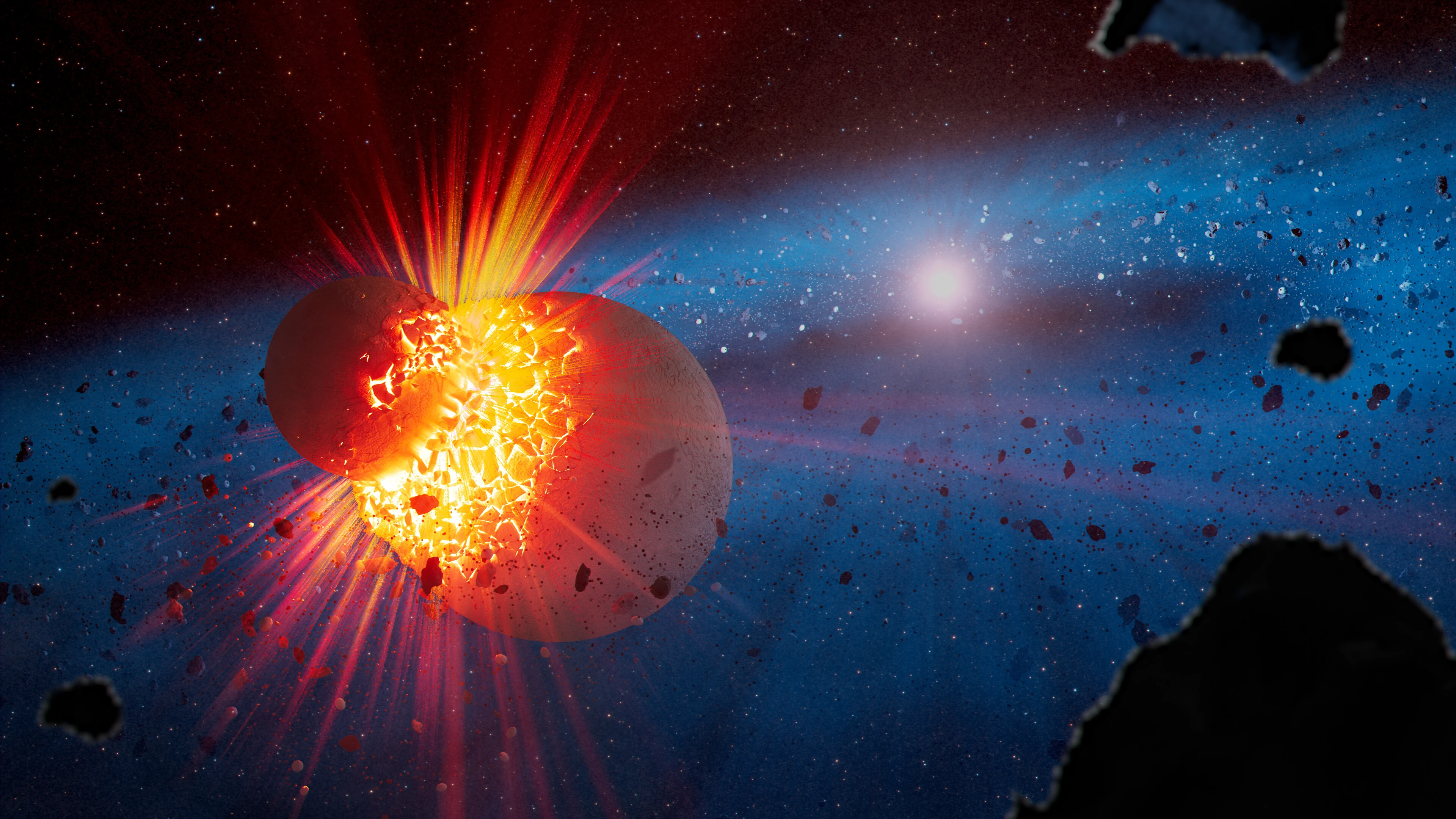
On 21 March 2026, an X-ray telescope in orbit registered a faint flash from a galaxy about 500 million light-years away. It lasted roughly seven minutes and then faded. That flash was the first light of a supernova — not the slow brightening you normally see over weeks, but the instant the explosion’s shock wave punched through the surface of the star. Astronomers call it a shock breakout, and this is only the second time in about two decades one has been caught cleanly in X-rays. ...

August 7, 2026 · 6 min · Andreas Ioannou
The Vera C. Rubin Observatory on a snow-covered ridge of Cerro Pachón, Chile, above a sea of clouds at sunset
Space news

Rubin's first data is out. Here's what amateurs can actually do with it.

On July 31, the NSF–DOE Vera C. Rubin Observatory released its first science data taken with the LSST Camera: a deep image of the COSMOS field holding more than half a million galaxies and over 50,000 stars in a single frame. That’s the headline. The part that took me a minute to work out, as someone who spent years pulling training data out of pipelines like this one, is what a person outside the collaboration can actually touch. Some of it you can explore tonight from your couch. Most of the catalog is locked for two years. ...

August 5, 2026 · 7 min · Andreas Ioannou
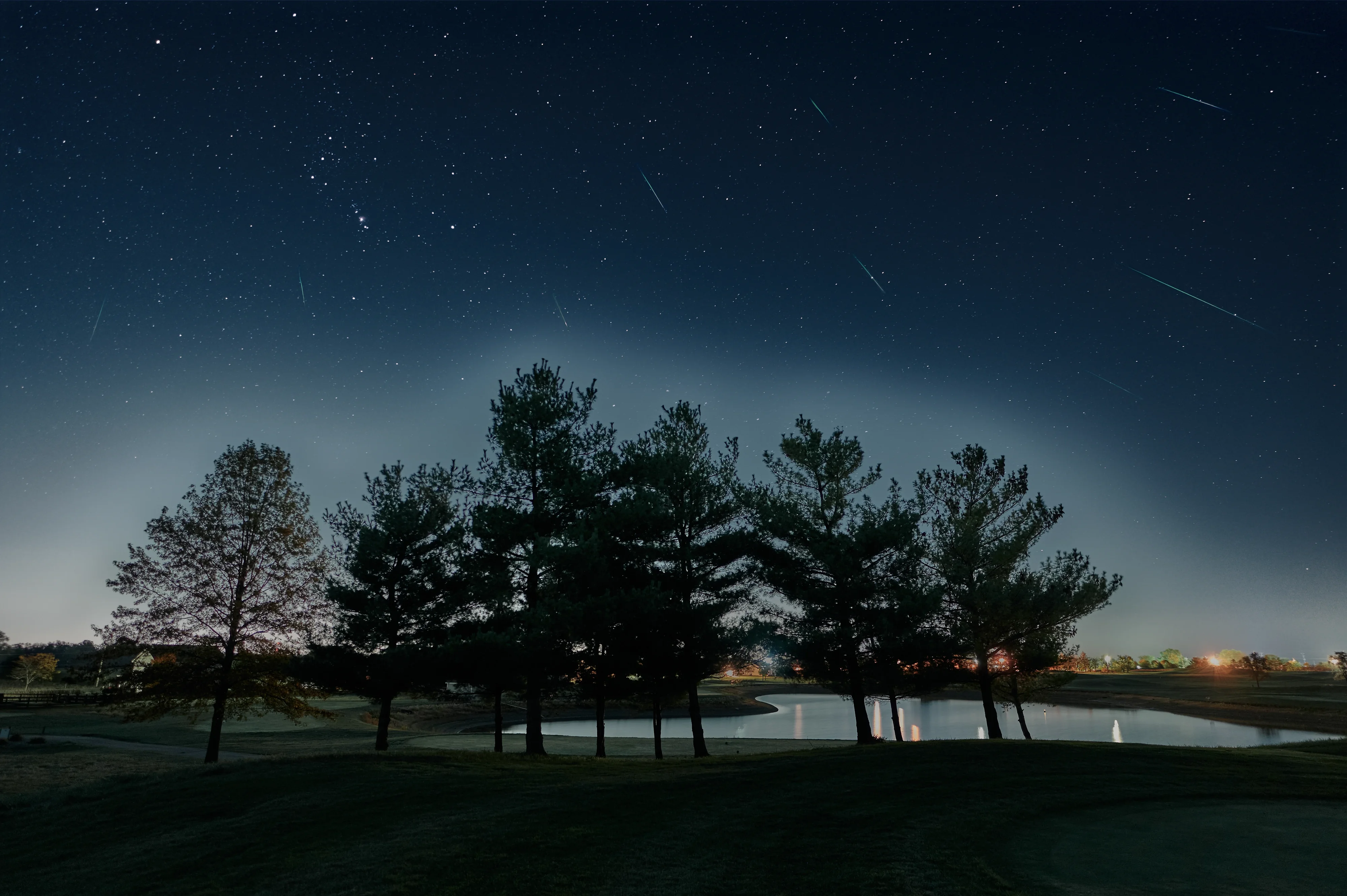
A single Perseid meteor crossing the Milky Way with the Andromeda galaxy overhead, above a treeline lit by light pollution on the horizon, at Luhasoo bog in Estonia
Beginner stargazing

Your first meteor shower: how to watch the 2026 Perseids with no gear

If you’ve never sat out on purpose to watch a meteor shower, the night of August 12 into the morning of August 13 is the one to start with. The Perseids peak then, and this year the Moon is new, so there’s no moonlight to drown the fainter streaks. It’s the darkest Perseid peak since 2021. You don’t need a telescope, binoculars, an app, or any skill you don’t already have. You need somewhere reasonably dark, something to lie back on, and about an hour of patience. Here’s exactly what to do with it. ...

August 3, 2026 · 8 min · Andreas Ioannou
The Pic du Midi de Bigorre observatory domes and summit terraces at 2,877 m, with the cable car cables at right and a snow-streaked Pyrenees panorama beyond.
Astrotourism

Pic du Midi: stargazing at 2,877 m in France's only dark sky reserve

Most dark-sky destinations ask you to drive somewhere remote, set up your own gear, and hope the weather holds. Pic du Midi does something almost no other site in Europe offers: it puts a 130-year-old research observatory on a 2,877-metre summit, runs a cable car up to it, and, if you can stomach the price, lets you sleep the night at the top with the telescopes. It sits at the centre of France’s only International Dark Sky Reserve. This is a guide to what the sky is actually like there, how to get up, what the overnight stay includes, and the much cheaper way to use the same dark skies from the valleys below. ...

August 1, 2026 · 9 min · Andreas Ioannou
A single meteor streaks across a star-filled night sky above the dark treeline of Spruce Knob, West Virginia, during the annual Perseid meteor shower
Celestial event

Perseids 2026: a moonless peak on August 12–13, the best in five years

The Perseids peak overnight on August 12–13, and this year the Moon stays out of the way entirely. It turns new on August 12 at 17:37 UT, so the peak night is as dark as any night gets. That combination, the richest summer shower landing on a moonless sky, is what observers wait years for, and it hasn’t happened since 2021. If you clear a single night for meteors in 2026, make it this one. Here’s when to be out, where to point your eyes, and why the eclipse dominating everyone’s calendar that same day is, for those of us in the eastern Mediterranean, the less interesting half of August 12. ...

July 29, 2026 · 7 min · Andreas Ioannou
The Andromeda Galaxy (M31), a bright oval spiral tilted almost edge-on with dark dust lanes crossing its glowing white core, surrounded by a dense field of foreground stars, with the small companion galaxies M32 and M110 nearby.
Gear

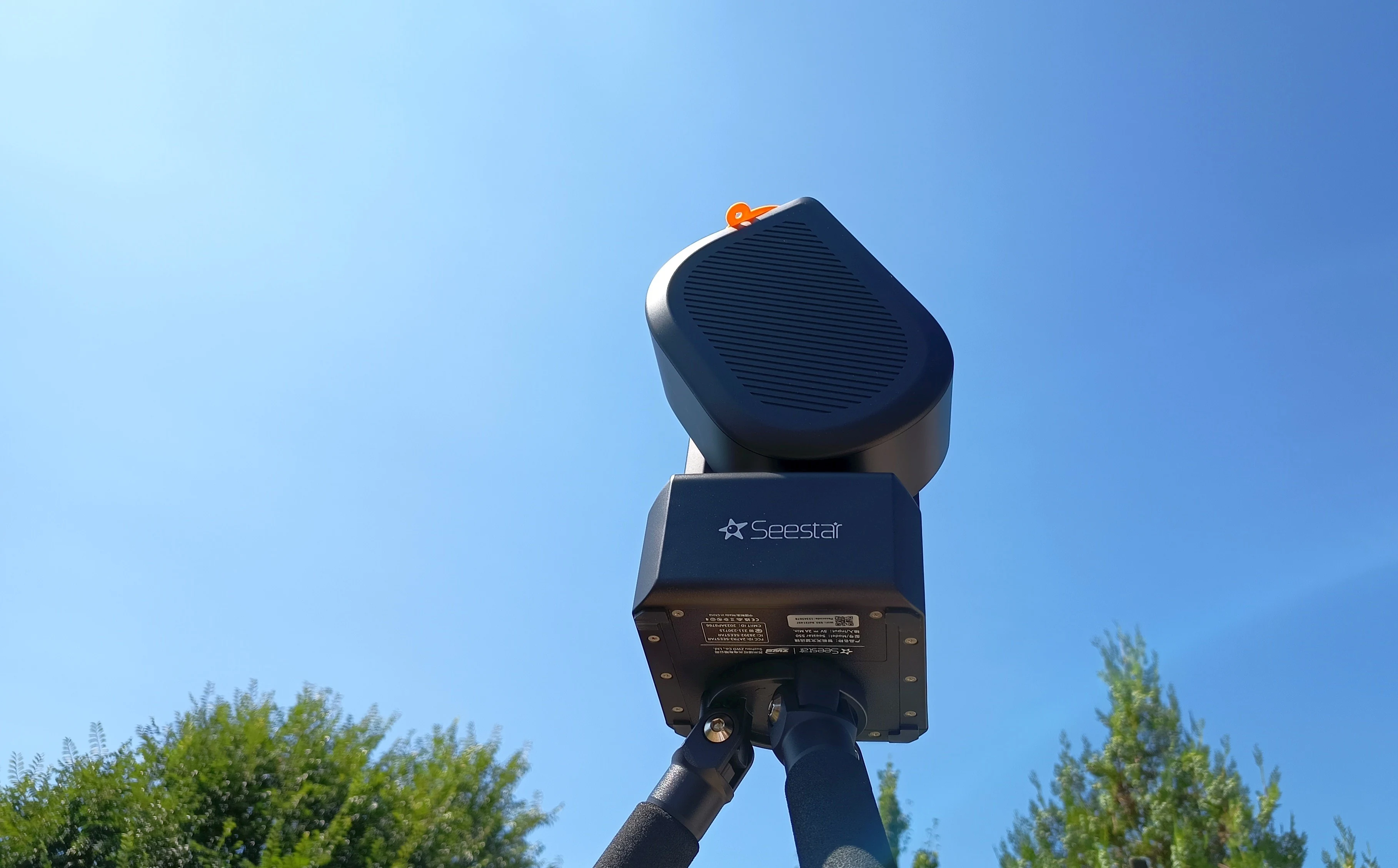
The Seestar S50 is discontinued — is 30 mm enough from a city balcony?

The ZWO Seestar S50 I reviewed in May is out of production. Walk into the smart-telescope aisle today and the Seestar you can actually buy new is a 30 mm scope: the S30 or the S30 Pro. The “successor” has 20 mm less aperture than the thing it replaced. If you’ve spent any time reading telescope forums, that sentence should make you flinch, because aperture is the one number those forums agree on. The question I keep getting emailed: does a 30 mm smart telescope give up too much from a light-polluted balcony, and should you hunt down a used S50 instead? ...

July 27, 2026 · 8 min · Andreas Ioannou
The edge-on lens-shaped galaxy NGC 4526 with a single bright point of light, Type Ia supernova 1994D, standing out at its lower-left edge, imaged by the Hubble Space Telescope.
AI × astronomy

About 30 LLM agents did a cosmology project with no human in the loop

You give it a sentence — “measure the cosmological parameters from this supernova dataset” — and walk away. About 30 language-model agents pick it up, search the literature, write the analysis code, run it, read the output, argue with each other about whether the answer is sound, and hand back a result. No human touches the keyboard in between. The team that built this calls the demo “a PhD level cosmology task,” and the system did it end to end. ...

July 25, 2026 · 8 min · Andreas Ioannou
Artist's impression of the super-Earth LHS 1140 b as a dark, curved planetary limb rimmed with orange light, lit by its red dwarf star against a field of stars.
Space science

LHS 1140 b is leaking helium — the best evidence yet that a habitable-zone world kept its air

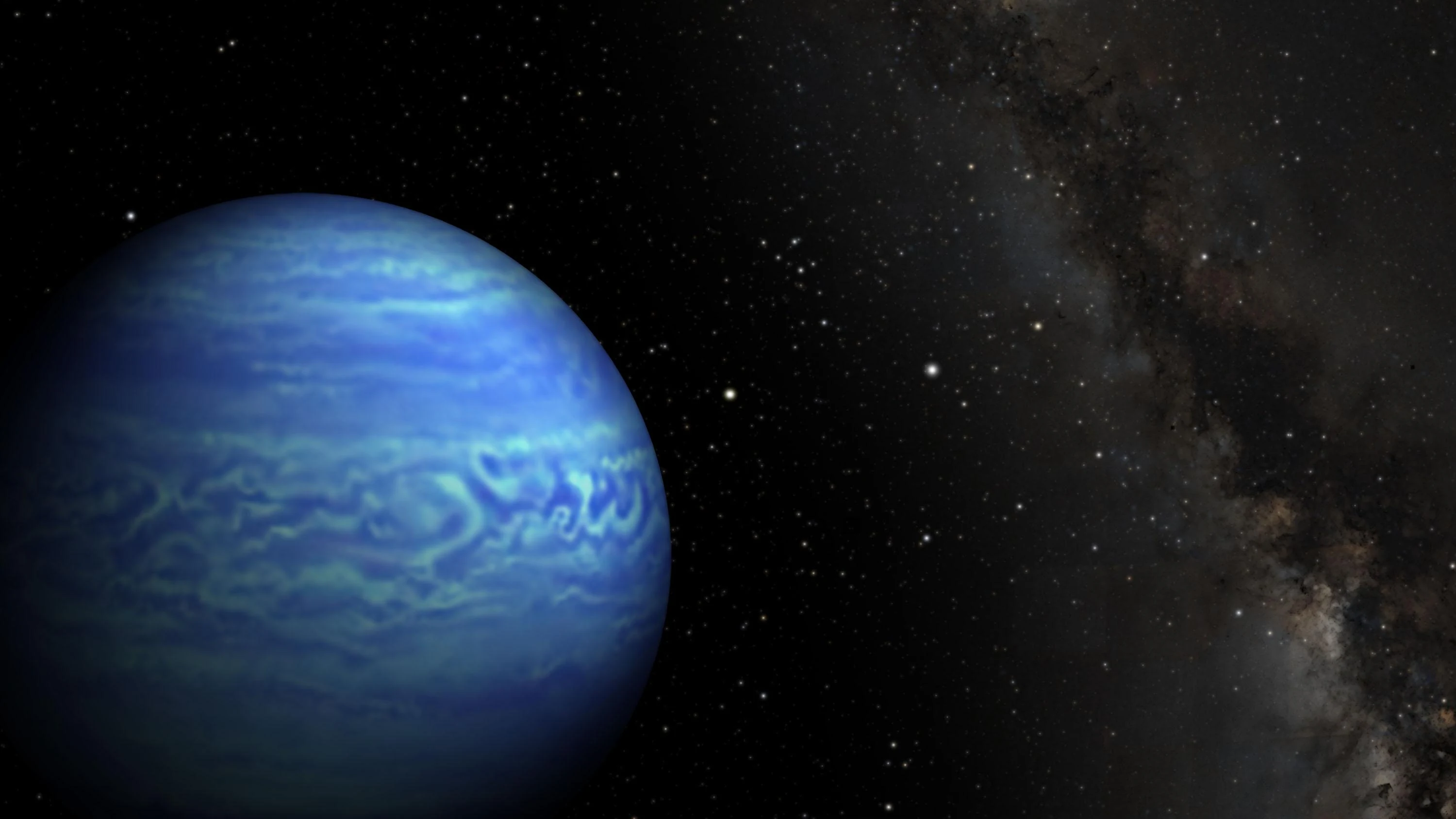
For almost a decade, the most closely watched rocky planet in the exoplanet catalogue has been LHS 1140 b: a super-Earth in the habitable zone of a quiet red dwarf about 48 light-years away, in the constellation Cetus. The open question was never whether it exists. We’ve known that since 2017. The question was whether a small planet sitting that close to a red dwarf could hold onto an atmosphere at all. A paper published in Science on July 16 gives the strongest answer yet, and it comes from an unexpected direction: the planet is losing gas. A Harvard-led team caught helium streaming off the top of its atmosphere. That leak, counterintuitively, is the best evidence we have that there’s an atmosphere down there to leak from. ...

July 23, 2026 · 7 min · Andreas Ioannou
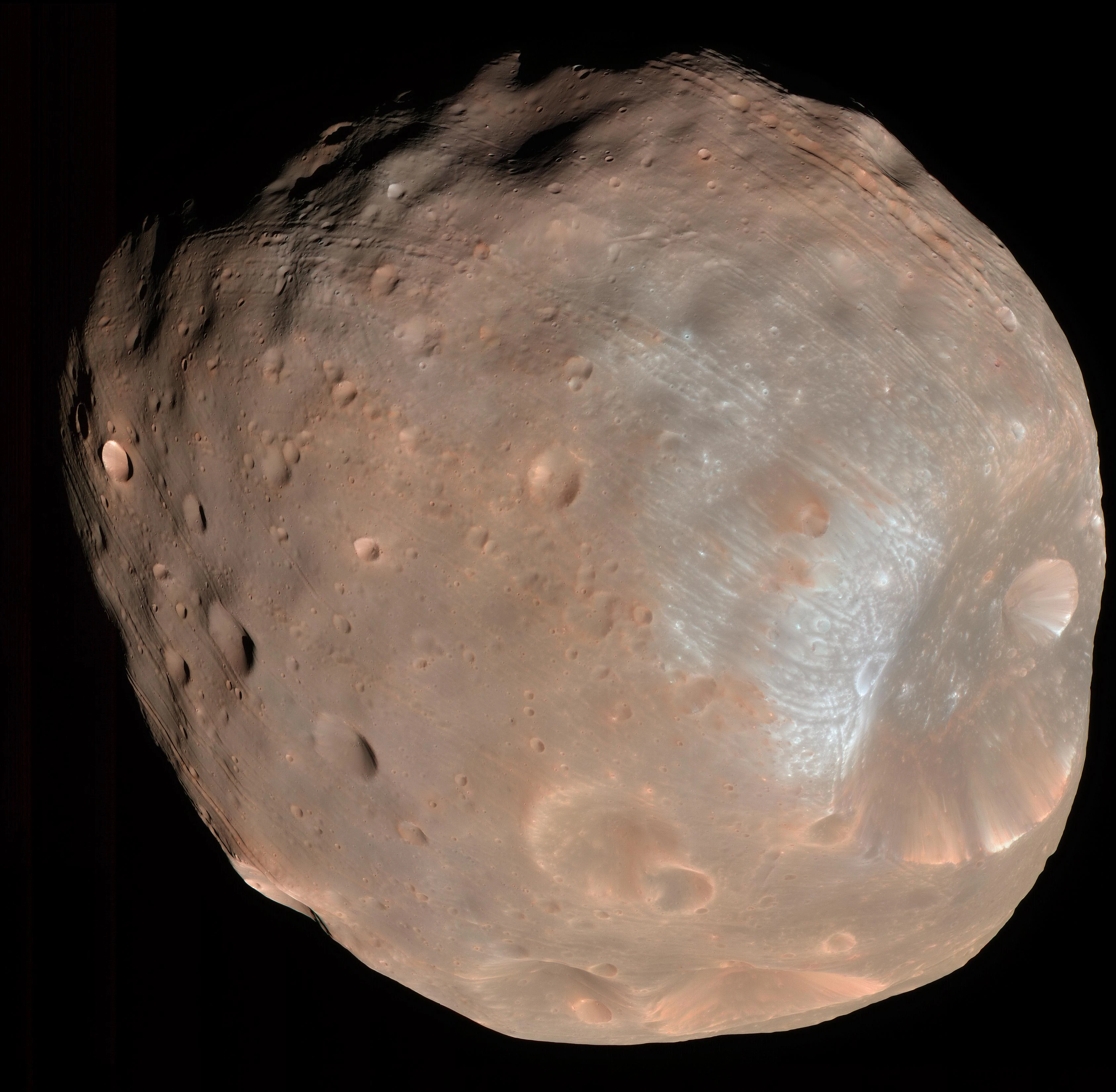
The peanut-shaped rubble-pile asteroid Itokawa, a small S-type near-Earth asteroid imaged up close by Japan's Hayabusa spacecraft — shown here as a stand-in, since no freely licensed close-up of Kamoʻoalewa exists yet.
Space news

Tianwen-2 reached Kamoʻoalewa, Earth's quasi-moon — and the lunar-origin case is wobbling

A Chinese spacecraft is now station-keeping about 20 km from a rock the size of an office block that has been shadowing Earth for at least a century. On July 6, the China National Space Administration released the first close-up image of asteroid 469219 Kamoʻoalewa, confirming that Tianwen-2 had caught its target after a 13-month, roughly one-billion-kilometre chase. The image showed a small, elongated body, the shape you get from a loose pile of rubble rather than a solid boulder. ...

July 21, 2026 · 7 min · Andreas Ioannou
A single meteor streaks over the dark forested ridgelines of Spruce Knob, West Virginia, against a star-filled night sky
Celestial event

The Delta Aquariids peak July 30, but a full moon will drown them this year

Two meteor showers reach their peak on the night of July 30: the Southern Delta Aquariids and the Alpha Capricornids. In a good year that’s a fine reason to drive up to Troodos and lie back for a couple of hours. This is not a good year. The Buck Moon turns full on July 29 at 14:36 UT, and two nights later it’s still 96% lit and up from dusk to dawn, parked in the same corner of the southern sky the meteors come from. The plan, then: don’t waste a special trip on July 30. Learn what these two showers are, catch a few of the brighter ones in the darker nights beforehand, and save your effort for August 12, when the Moon disappears entirely. ...

July 19, 2026 · 7 min · Andreas Ioannou