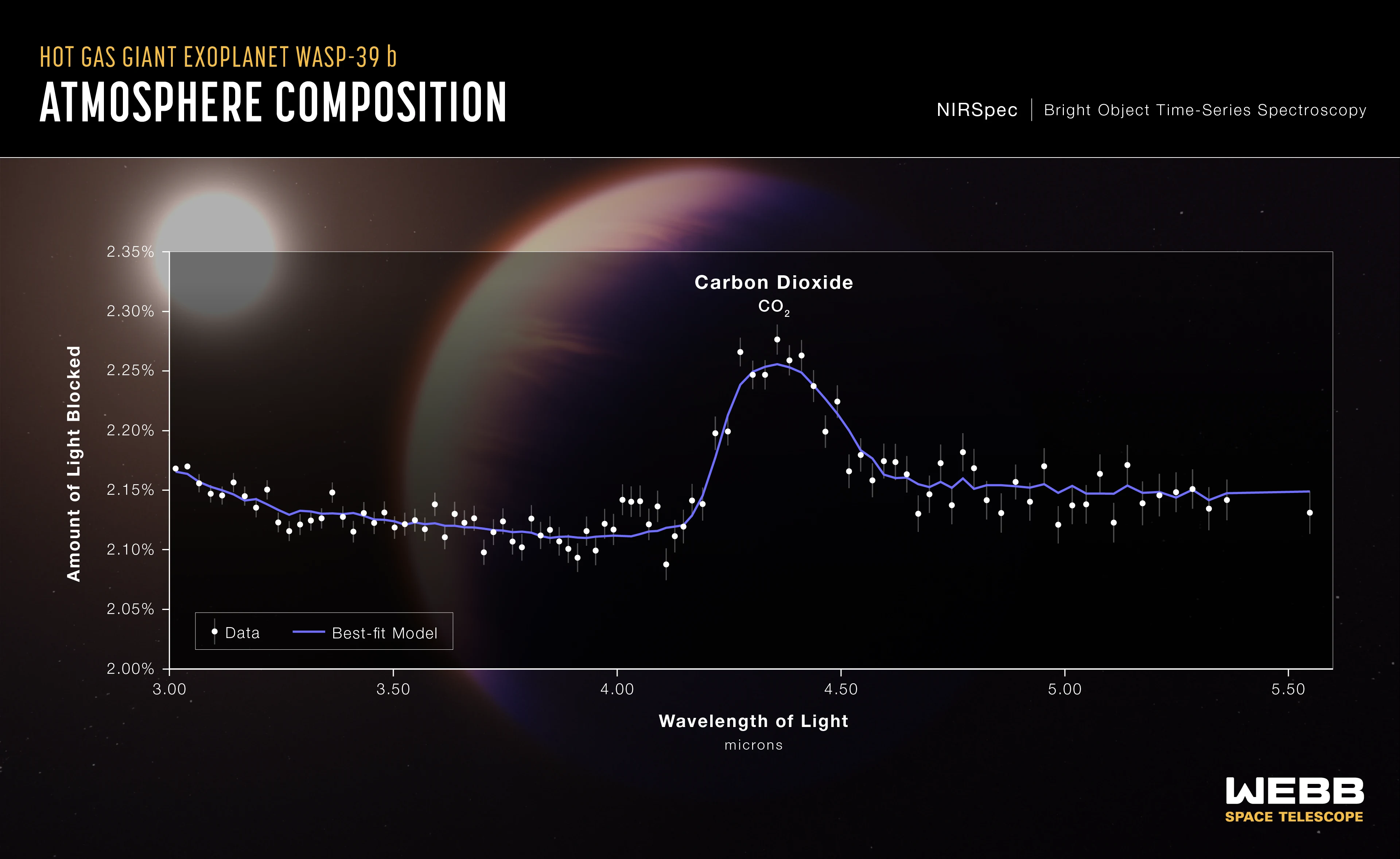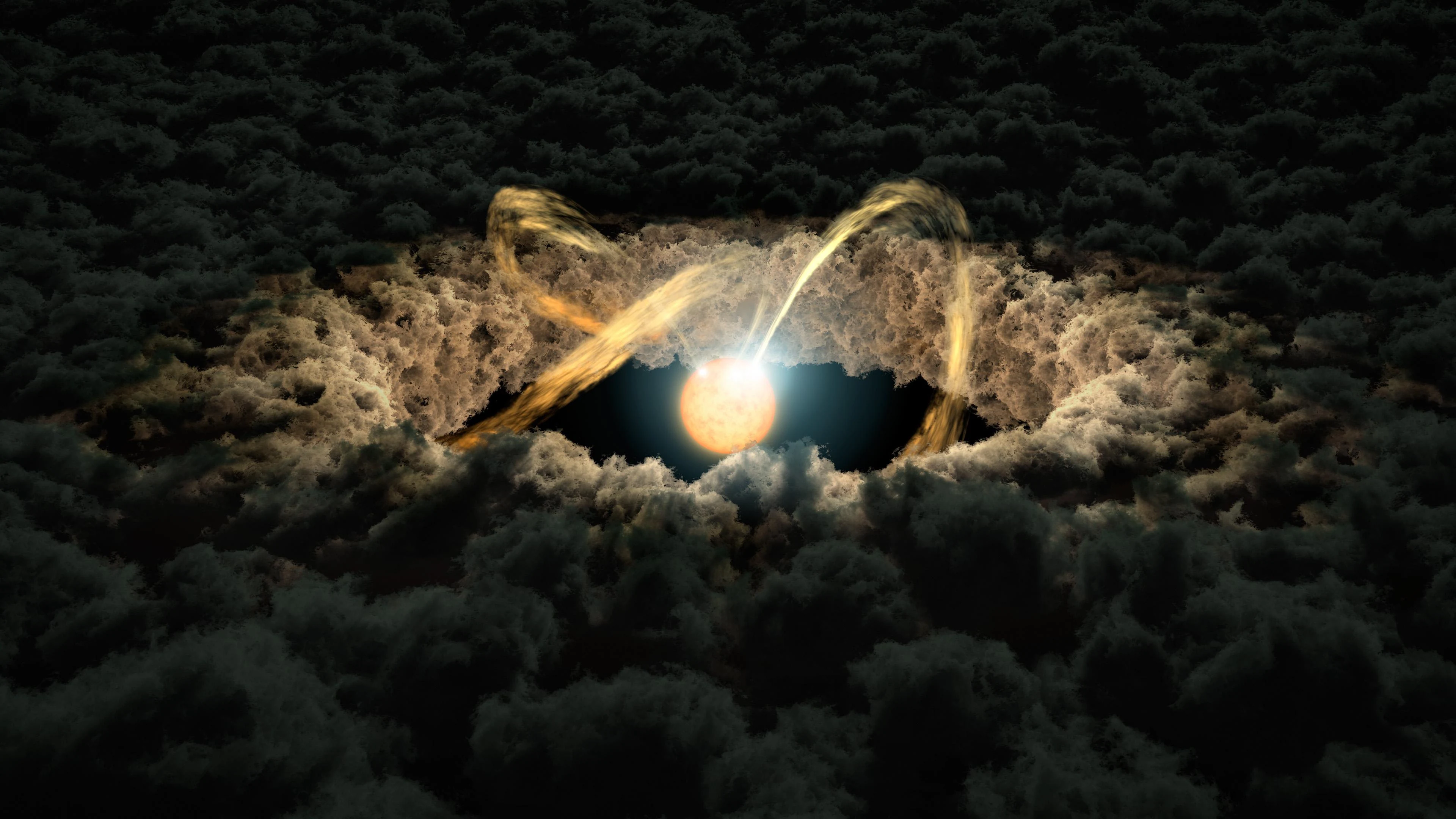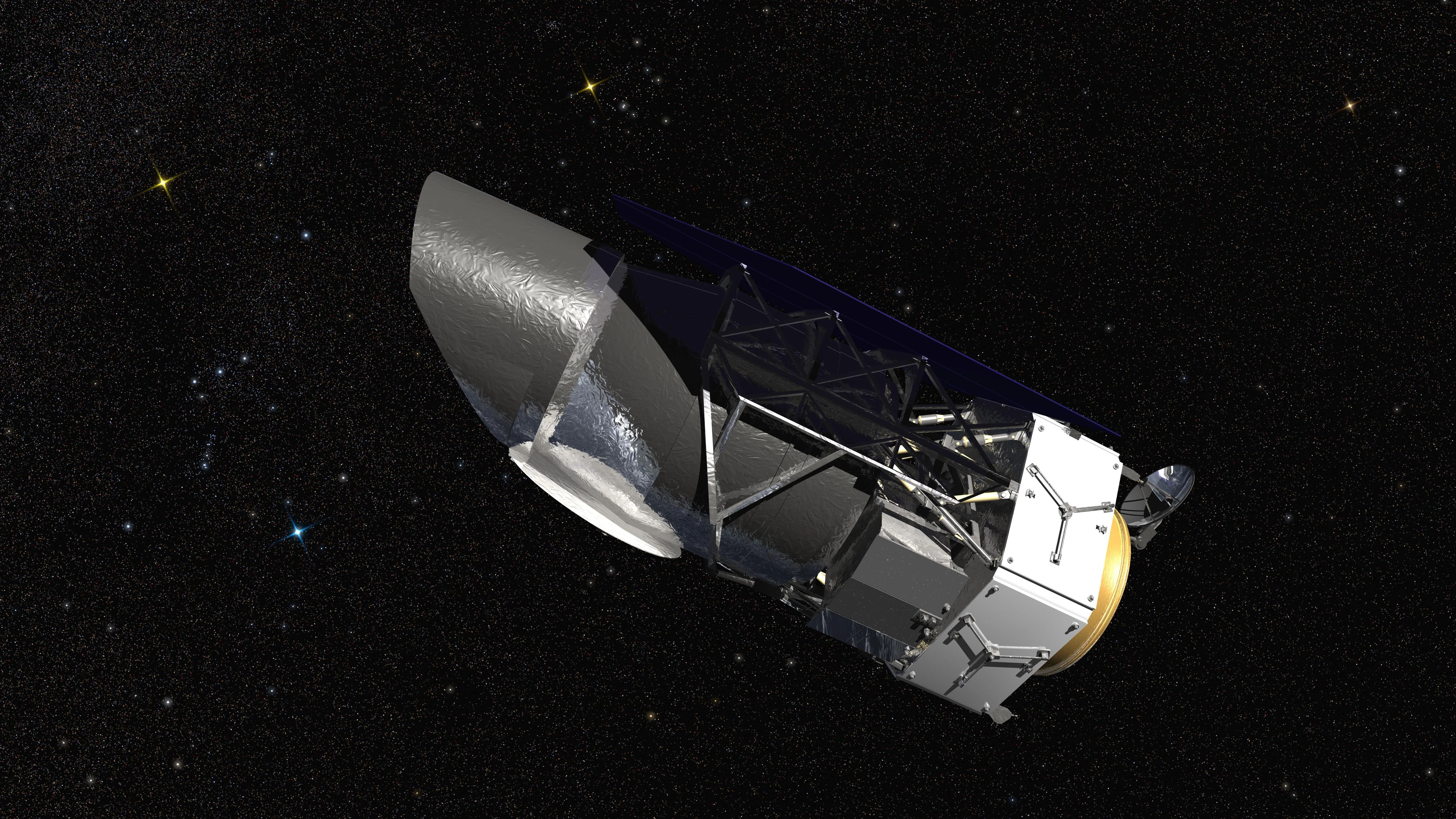
The Cepheid variable star RS Puppis at the centre of a thick reflection nebula, photographed by Hubble
Space science

The cosmic distance ladder: how astronomers measure distances from the Moon to the edge of the universe

When I tell people the Andromeda galaxy is 2.5 million light-years away, the next question is almost always: how do you know? It’s a fair question. We’ve never sent anything past the outer edge of the Kuiper belt. The fastest probe humanity has ever launched would still take roughly 70,000 years to reach the nearest star. So how does anyone get from “I’m staring at a smudge above the rooftops of Nicosia” to “that smudge is around 24 quintillion kilometres away”? ...

May 3, 2026 · 9 min · Andreas Ioannou
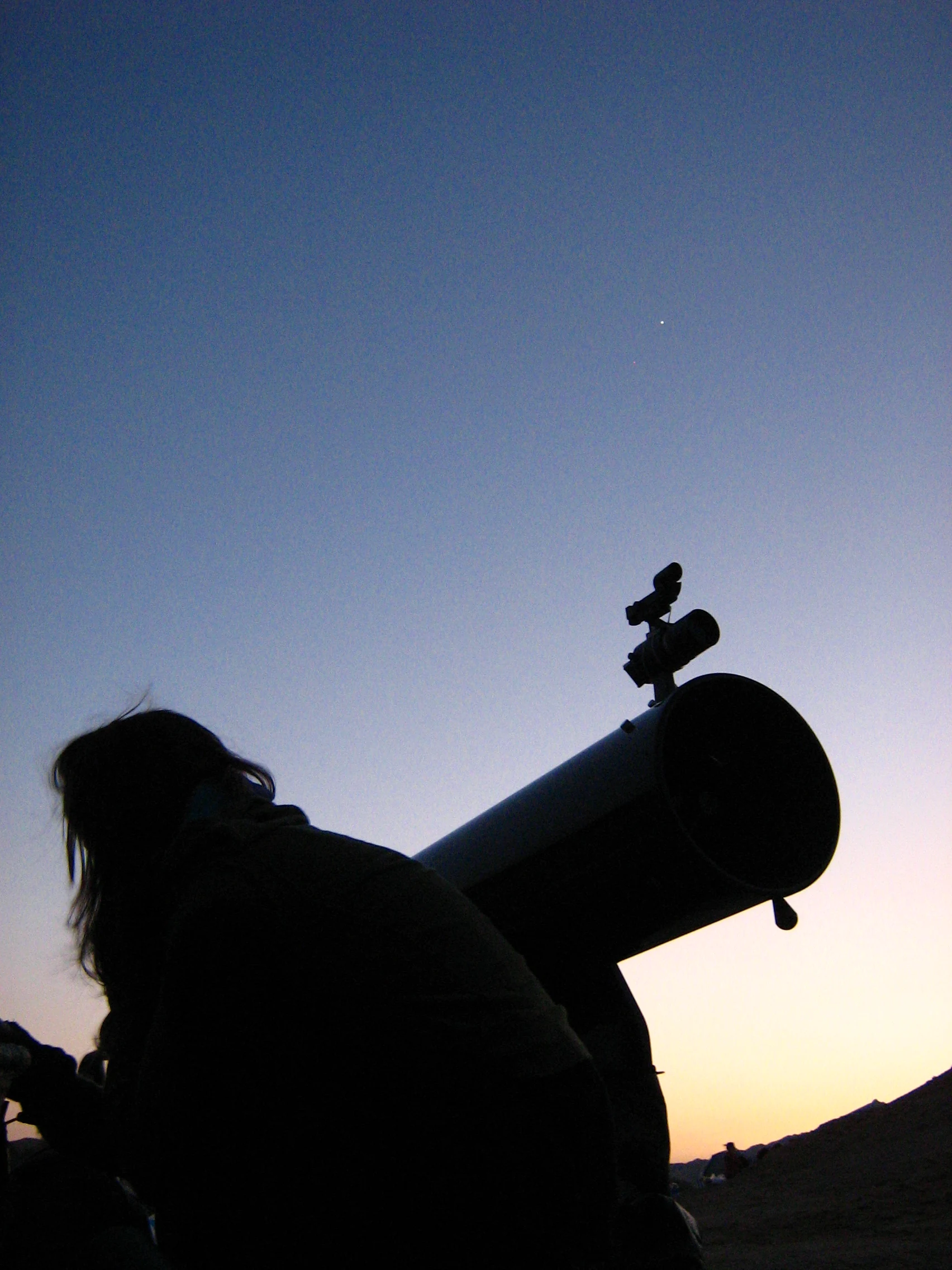
Amateur astronomers preparing telescopes under a starry night sky
Beginner stargazing

Dark adaptation, explained: why your eyes need 30 minutes to see real stars

The first time I drove from Nicosia up to Troodos for a moonless night, I got out of the car, looked up, and was disappointed. I could see the Milky Way, but it was a thin grey smear, not the structured river I’d been promised. So I sat down on the camping chair, put my phone away, and waited. About twenty minutes later I looked up again. The same patch of sky now had texture: a dark rift through Cygnus, the unresolved haze around Sagittarius, individual dust lanes I hadn’t seen at all on the first look. ...

April 30, 2026 · 9 min · Andreas Ioannou
C2025 R3 (PanSTARRS) on 8 April 2026
Celestial event

Comet C/2025 R3 (PanSTARRS) after perihelion: an honest field report from 35°N

Comet C/2025 R3 (PanSTARRS) passed perihelion on April 19, 2026 at 0.499 AU from the Sun, then made its closest pass of Earth on April 26 at 0.489 AU (about 73 million km). For a few days around peak it pulled to roughly magnitude +3 to +5, depending on whose visual estimate you trust on the COBS database. Bright enough to spot in dark-sky binoculars, faint enough that nobody from the Northern Mediterranean was going to call it a naked-eye showpiece. ...

April 28, 2026 · 8 min · Andreas Ioannou
The Milky Way arching over a mountain valley, with stars reflected in a high-altitude lake
Astrotourism

Stargazing from Troodos: a practical guide to Cyprus's mountain dark sky

If you live anywhere on Cyprus, you can be under SQM 21.3 skies in 90 minutes. The Troodos massif covers the central third of the island, peaks at 1,952 m on Mount Olympus, and is the only place on Cyprus with both real darkness and paved roads to it. From my balcony in Nicosia (Bortle 7, SQM around 19.0 on a good night), the difference is roughly two visual magnitudes. The Milky Way goes from “you can almost see it” to “you can read your watch by it.” ...

April 26, 2026 · 9 min · Andreas Ioannou
A wide-field amateur astrophotograph of the Corona Australis region, the kind of star field a smart telescope plate-solves in seconds
AI × astronomy

How plate solving works: the algorithm behind every smart telescope

Every time I tap a target on the Seestar app, my phone tells the telescope what to find, but not where it is. The S50 figures that part out itself: it slews in the rough direction, takes a calibration frame, asks “where on the sky was this taken?”, and adjusts. Three seconds, one re-pointing nudge, target centered. Plate solving is the answer to that one question: given an arbitrary image of stars, recover the pointing, scale, and rotation. The dominant open-source approach, astrometry.net, was published by Lang, Hogg, and collaborators in 2010 and has quietly become the unsung backbone of consumer astrophotography. Every smart telescope on the market today, from the Seestar S50 to the Vespera Pro, the DWARF 3, and the Celestron Origin, runs some variant of this in real time. ...

April 25, 2026 · 9 min · Andreas Ioannou
A Lyrid meteor streaks across a dark starfield in this 2022 photograph
Celestial event

The 2026 Lyrids are done. The Eta Aquariids are next, and the moon is going to fight you

The Lyrids peaked around 19:40 UT on April 22 — essentially yesterday evening for anyone in Europe. Conditions were as good as this shower gets: a new moon on April 17 meant only a thin crescent in the sky, and it set before 10 pm local, leaving the prime post-midnight hours properly dark. Under a clean dark site the International Meteor Organization expected 18–20 meteors per hour at the peak. From a light-polluted backyard, Space.com put realistic rates closer to 8–12/hour. ...

April 23, 2026 · 7 min · Andreas Ioannou