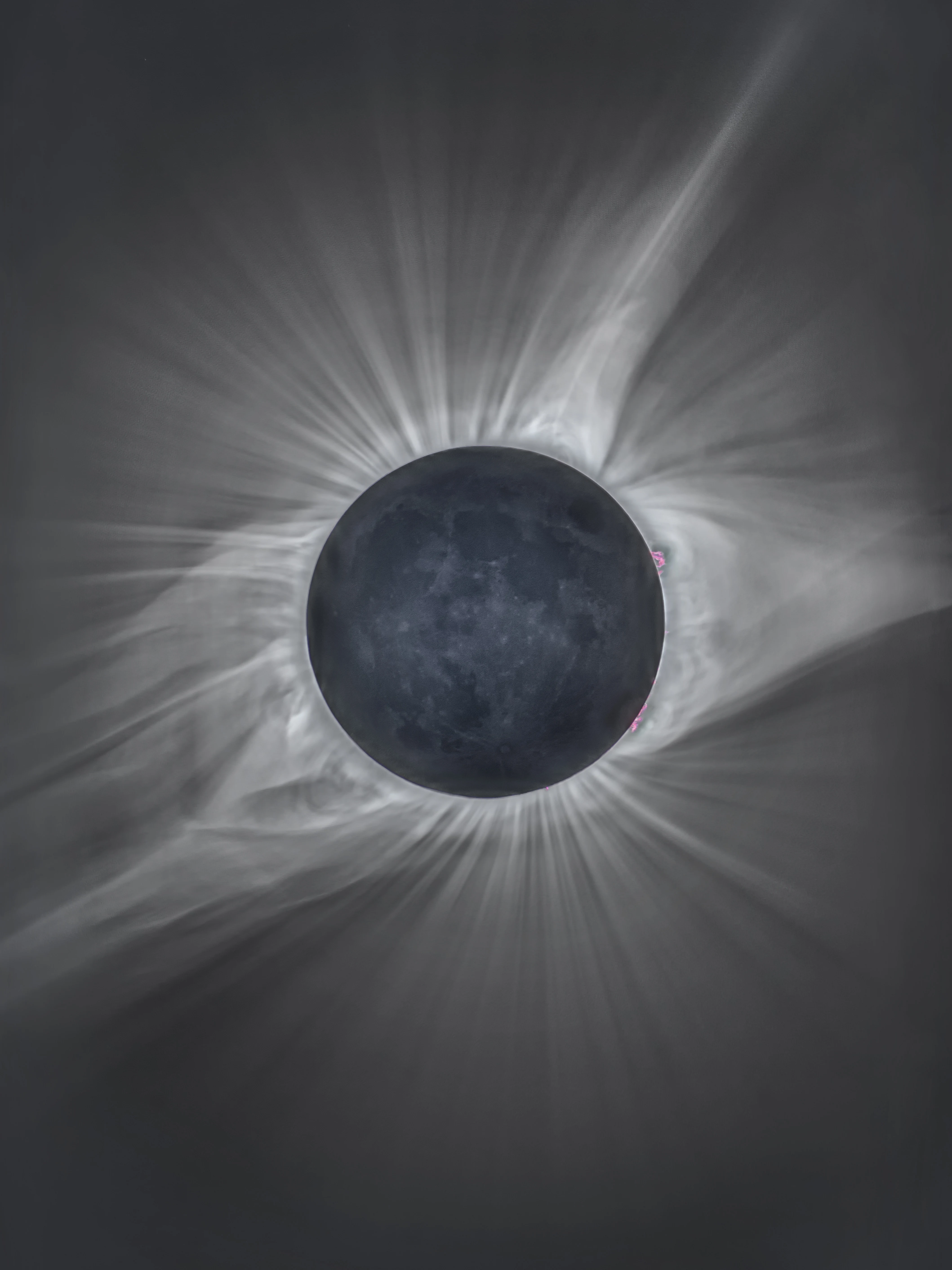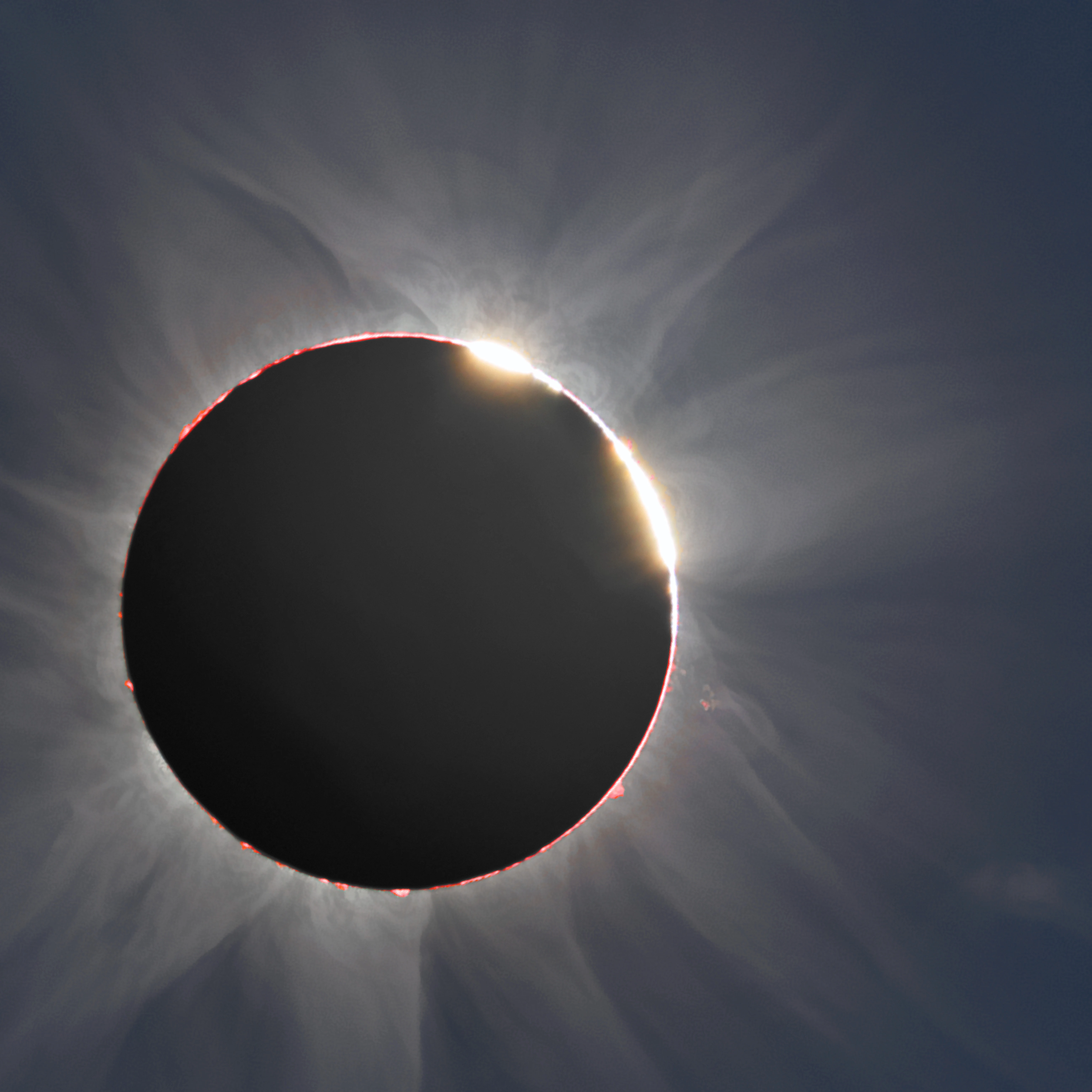
The double-diamond-ring effect seen during the hybrid solar eclipse of 3 November 2013 (eso1822f)
Celestial event

Where to watch the August 12 eclipse in Spain: a region-by-region guide

The path of totality on August 12 sweeps across northern Spain from Galicia to the Balearic Islands. Every region inside the path delivers totality — but the Sun sits between 2° and 11° above the western horizon when it happens, and that changes everything about where you should stand. At 10° altitude the Sun is about one fist-width above the horizon at arm’s length. At 5° it’s half a fist. At 2° you’d lose it behind a two-storey building from 100 m away. One badly placed apartment block, one hilltop in the wrong direction, one row of pines — and you miss totality entirely. ...
June 25, 2026 · 7 min · Andreas Ioannou
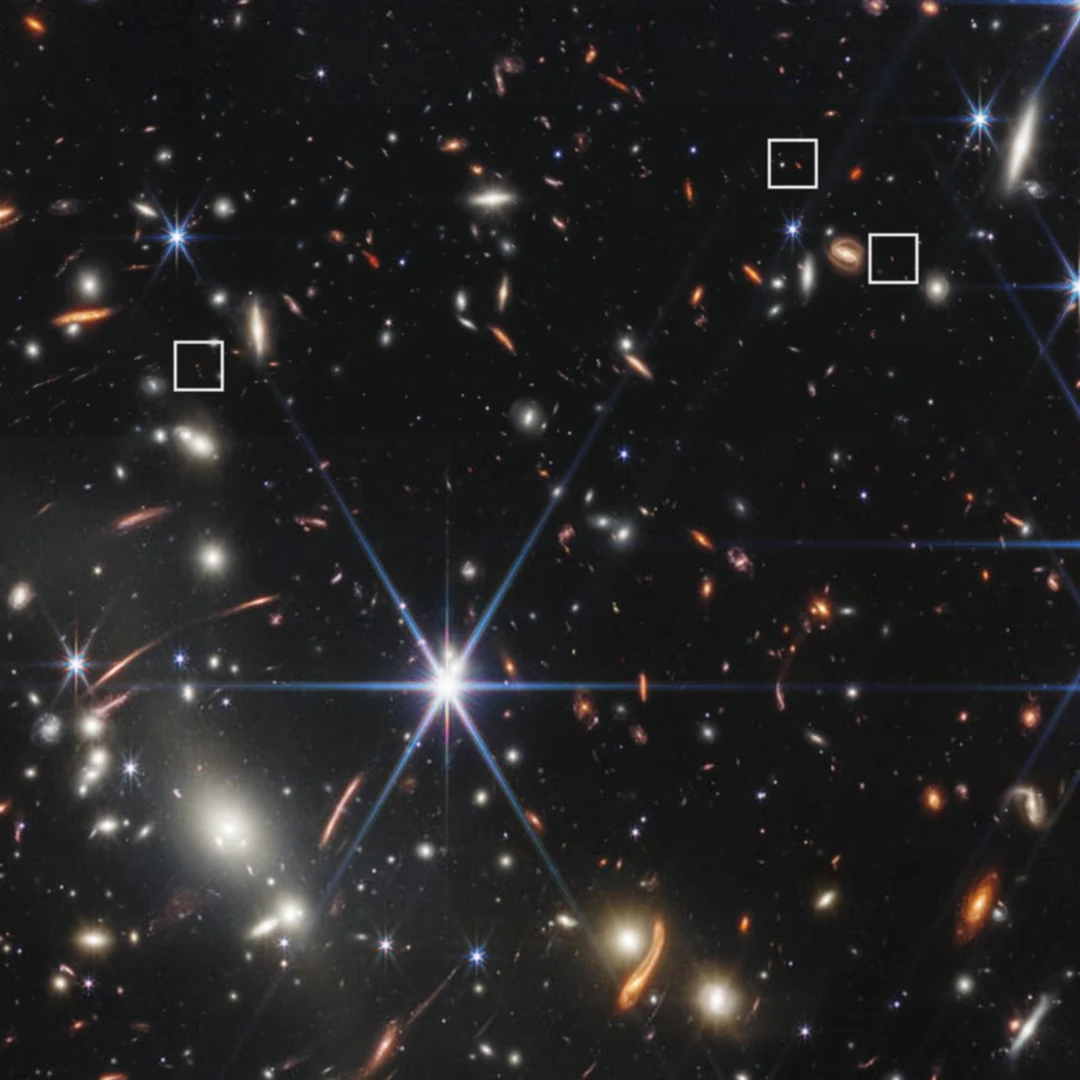
Webb deep field image of galaxy cluster SMACS 0723 showing thousands of orange and white galaxies with three highlighted early-universe objects
Space science

JWST's 'little red dots' aren't galaxies. They're black holes wrapped in gas.

Since 2022, the James Webb Space Telescope has been turning up compact red objects in the deep universe that nobody predicted. More than 300 of these “little red dots” have been catalogued so far, all crammed into a narrow epoch between about 600 million and 1.6 billion years after the Big Bang. For four years, they’ve driven a sharp debate: are they impossibly massive galaxies, overgrown black holes, or something we haven’t modelled yet? A paper published on June 10 in The Astrophysical Journal by Vasily Kokorev and colleagues at the University of Texas at Austin delivers the strongest answer so far. The object they studied, GLIMPSE-17775, is a supermassive black hole cocooned in dense, hot gas — and the data suggest most little red dots are, too. ...

June 23, 2026 · 8 min · Andreas Ioannou
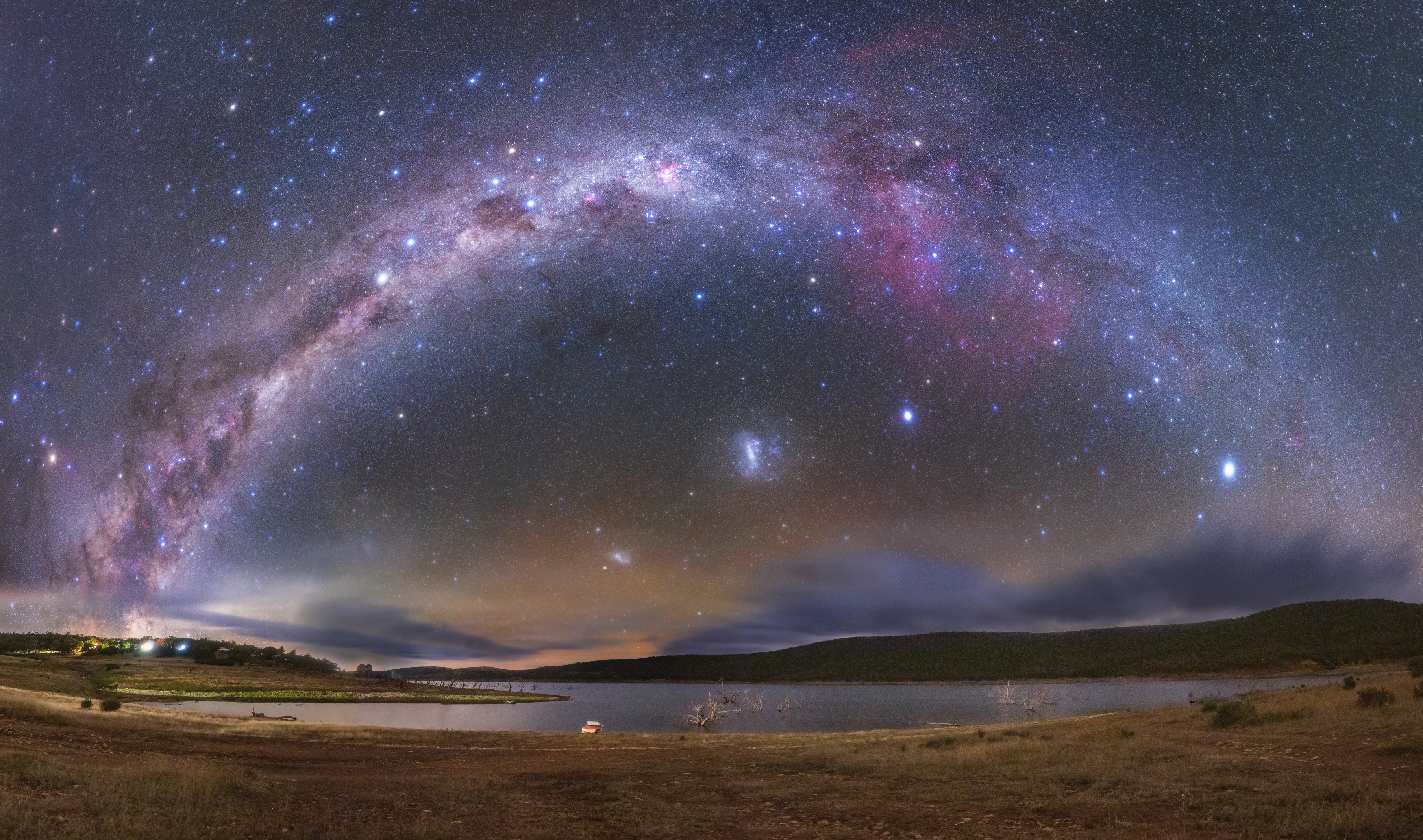
Milky Way Untangled
Beginner stargazing

How to photograph the Milky Way with just your phone

Your phone’s camera sensor is larger, faster, and smarter than anything a dedicated DSLR could offer ten years ago. If you can get yourself under a reasonably dark sky — Bortle 4 or darker — a 2024-or-newer flagship phone will record the Milky Way in a single exposure. No telescope, no star tracker, no laptop in a field at 2 AM. Just the phone, something to prop it against, and about 30 seconds of patience. ...

June 21, 2026 · 7 min · Andreas Ioannou
The Milky Way arching over a dark southern hemisphere landscape with the Southern Cross, pointer stars, and Magellanic Clouds visible
Astrotourism

NamibRand: what the sky looks like from a Bortle 1 desert at 25° south

NamibRand Nature Reserve covers 2,150 km² of Namib Desert roughly 400 km southwest of Windhoek. In 2012, the International Dark-Sky Association gave it Gold Tier International Dark Sky Reserve status — the second site in the world to receive the designation, and the first in Africa. The reserve records Bortle 1 sky conditions on a continuously logging Unihedron SQM-LE, with the nearest meaningful light dome more than 70 km away. If you’ve only ever observed from mid-northern latitudes and wonder what the Milky Way looks like when its core passes through your zenith, this is the place to find out. ...

June 20, 2026 · 6 min · Andreas Ioannou
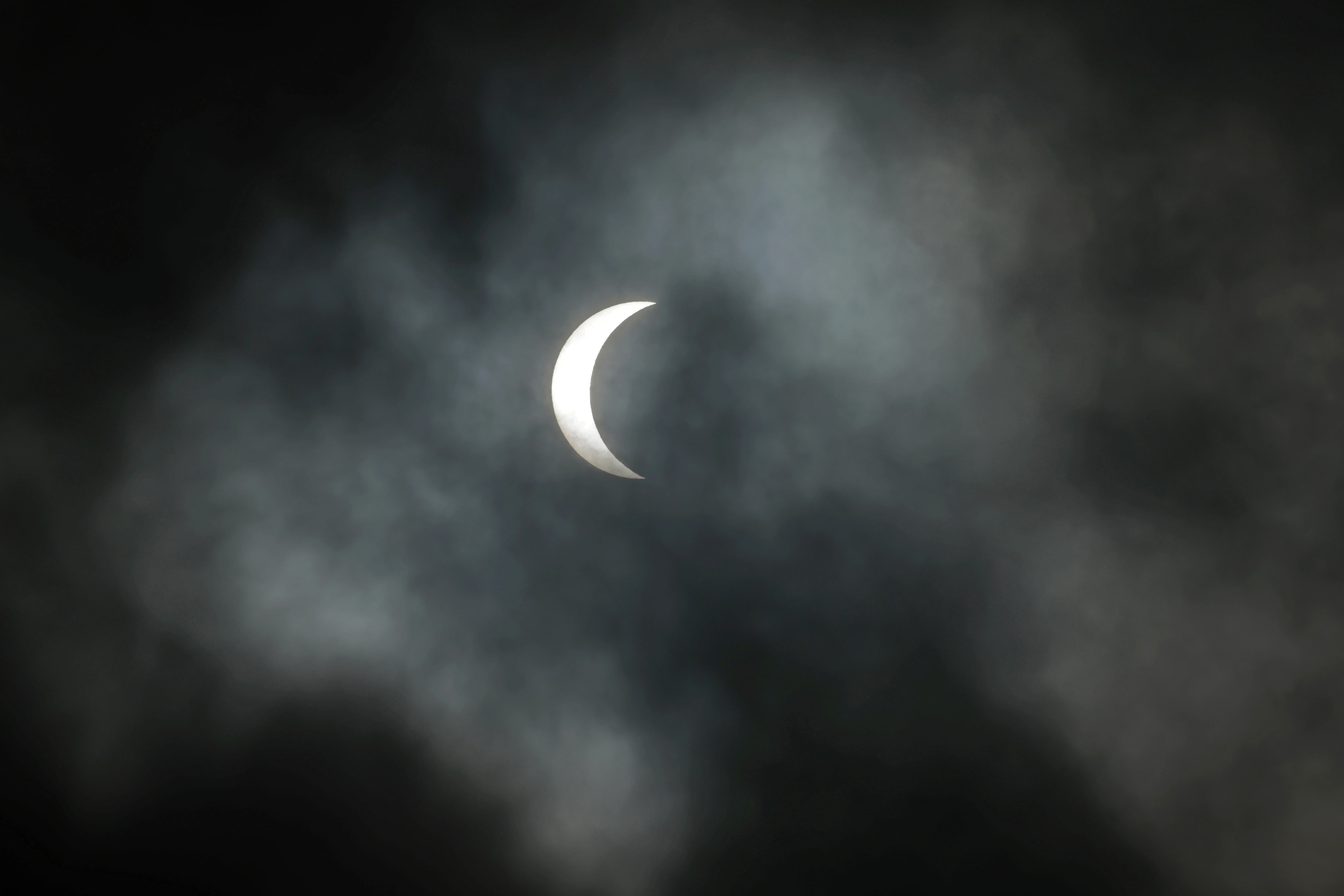
Partial Solar Eclipse in New Orleans
Gear

What solar filter to buy for the August 12 eclipse

The August 12 total solar eclipse is 55 days out. If you’re planning to photograph it, point a telescope at it, or just watch the partial phases safely, you need a solar filter. Prices are still normal and stock is still available. By late July neither will be true. Here’s what the numbers on the label mean, which filters are worth the money, and what I’m packing for Spain. The one number on every solar filter: optical density Every solar filter blocks a fraction of the Sun’s light. The spec you care about is optical density (OD), a logarithmic scale. OD 5 means only 10^-5 of the incoming light gets through — one hundred-thousandth. OD 4 passes ten times more. That factor of ten is the line between safe for your eyes and not. ...

June 18, 2026 · 7 min · Andreas Ioannou
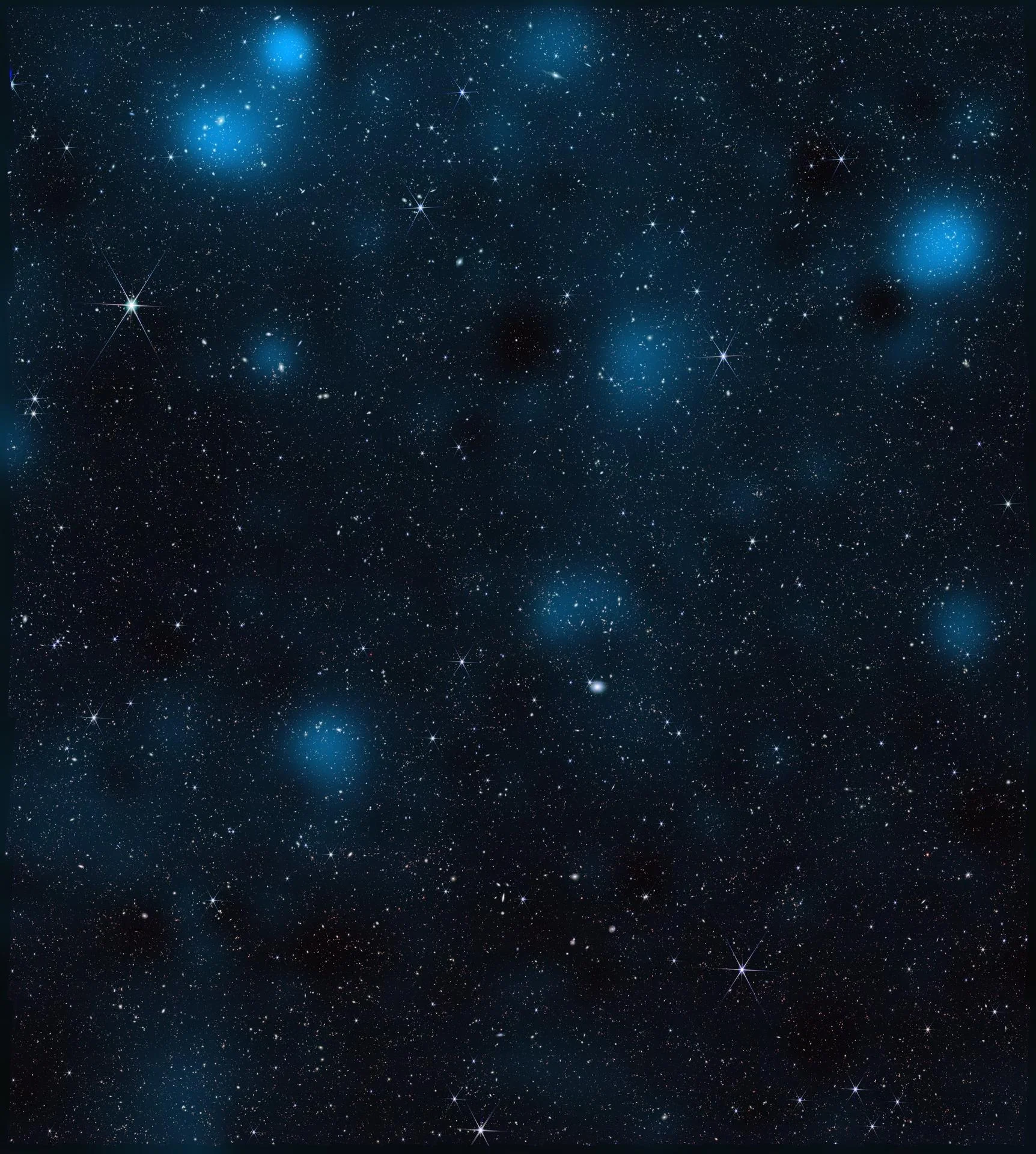
Nearly 800,000 galaxies captured by JWST's NIRCam, overlaid with a dark matter distribution map shown in blue
AI × astronomy

An AI that taught itself what noise looks like found three times more galaxies in JWST data

A team at Tsinghua University built a neural network called ASTERIS that strips structured noise from telescope images, without ever seeing a clean reference frame. Applied to JWST deep-field data, it recovered galaxies one full apparent magnitude fainter than previous pipelines could detect, and tripled the number of galaxy candidates at redshifts above 9. The paper landed in Science in April 2026, and the code is on GitHub. One magnitude sounds modest until you remember the scale is logarithmic. A gain of 1.0 mag means detecting objects 2.5× dimmer. That’s roughly equivalent to doubling the mirror area of the telescope that took the data. ASTERIS achieves it with software alone. ...

June 16, 2026 · 6 min · Andreas Ioannou
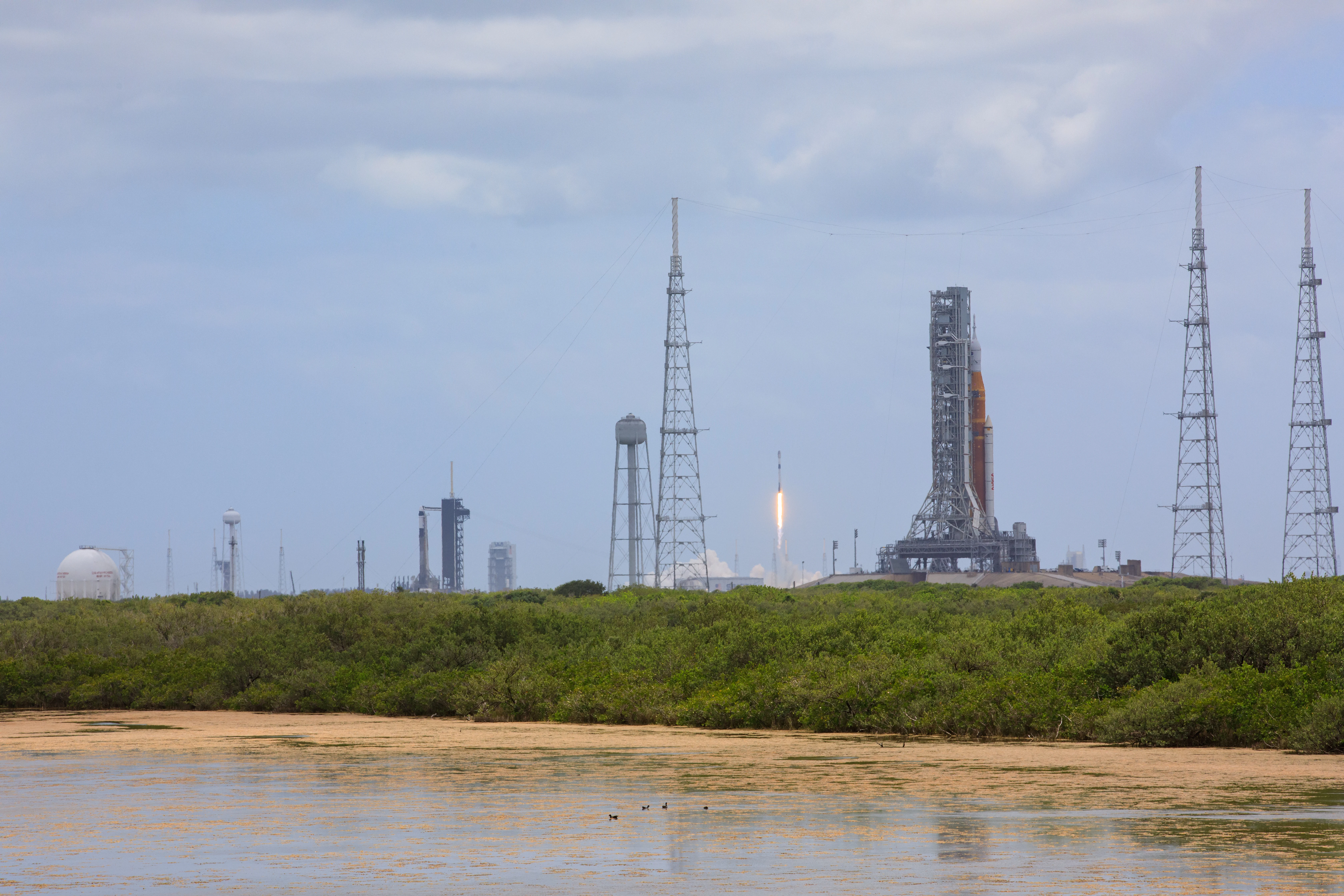
Artemis I, Crew-4, & Starlink Rockets on the Pad
Space news

SpaceX went public at $1.77 trillion — what that means for the night sky

On June 12, SpaceX raised $75 billion in the largest initial public offering in history. The company listed on the Nasdaq at $135 per share, valuing the business at approximately $1.77 trillion — putting it among the ten most valuable public companies on Earth. Within hours of the listing, a Falcon 9 carrying 29 Starlink satellites lifted off from Cape Canaveral. The symbolism wasn’t accidental. The reason SpaceX commands that valuation isn’t Starship, and it isn’t the Artemis HLS contract. It’s 10,400 satellites already in orbit, beaming internet to paying subscribers in 75+ countries. Starlink generates an estimated 58% of SpaceX’s total revenue. When public investors bought SpaceX stock this week, they bought a satellite internet company that also happens to build rockets. ...

June 14, 2026 · 6 min · Andreas Ioannou
Total solar eclipse showing the Sun's corona radiating outward from behind the Moon's dark silhouette
Celestial event

Europe's first total solar eclipse in 27 years arrives on August 12 — at sunset

On August 12, 2026, at 18:28 UT, the Moon’s shadow will touch down on the coast of Galicia in northwestern Spain. For about 1 minute 50 seconds in Oviedo — less in Bilbao, more in León — the Sun will disappear behind the Moon while sitting roughly 10° above the western horizon. It will be the first total solar eclipse visible from mainland Europe since August 11, 1999. Totality happens at sunset, during the Perseid meteor shower peak, under a new moon. For anyone in the path, the sequence is: watch the Sun vanish near the horizon, turn east, and count Perseids across a moonless sky all night. ...

June 13, 2026 · 7 min · Andreas Ioannou
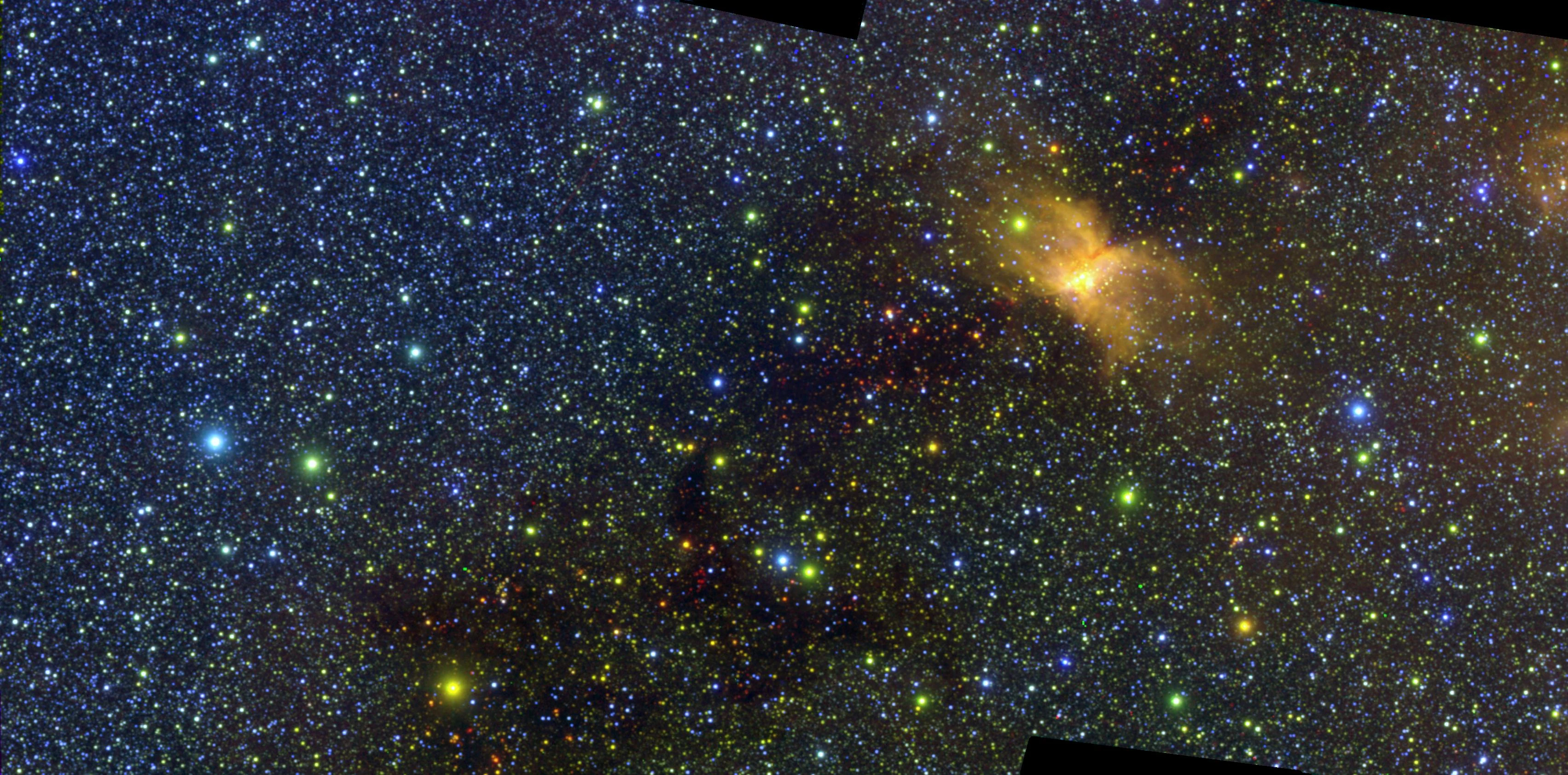
Infrared image of the Vela Molecular Ridge captured by NASA's SPHEREx, showing glowing interstellar dust and gas
Space science

Astronomers detected a true sugar in interstellar space for the first time

A Spanish-led team has detected erythrulose, a four-carbon ketose and the first true monosaccharide ever confirmed in interstellar space, inside a molecular cloud near the Galactic Center roughly 26,000 light-years from Earth. The preprint, posted to arXiv on June 2, draws a line from a specific interstellar molecule to the chemistry of TNA (Threose Nucleic Acid), a simpler genetic polymer that may have preceded RNA on early Earth. Not the first “sugar in space” headline, but the first actual sugar You may remember headlines from 2012 about sugar molecules found near a young star. Those referred to glycolaldehyde, a two-carbon hydroxyaldehyde with the formula C₂H₄O₂. It’s the simplest molecule that participates in sugar chemistry, and it can react with other molecules to eventually form ribose. But glycolaldehyde isn’t a sugar. It has two carbon atoms; the smallest molecule that counts as a monosaccharide needs at least three. ...

June 11, 2026 · 6 min · Andreas Ioannou
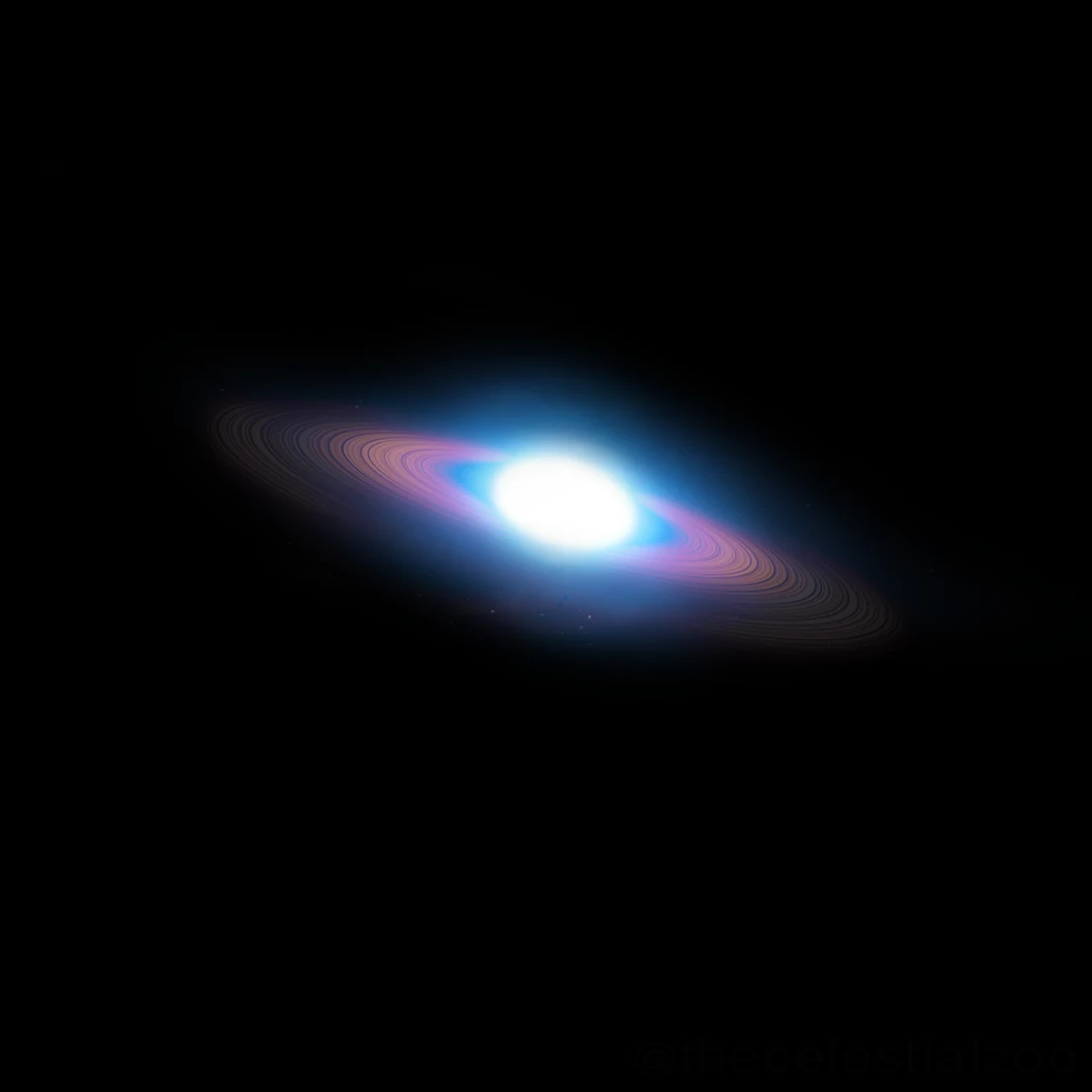
Artist's rendering of the star Vega, a blue-tinged white main-sequence star in the constellation Lyra
Beginner stargazing

How to find the Summer Triangle: three stars, no gear, one June evening

If you step outside tonight around 22:00 local time and face east, you’ll see a bright blue-white star roughly a third of the way up from the horizon. That’s Vega — the fifth-brightest star in the entire sky, magnitude +0.03, and your entry point to the largest asterism of the summer. Vega belongs to a pattern called the Summer Triangle: three stars in three separate constellations that together frame one of the richest stretches of sky visible from northern latitudes. You don’t need a telescope. You don’t need an app, though one helps. All you need is a clear evening and a rough sense of east. ...

June 9, 2026 · 7 min · Andreas Ioannou