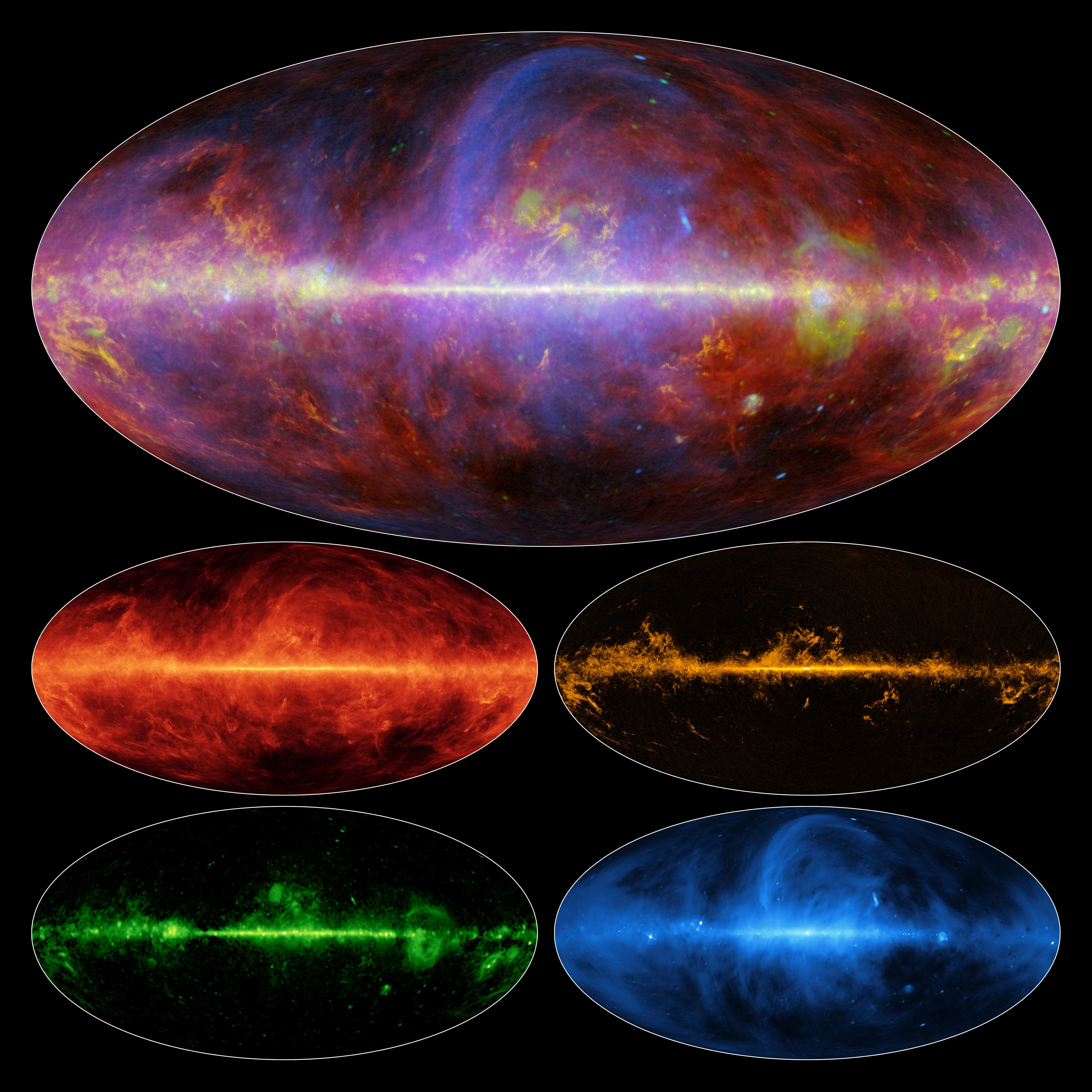
Milky Way Untangled
Gear

How to choose a star tracker for Milky Way season

The Milky Way core is above the horizon from the northern hemisphere between roughly May and September. From my latitude in Nicosia (35°N), the galactic center tops out at about 26° above the southern horizon. Low enough that Troodos at 1,700 m is worth the midnight drive, but high enough to image from anywhere with a clear southern view. If you own a camera and a lens wider than 50 mm, a star tracker is the cheapest single upgrade that turns a noisy 15-second snapshot into a clean, deep wide-field frame. I’ve spent the past few months researching them before committing to one. Here’s what the specs mean and which three models are worth comparing. ...
May 26, 2026 · 7 min · Andreas Ioannou
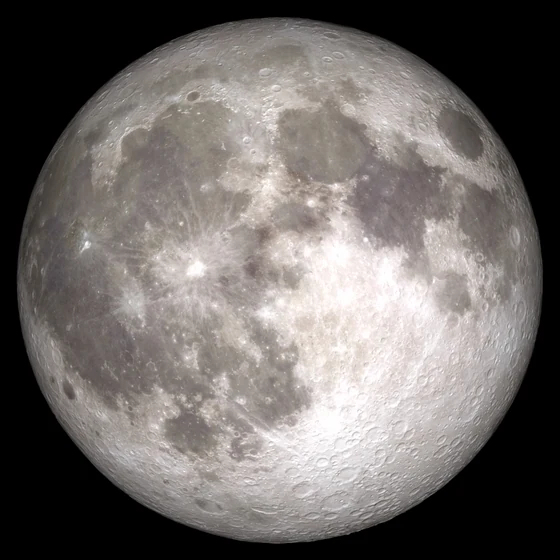
Full disc of the Moon showing maria and craters, imaged by NASA Goddard Space Flight Center
Celestial event

May 31 brings a Blue Micromoon — the smallest full moon of 2026

On May 31 at 08:45 UTC, the Moon reaches full phase for the second time this month. That second-in-a-month qualifier makes it a Blue Moon by the modern calendar definition. It also happens to sit near apogee — 406,135 km from Earth — making it a Micromoon: roughly 5.5% smaller in angular diameter and about 10% dimmer than an average full moon. It’s the most distant full moon of 2026. And if you walk outside that night expecting something visibly unusual, you’ll be disappointed. ...

May 20, 2026 · 6 min · Andreas Ioannou
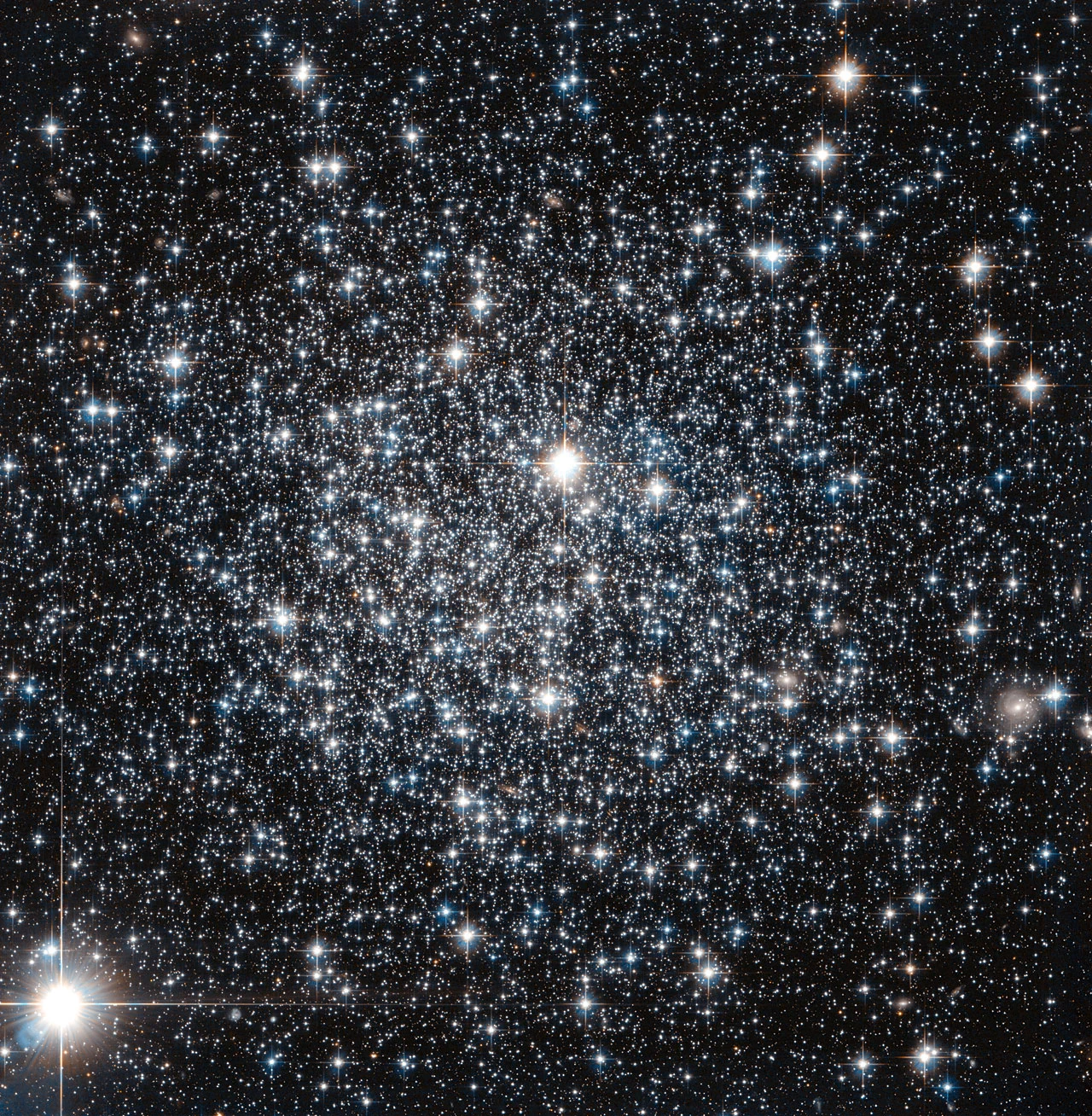
Hubble image of globular cluster IC 4499 — thousands of resolved stars against deep space
Gear

The Seestar S50, six months in: what I'd tell a friend before they buy one

The ZWO Seestar S50 sat on my balcony railing in Nicosia for 47 sessions between November 2025 and April 2026. I pointed it at globulars, planetaries, galaxies, the Moon, and — twice — Jupiter. After six months I know exactly who should buy one and, more usefully, who should save the money for something else. The setup that kept me coming back The S50 weighs 1.5 kg. I carry it out with one hand, set it on the railing, open the app, and I’m imaging within three minutes. No polar alignment, no balance weights, no multi-star alignment routine. The internal plate solver — the same astrometry.net algorithm I wrote about last month — handles pointing. Tap an object, the telescope slews, stacking begins. ...

May 10, 2026 · 7 min · Andreas Ioannou