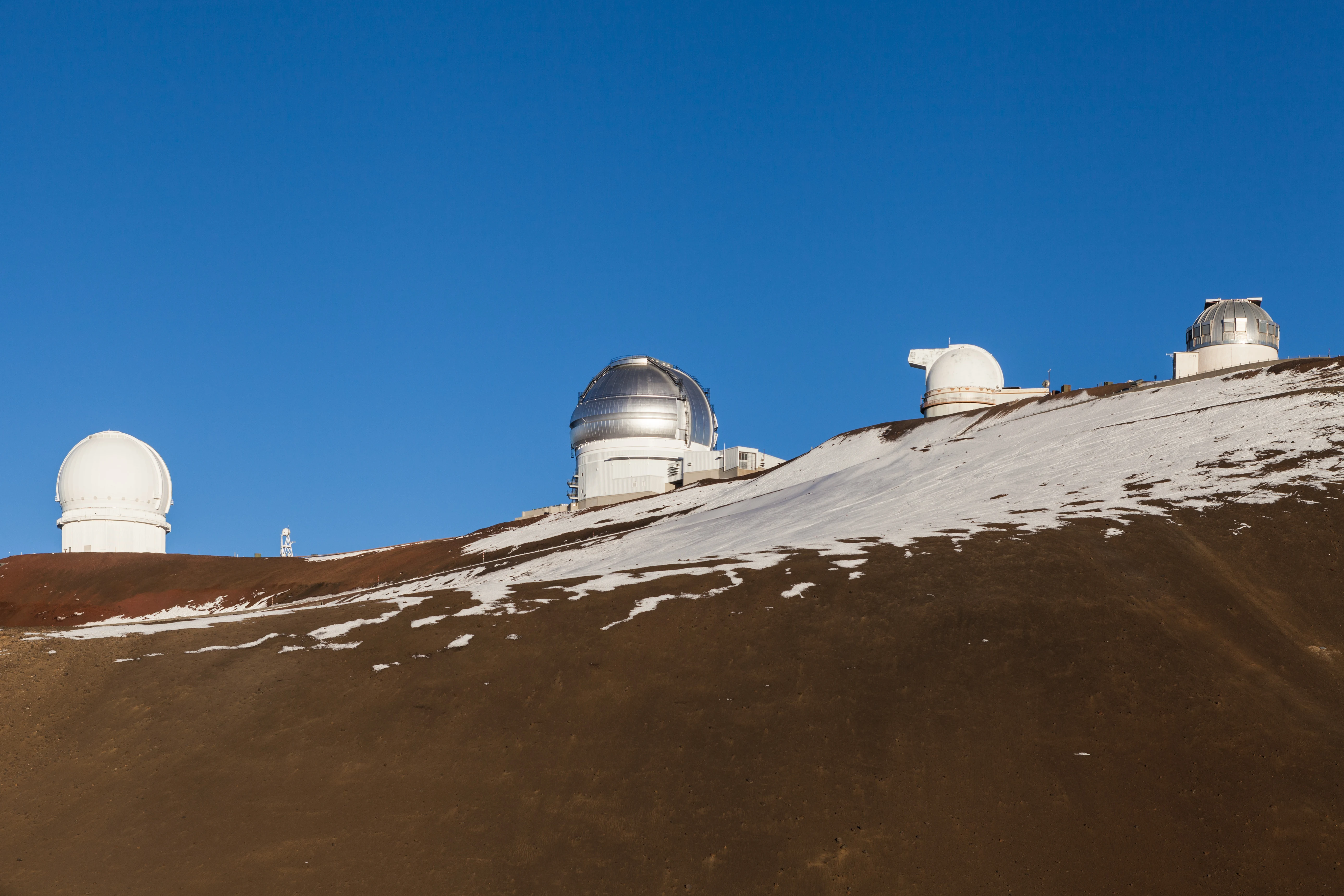
An LSTM forecast Maunakea's seeing two hours ahead. Here's how good it got
A team from the Observatoire de la Côte d’Azur and SISSA trained four machine-learning models on fifteen years of seeing measurements from the summit of Maunakea, then asked each one to forecast the next two hours of atmospheric turbulence. The winner, a long short-term memory network (LSTM), tracked the real seeing with a correlation of 0.965 ten minutes ahead, 0.759 at one hour and 0.672 at two hours. A second model, a normalizing flow called FloTS, came close to that accuracy, with at most 9% more error at any horizon, while also giving a full probability distribution for every forecast step. If you’ve ever stood next to a planetary rig wondering whether the air will settle before Jupiter sinks into the murk, that distribution is the part to care about. ...