A bright bolide with a blue-green trail streaks across the Milky Way over a rocky canyon and a still reflecting pool.
Gear

You don't need a star tracker to shoot the Perseids: the fixed-tripod setup

The single most useful thing I can tell you before the Perseids peak this week: leave the star tracker at home. For meteors you want the opposite of what a tracker gives you: a wide, fixed field of sky and a long run of short exposures, waiting for something to fall into frame. A camera, a fast wide lens, a sturdy tripod, and a cheap intervalometer will catch Perseids all night. That’s the whole kit. ...

August 11, 2026 · 8 min · Andreas Ioannou
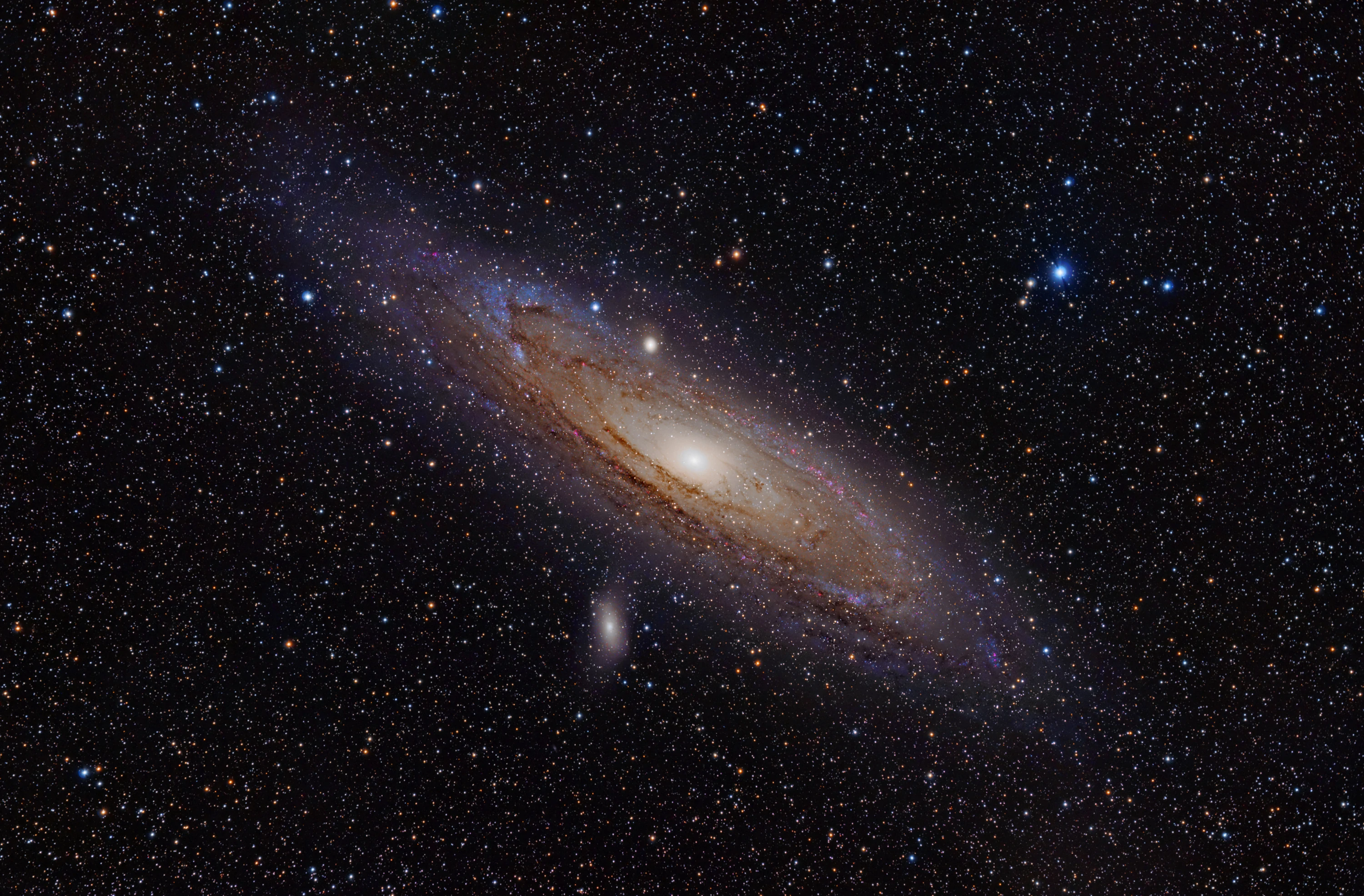
The Andromeda Galaxy (M31), a bright oval spiral tilted almost edge-on with dark dust lanes crossing its glowing white core, surrounded by a dense field of foreground stars, with the small companion galaxies M32 and M110 nearby.
Gear

The Seestar S50 is discontinued — is 30 mm enough from a city balcony?

The ZWO Seestar S50 I reviewed in May is out of production. Walk into the smart-telescope aisle today and the Seestar you can actually buy new is a 30 mm scope: the S30 or the S30 Pro. The “successor” has 20 mm less aperture than the thing it replaced. If you’ve spent any time reading telescope forums, that sentence should make you flinch, because aperture is the one number those forums agree on. The question I keep getting emailed: does a 30 mm smart telescope give up too much from a light-polluted balcony, and should you hunt down a used S50 instead? ...

July 27, 2026 · 8 min · Andreas Ioannou
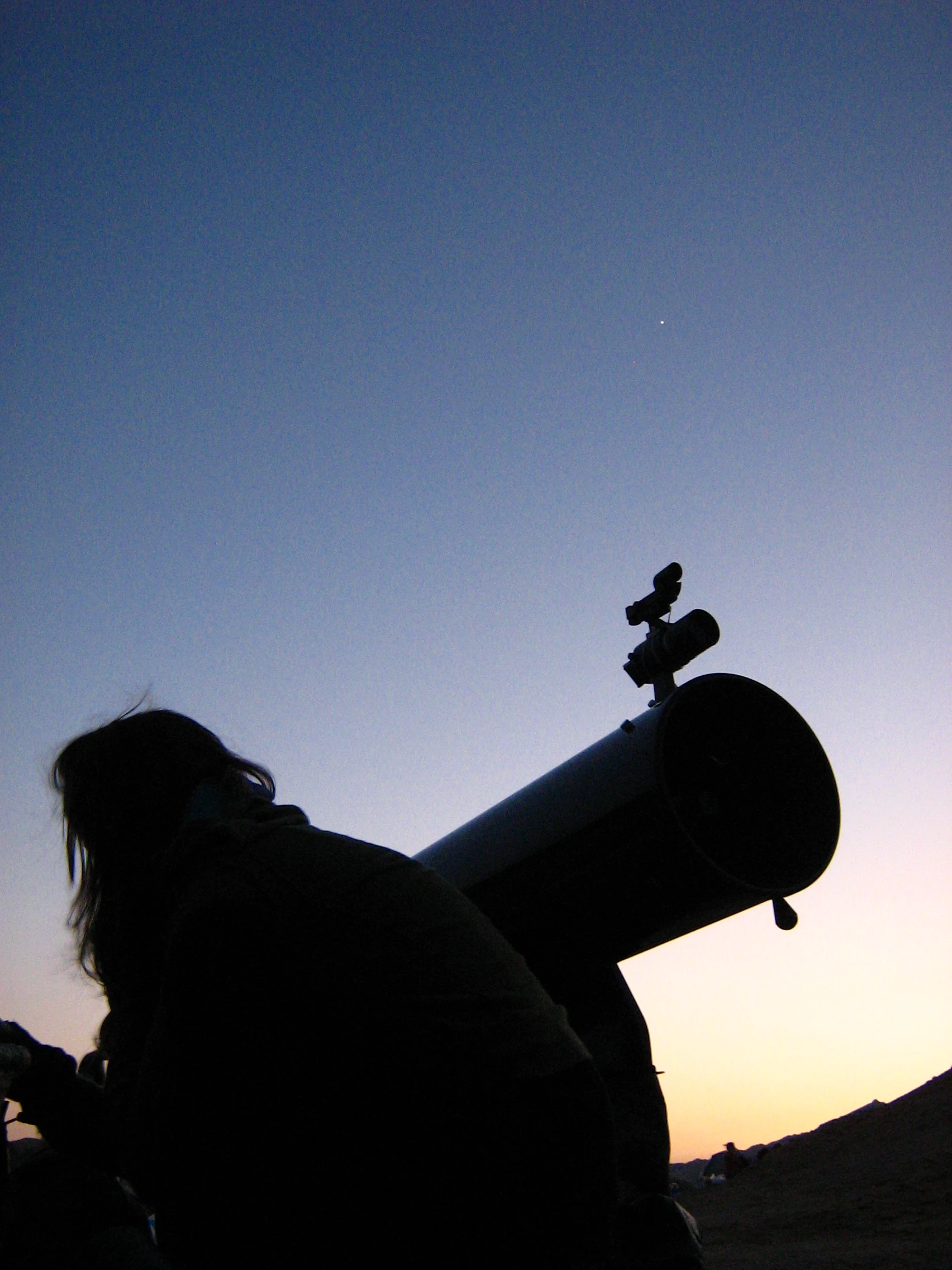
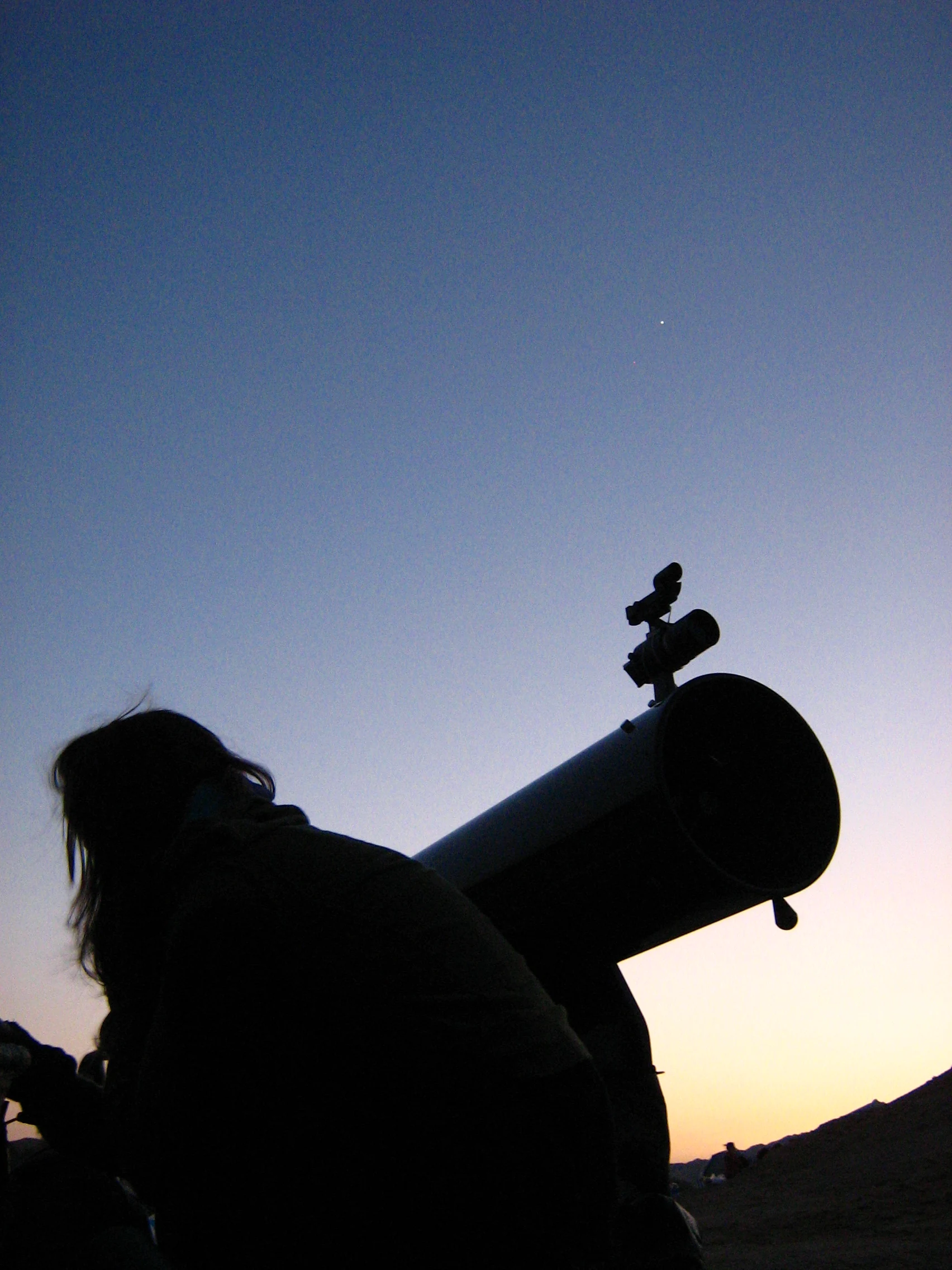
An amateur astronomer stands beside a large Dobsonian telescope at dusk in the Negev desert, ready for a night of observing.
Gear

Your first two eyepieces: what focal length and exit pupil actually mean

The two most useful eyepieces you can own probably aren’t the two that came in the box, and choosing them takes two numbers, not brand loyalty. Your telescope most likely arrived with a 25mm and a 10mm eyepiece. This piece is about what those millimetres actually do, why the 10mm is so uncomfortable to look through, and which two eyepieces to add first so you cover the sky from wide star fields to the cloud belts on Jupiter. No “best eyepiece” ranking. Just the arithmetic, worked on the scopes beginners actually buy. ...

July 14, 2026 · 9 min · Andreas Ioannou
Milky Way Untangled
Beginner stargazing

How to photograph the Milky Way with just your phone

Your phone’s camera sensor is larger, faster, and smarter than anything a dedicated DSLR could offer ten years ago. If you can get yourself under a reasonably dark sky — Bortle 4 or darker — a 2024-or-newer flagship phone will record the Milky Way in a single exposure. No telescope, no star tracker, no laptop in a field at 2 AM. Just the phone, something to prop it against, and about 30 seconds of patience. ...

June 21, 2026 · 7 min · Andreas Ioannou
Hubble image of globular cluster IC 4499 — thousands of resolved stars against deep space
Gear

The Seestar S50, six months in: what I'd tell a friend before they buy one

The ZWO Seestar S50 sat on my balcony railing in Nicosia for 47 sessions between November 2025 and April 2026. I pointed it at globulars, planetaries, galaxies, the Moon, and — twice — Jupiter. After six months I know exactly who should buy one and, more usefully, who should save the money for something else. The setup that kept me coming back The S50 weighs 1.5 kg. I carry it out with one hand, set it on the railing, open the app, and I’m imaging within three minutes. No polar alignment, no balance weights, no multi-star alignment routine. The internal plate solver — the same astrometry.net algorithm I wrote about last month — handles pointing. Tap an object, the telescope slews, stacking begins. ...

May 10, 2026 · 7 min · Andreas Ioannou
Orion over Mount Teide
Gear

Binoculars or a first telescope? What I actually tell beginners in 2026

If you have €120–€180 and you’ve never owned an astronomy instrument, buy a pair of 10×50 binoculars. Don’t buy a telescope. I’ve watched too many friends spend €200 on a wobbly 70mm department-store refractor, see Saturn as a tiny pixel-blur once, and shelve the thing for good. There’s exactly one case where that advice flips, and I’ll get to it. But the default answer, for the person walking into this hobby with no gear and no specific target in mind, is binoculars. ...

May 5, 2026 · 9 min · Andreas Ioannou