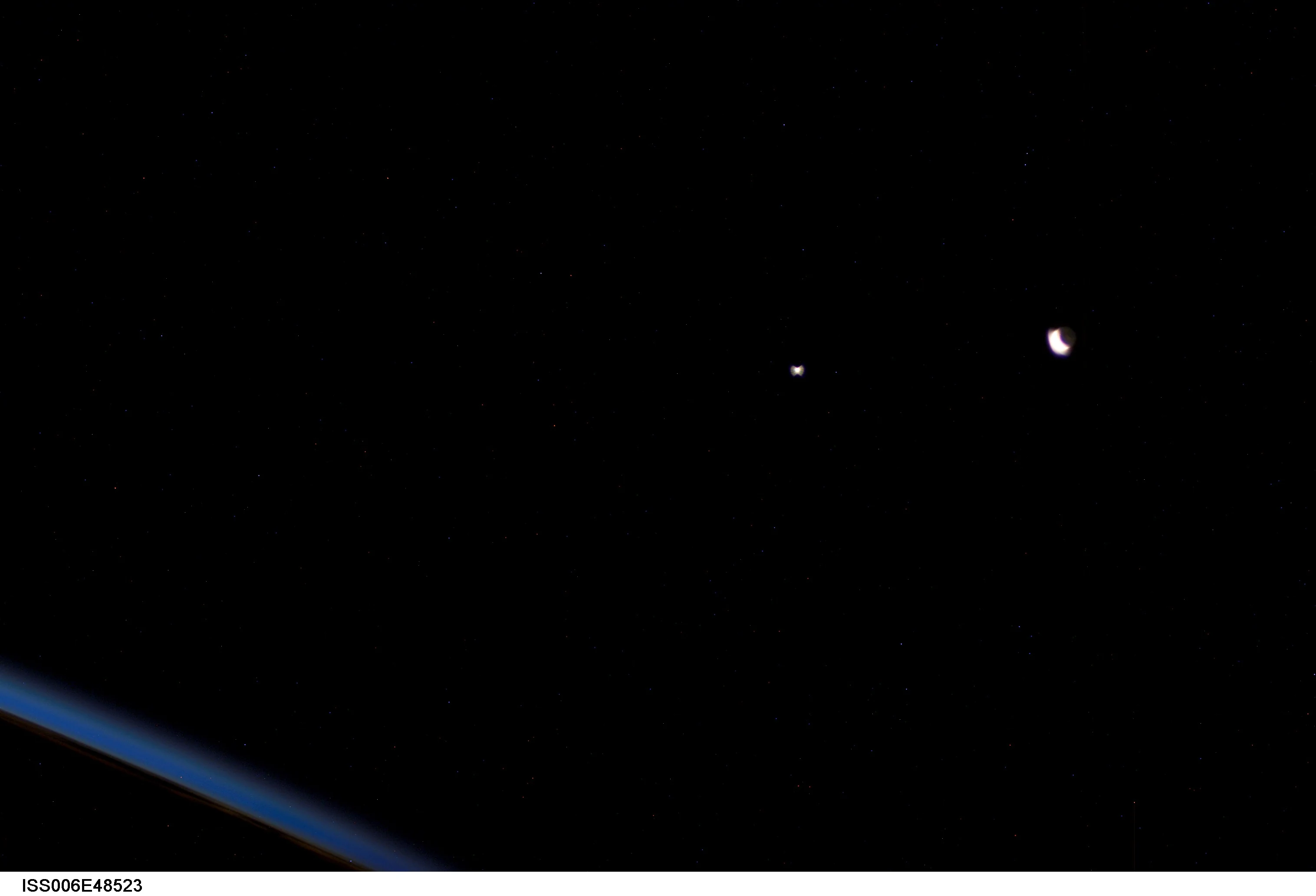
A crescent Moon with faint earthshine at right, the overexposed point of Venus at center, and Earth's blue atmospheric limb at lower left, photographed from the ISS
Celestial event

Venus hits its brightest for 2026 on September 18 — catch it low in the west now

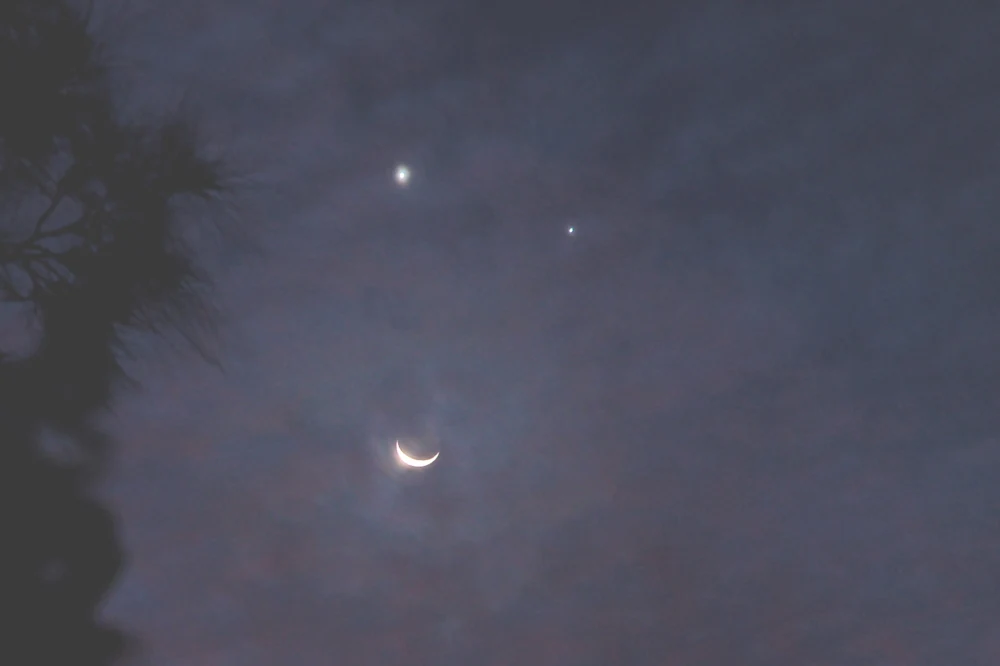
Venus is about to be the brightest it gets all year. On the evening of September 18, 2026, it reaches greatest brilliancy at about magnitude −4.8, outshining everything in the sky except the Sun and Moon. The catch, if you’re watching from the eastern Mediterranean like I am at 35°N, is that this is a low, quick apparition: Venus sits close to the western horizon after sunset and drops out of view inside about an hour. You don’t need any gear — it’s a naked-eye object that punches straight through city light — but you do need a clear line to the west-southwest and the discipline to be outside on time. The best single evening is September 14, when a thin crescent Moon parks within 5° of it. ...

September 2, 2026 · 7 min · Andreas Ioannou
Venus, Moon, and Jupiter in conjunction above the horizon
Celestial event

Venus–Jupiter conjunction on June 9: both planets fit in one binocular view

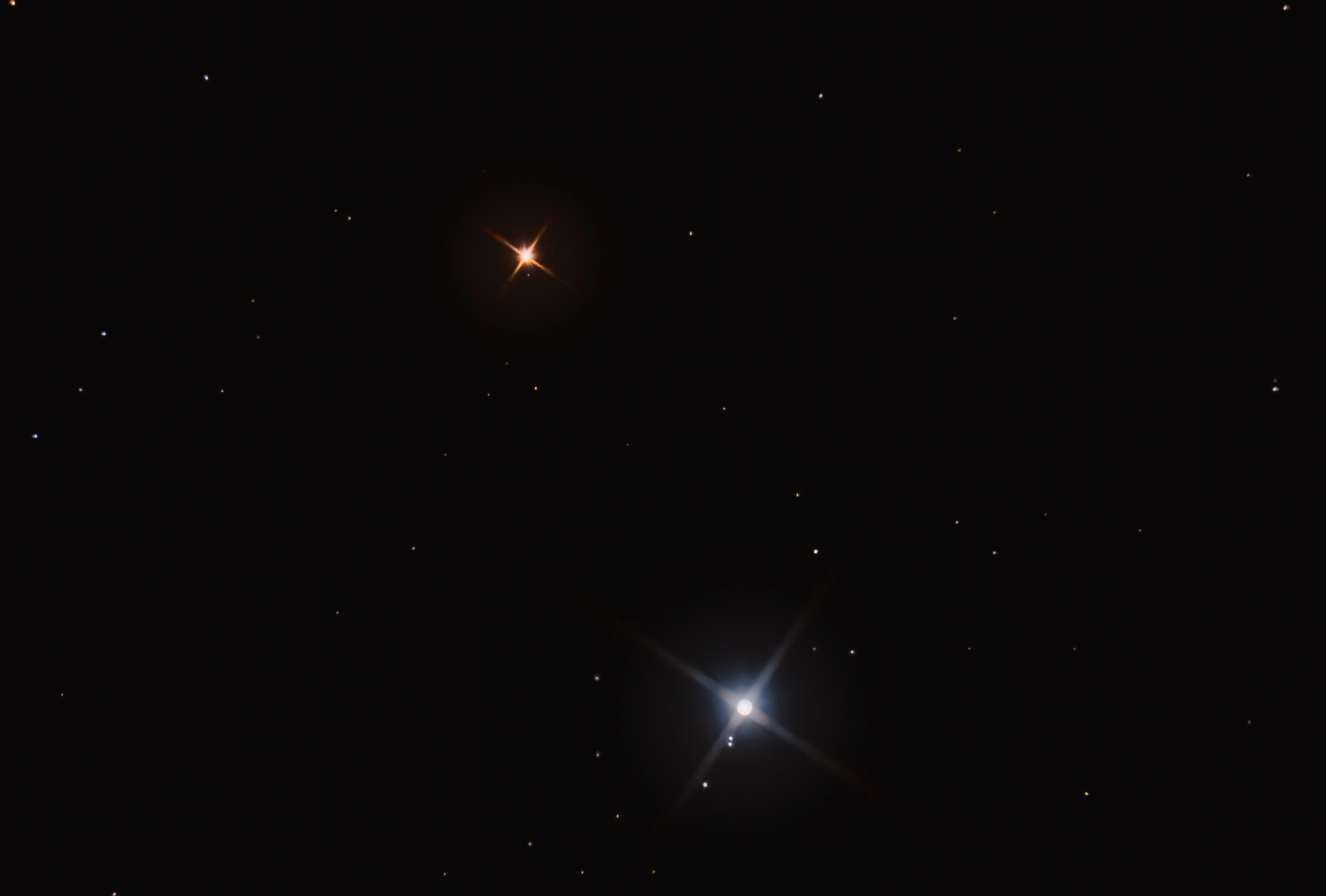
On the evening of June 9, Venus and Jupiter close to within roughly 1.5° of each other, about three full-moon widths, low in the western twilight. Venus, near magnitude −4, is the brighter of the two. Jupiter sits at about magnitude −2, dimmer but impossible to miss. Both planets fit comfortably inside a standard binocular field of view, and you don’t need anything more than your eyes to enjoy the pairing. The show runs for the better part of a week on either side of the closest approach, so one cloudy night won’t ruin it. ...

June 2, 2026 · 7 min · Andreas Ioannou
Four planets aligned above the horizon in the predawn sky, photographed from Brisbane, Australia
Beginner stargazing

Five planets you can see without a telescope this June

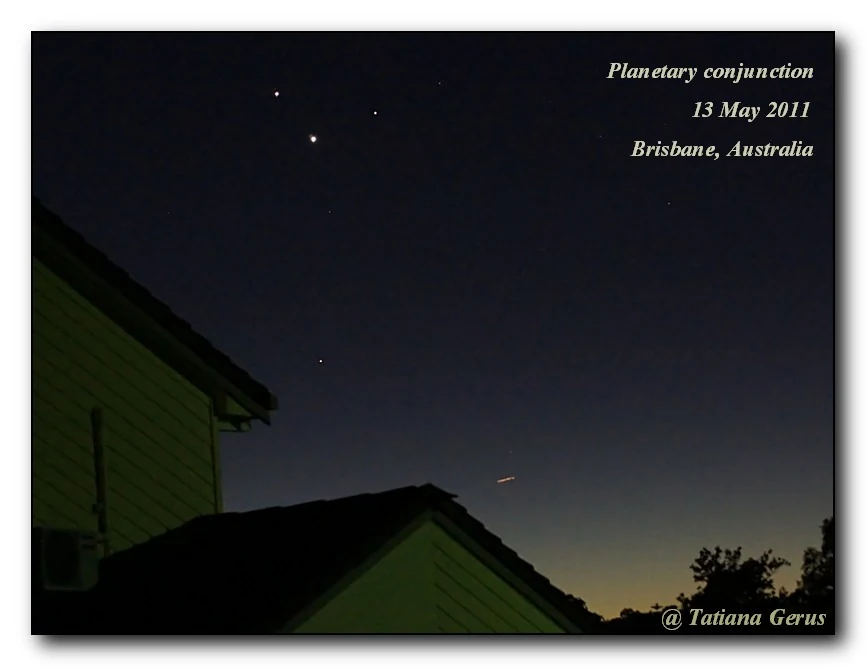
All five naked-eye planets are out this June, split between the evening and morning sky. The headline act: Venus and Jupiter converge to within 1°38’ of each other on June 9, the two brightest objects in the night sky after the Moon, close enough to cover both with your thumb at arm’s length. You don’t need a telescope, a dark sky, or any experience. Here’s where and when to look. ...

May 28, 2026 · 6 min · Andreas Ioannou