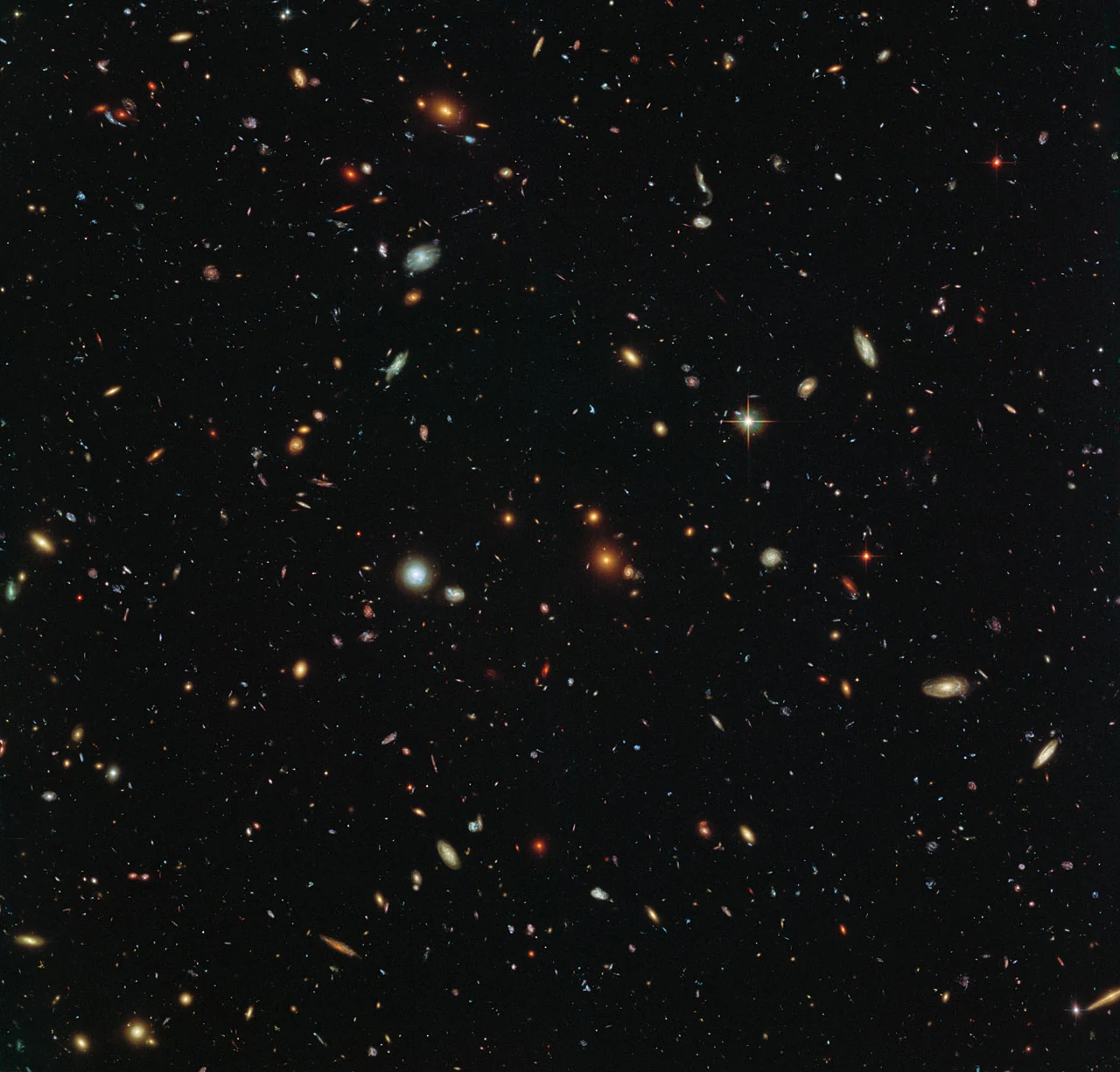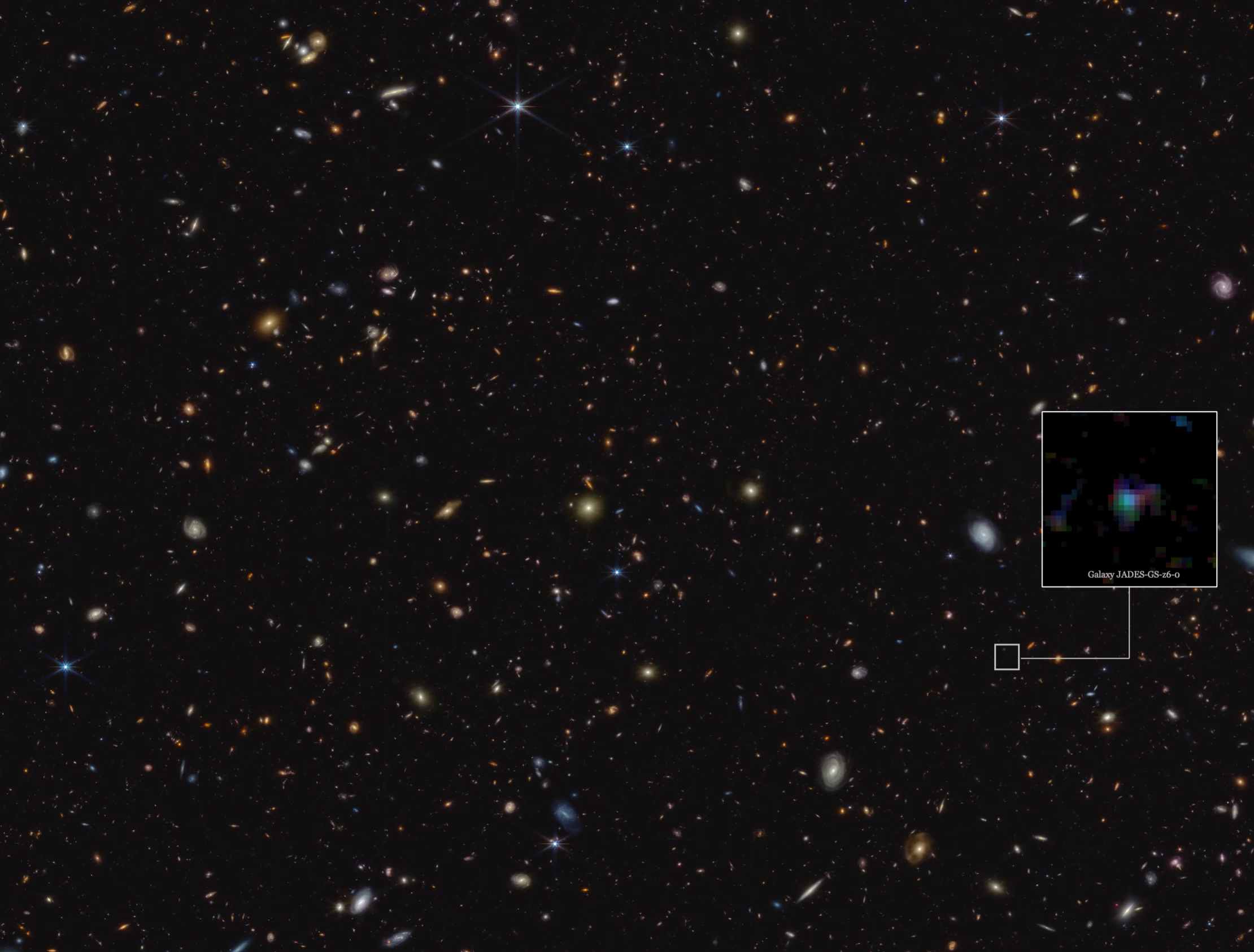
Thousands of galaxies in the Hubble Frontier Fields parallel observation near Abell 2744, showing the deep universe in the constellation Sculptor
Space science

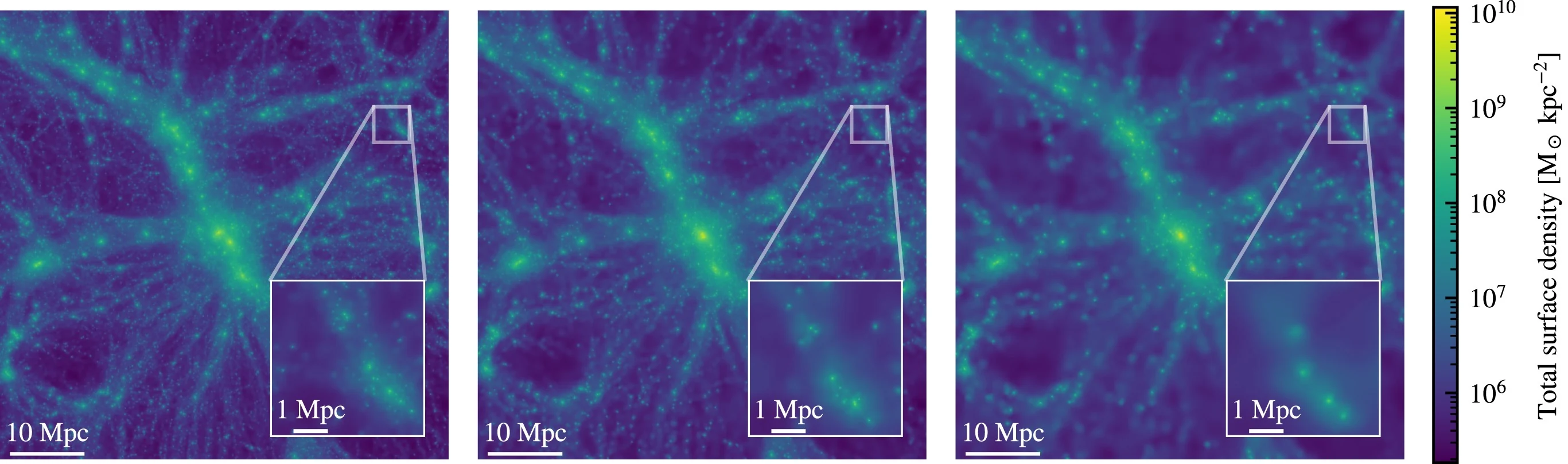
JWST's largest survey mapped the cosmic web across 13 billion years

When you look at galaxies through a telescope — scattered across the field like grains on dark cloth — it’s tempting to think they’re placed at random. They aren’t. Galaxies live on a structure so vast that the only metaphor that survives at scale is a web: long filaments of matter, hundreds of millions of light-years across, connecting dense knots of galaxy clusters and skirting nearly empty voids. This month, the largest survey JWST has carried out gave us the clearest map of that web to date, tracing it back to a time when the universe was barely a billion years old. ...

May 17, 2026 · 7 min · Andreas Ioannou
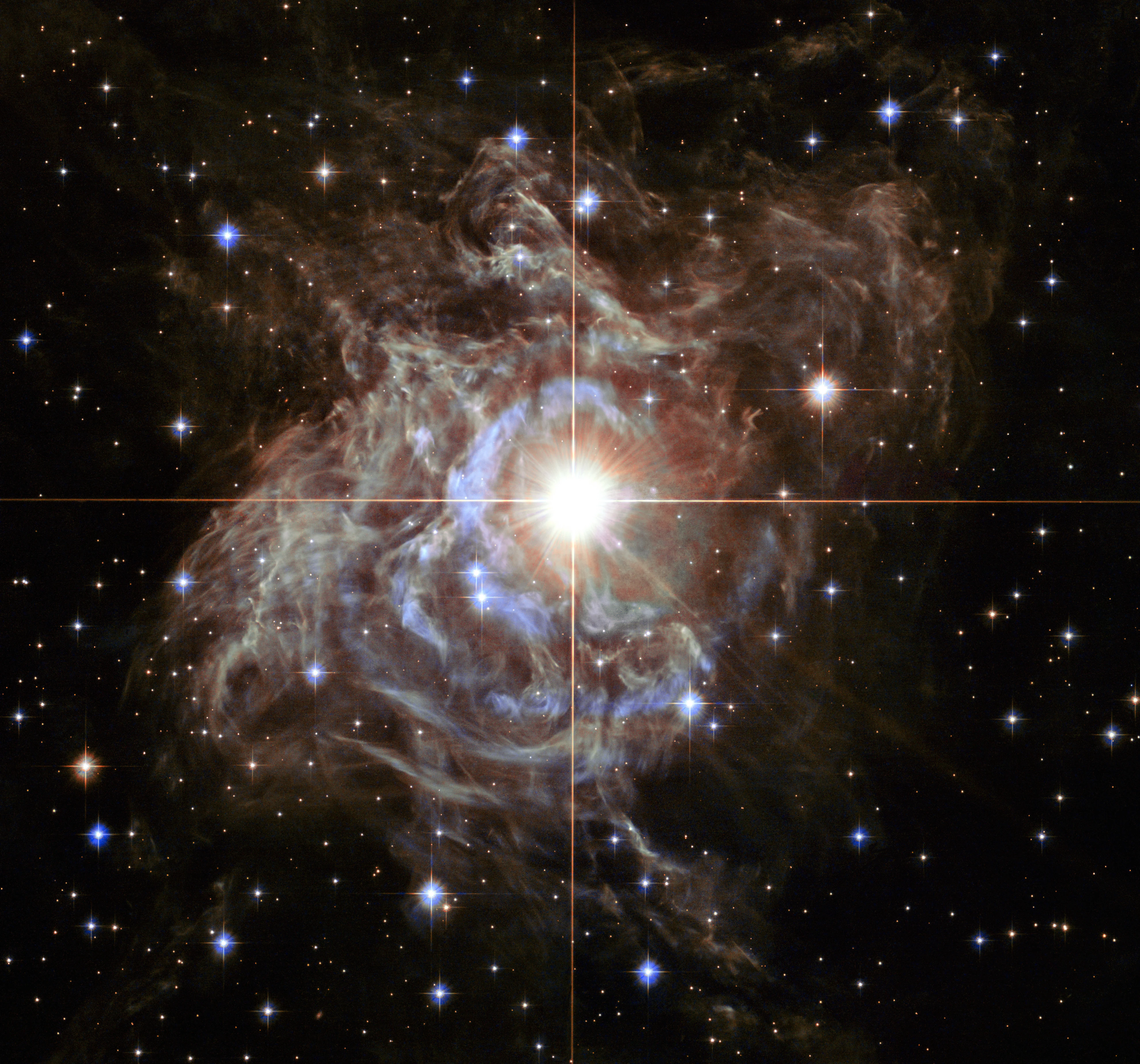
The Cepheid variable star RS Puppis at the centre of a thick reflection nebula, photographed by Hubble
Space science

The cosmic distance ladder: how astronomers measure distances from the Moon to the edge of the universe

When I tell people the Andromeda galaxy is 2.5 million light-years away, the next question is almost always: how do you know? It’s a fair question. We’ve never sent anything past the outer edge of the Kuiper belt. The fastest probe humanity has ever launched would still take roughly 70,000 years to reach the nearest star. So how does anyone get from “I’m staring at a smudge above the rooftops of Nicosia” to “that smudge is around 24 quintillion kilometres away”? ...

May 3, 2026 · 9 min · Andreas Ioannou