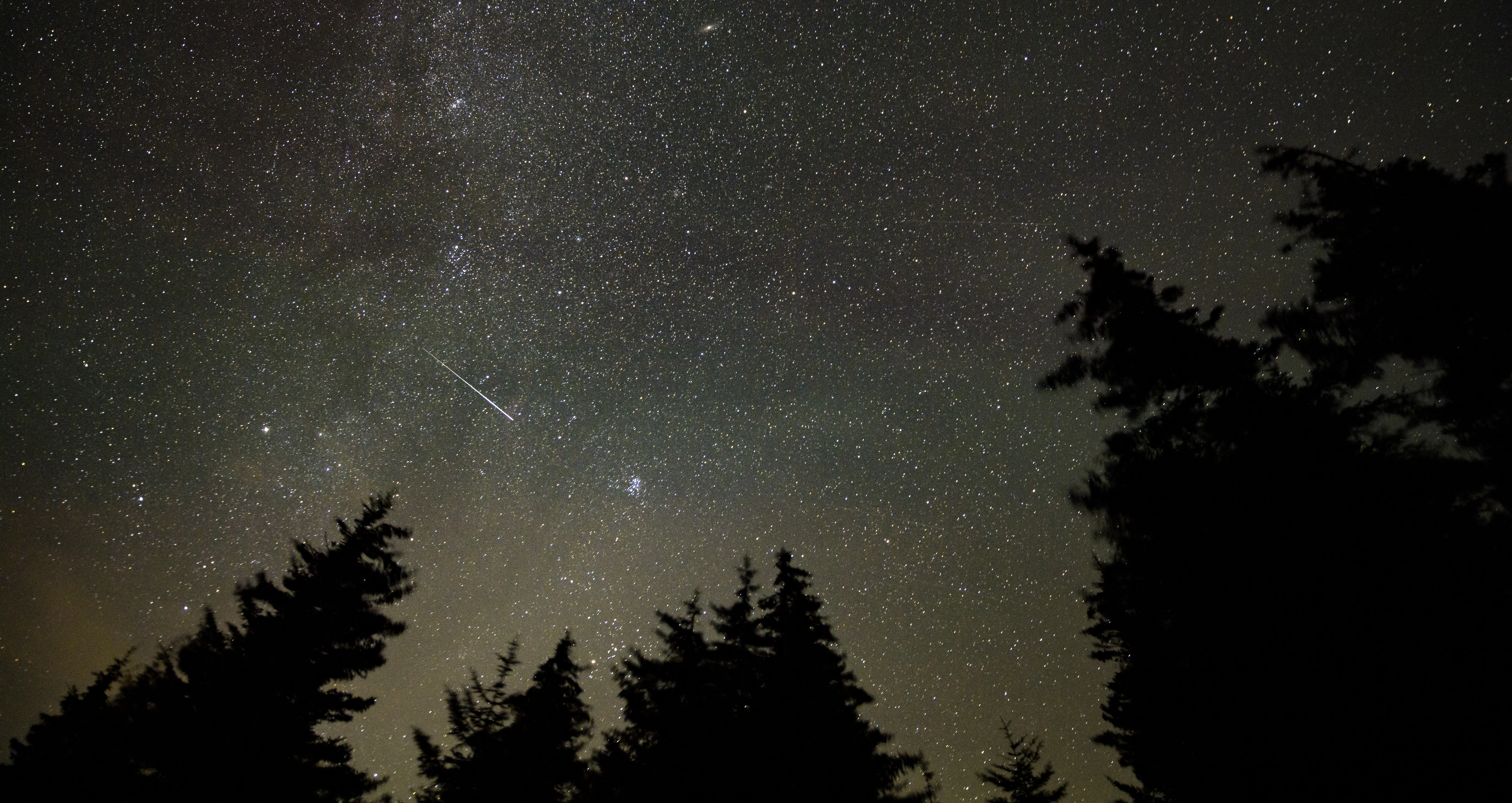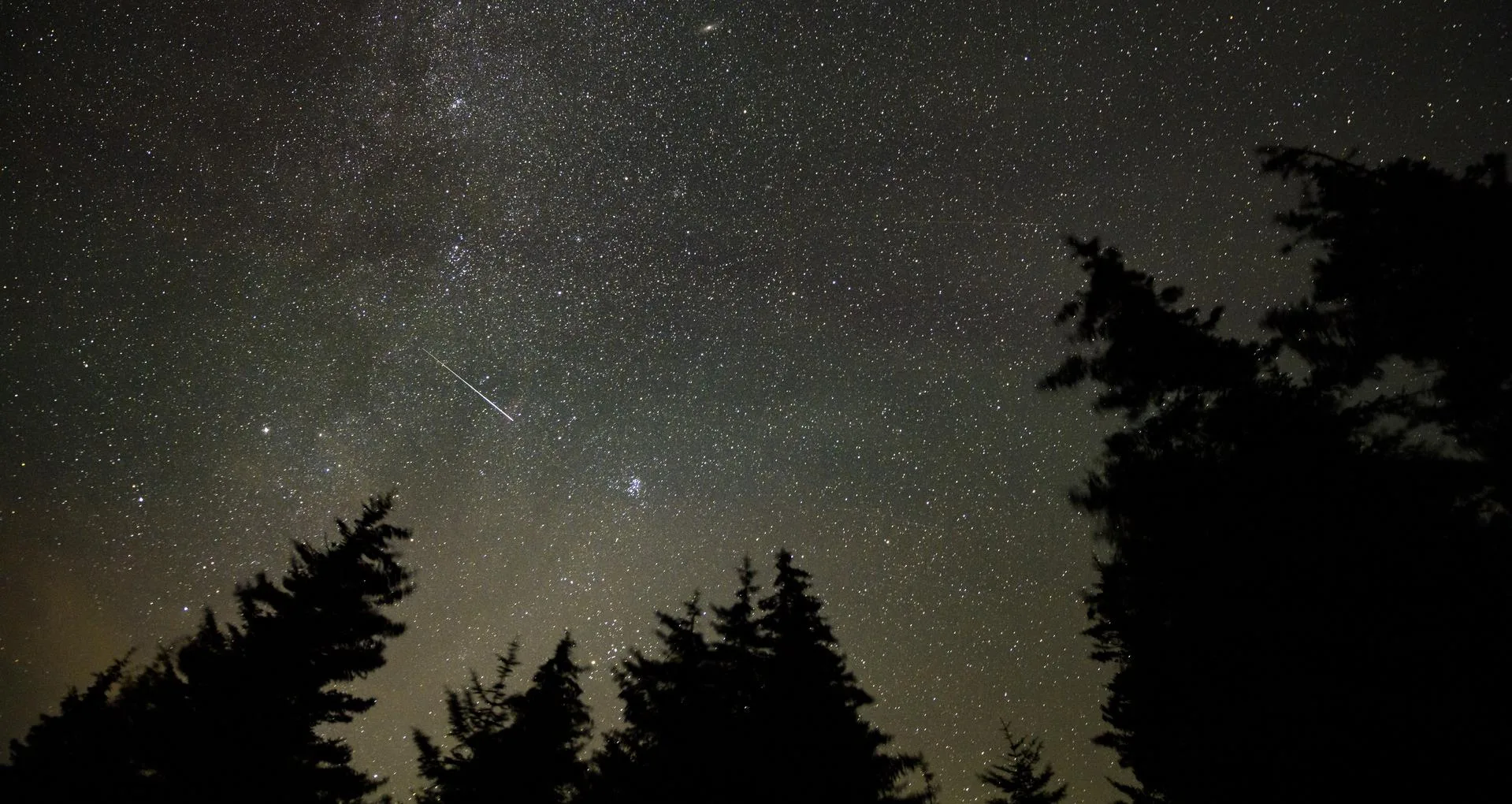
A bright meteor streaks across the Milky Way during the Perseid meteor shower, photographed in a 30-second exposure from Spruce Knob, West Virginia
Celestial event

Eta Aquariids 2026: what to expect from tonight's peak with an 84% moon

The Eta Aquariids peaked at 03:51 UTC on May 5, but this shower has a broad maximum — activity tonight and tomorrow morning (May 6–7) will be nearly as strong as peak night. The problem isn’t timing. It’s the moon: an 84%-illuminated waning gibbous will sit above the horizon during the entire pre-dawn window when the radiant is highest. That cuts your visible count roughly in half compared to a moonless year. ...

May 6, 2026 · 6 min · Andreas Ioannou
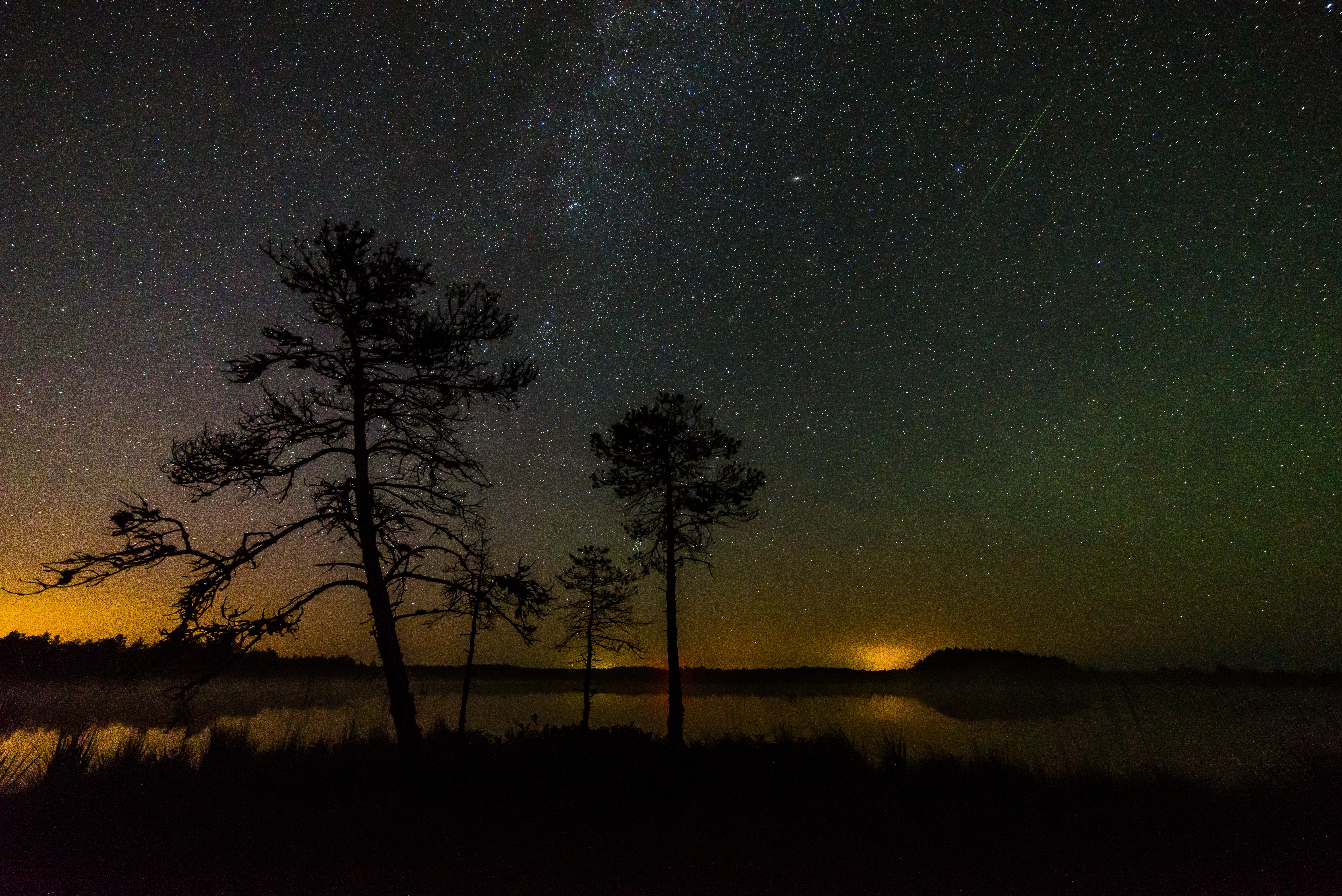
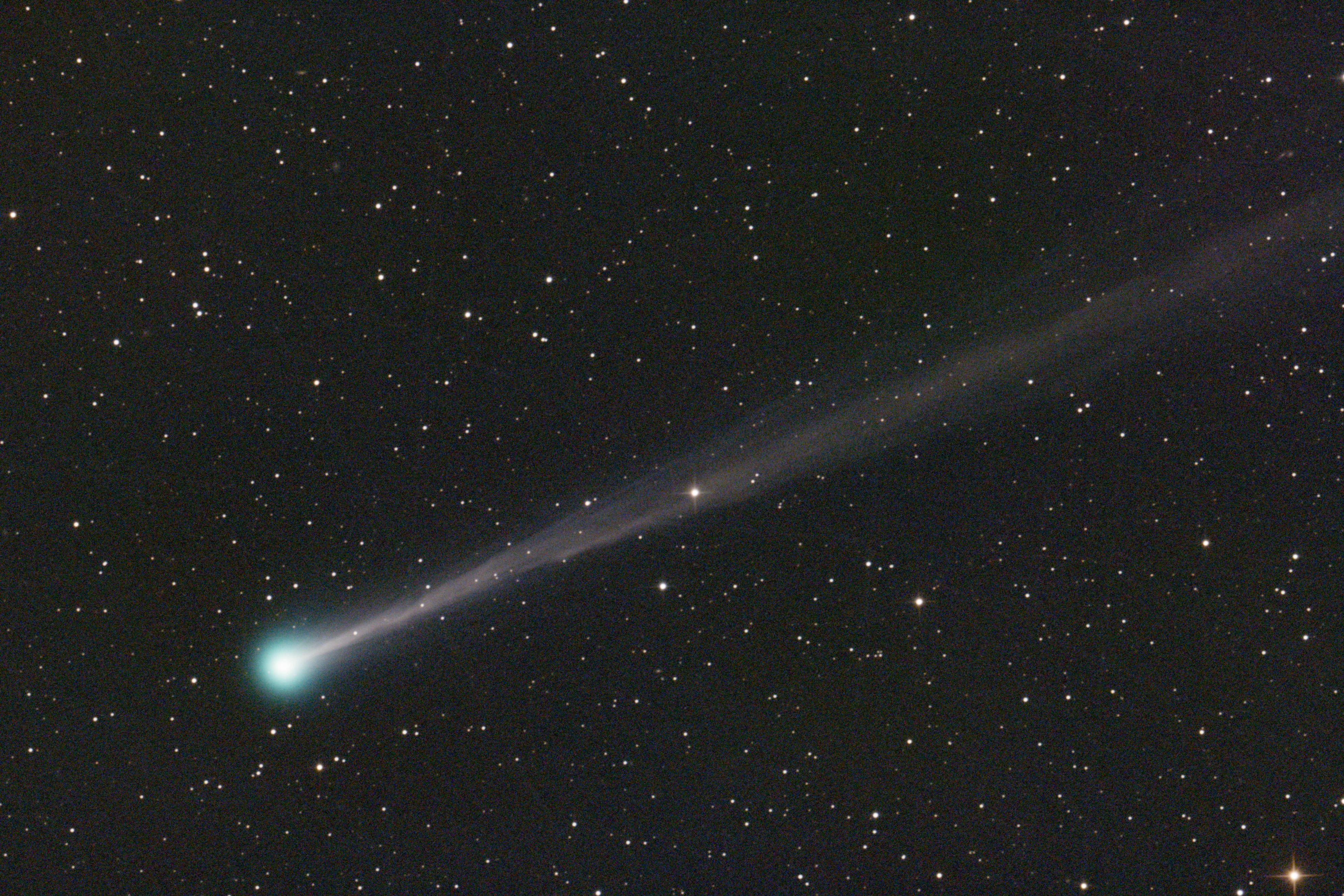
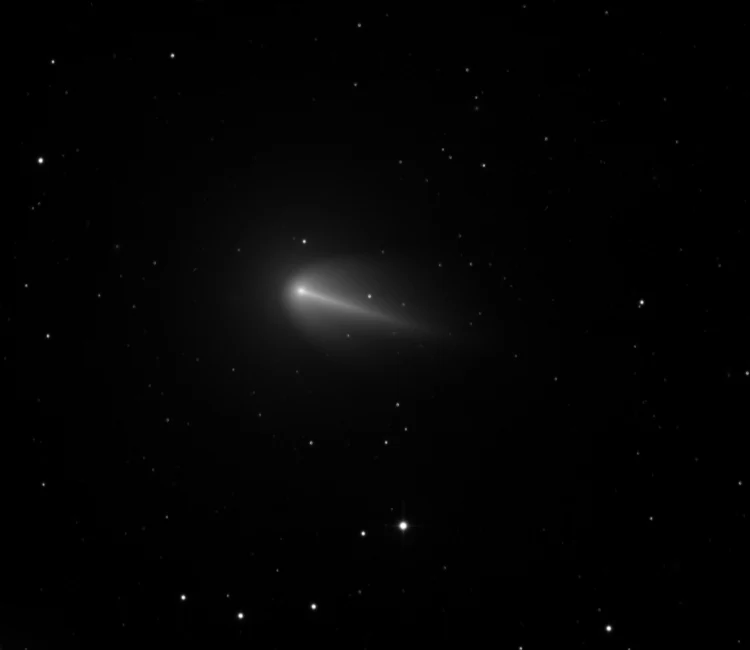
C2025 R3 (PanSTARRS) on 8 April 2026
Celestial event

Comet C/2025 R3 (PanSTARRS) after perihelion: an honest field report from 35°N

Comet C/2025 R3 (PanSTARRS) passed perihelion on April 19, 2026 at 0.499 AU from the Sun, then made its closest pass of Earth on April 26 at 0.489 AU (about 73 million km). For a few days around peak it pulled to roughly magnitude +3 to +5, depending on whose visual estimate you trust on the COBS database. Bright enough to spot in dark-sky binoculars, faint enough that nobody from the Northern Mediterranean was going to call it a naked-eye showpiece. ...

April 28, 2026 · 8 min · Andreas Ioannou
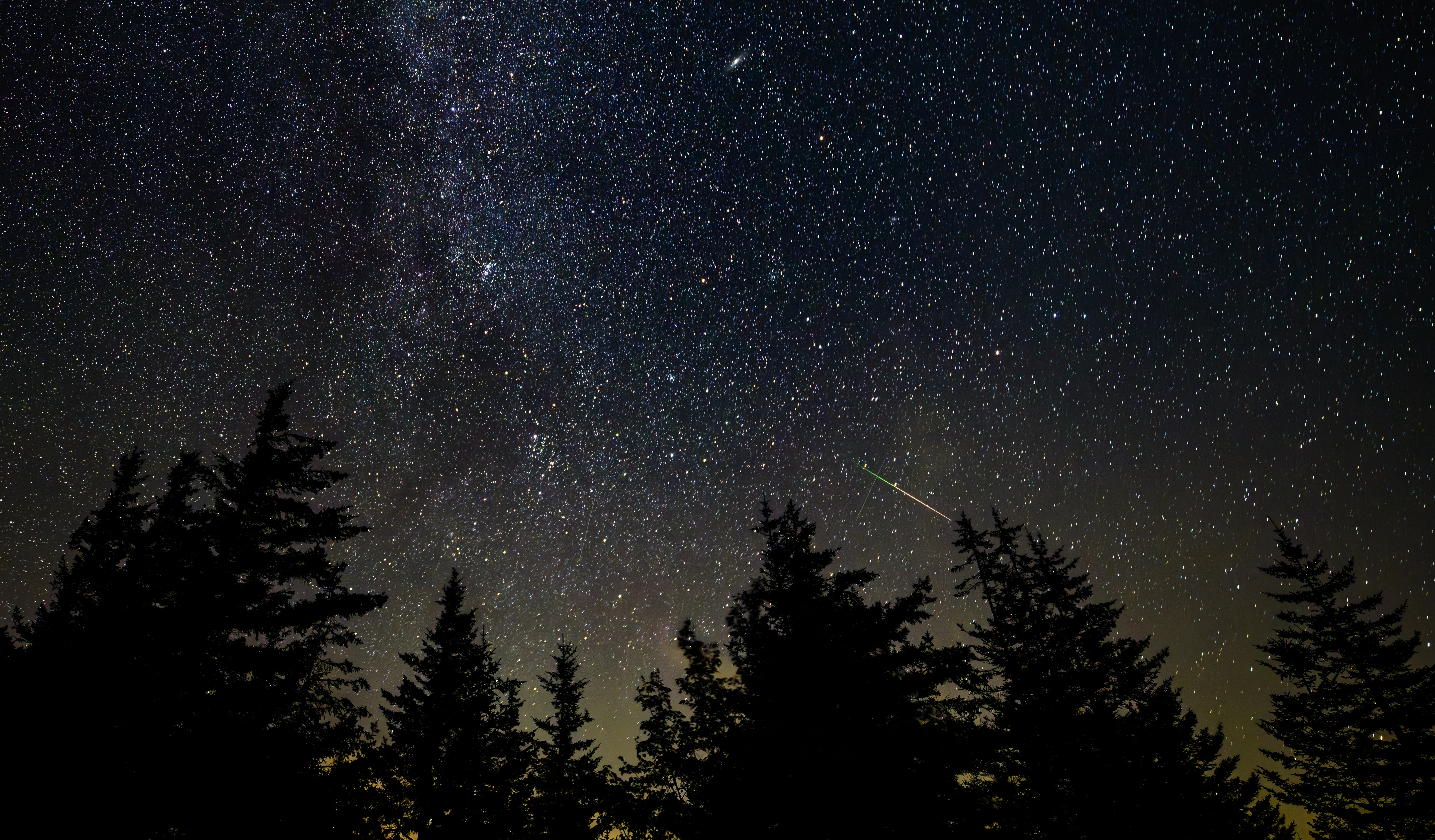
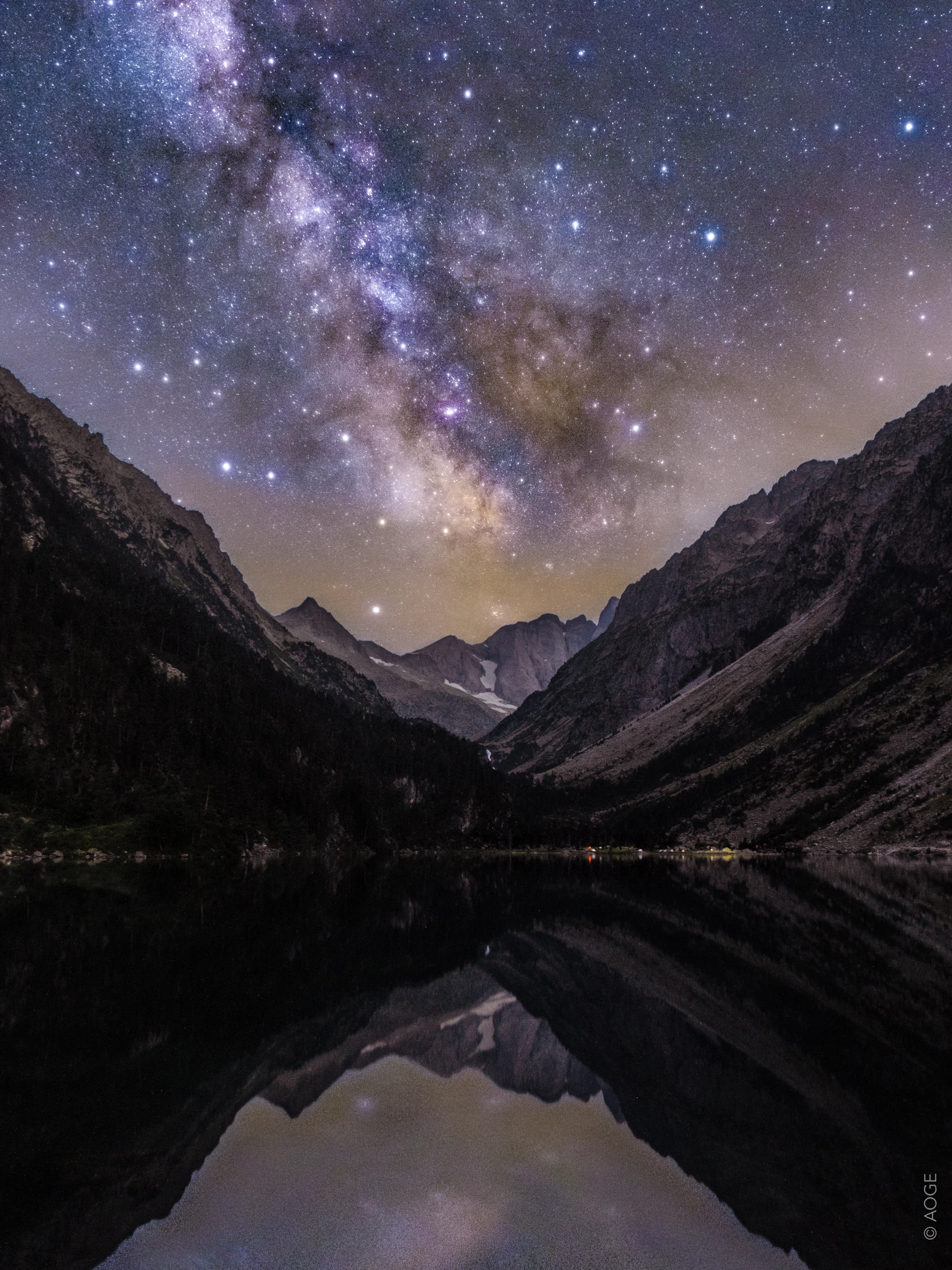
The Milky Way arching over a mountain valley, with stars reflected in a high-altitude lake
Astrotourism

Stargazing from Troodos: a practical guide to Cyprus's mountain dark sky

If you live anywhere on Cyprus, you can be under SQM 21.3 skies in 90 minutes. The Troodos massif covers the central third of the island, peaks at 1,952 m on Mount Olympus, and is the only place on Cyprus with both real darkness and paved roads to it. From my balcony in Nicosia (Bortle 7, SQM around 19.0 on a good night), the difference is roughly two visual magnitudes. The Milky Way goes from “you can almost see it” to “you can read your watch by it.” ...

April 26, 2026 · 9 min · Andreas Ioannou
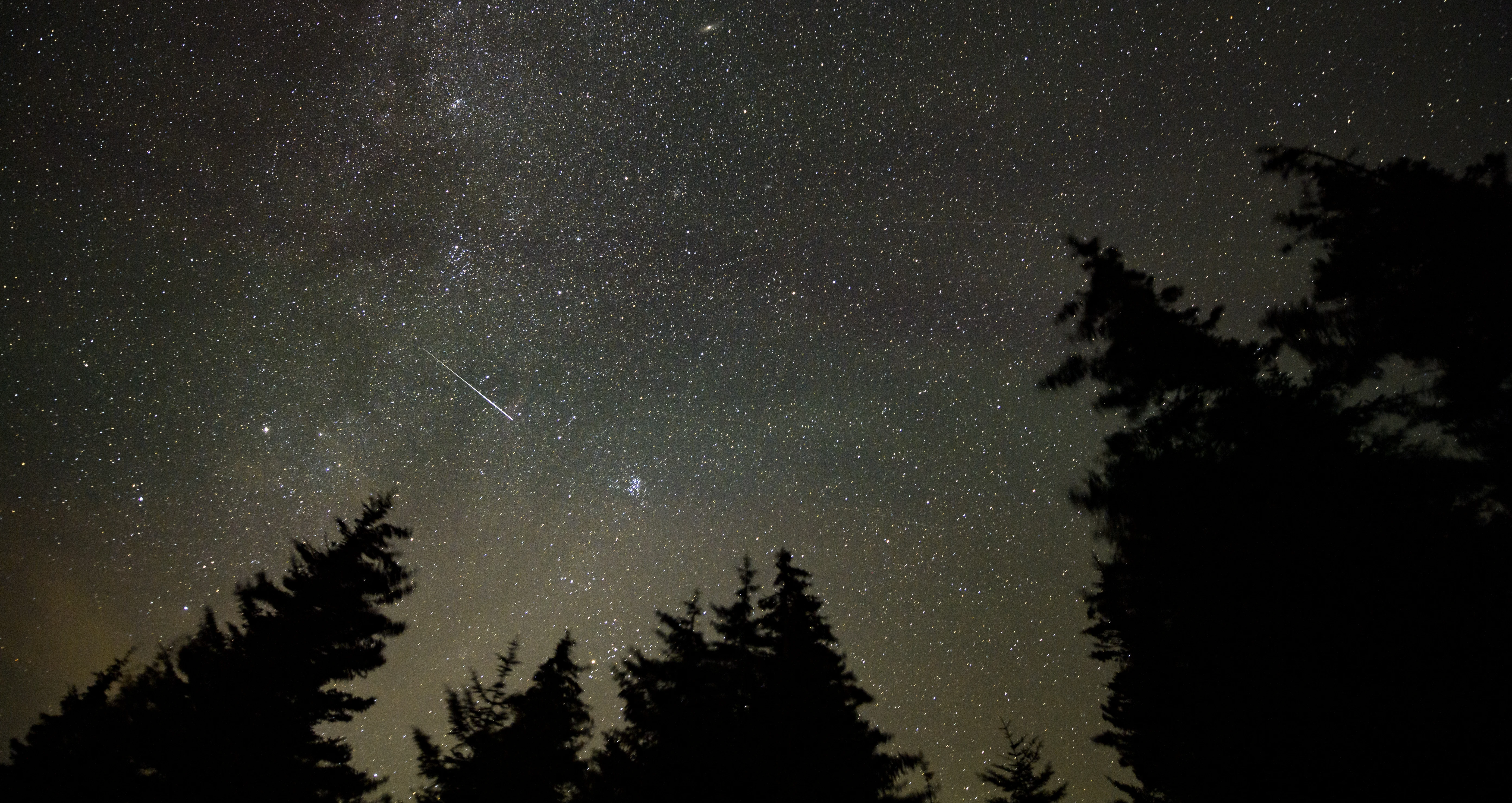
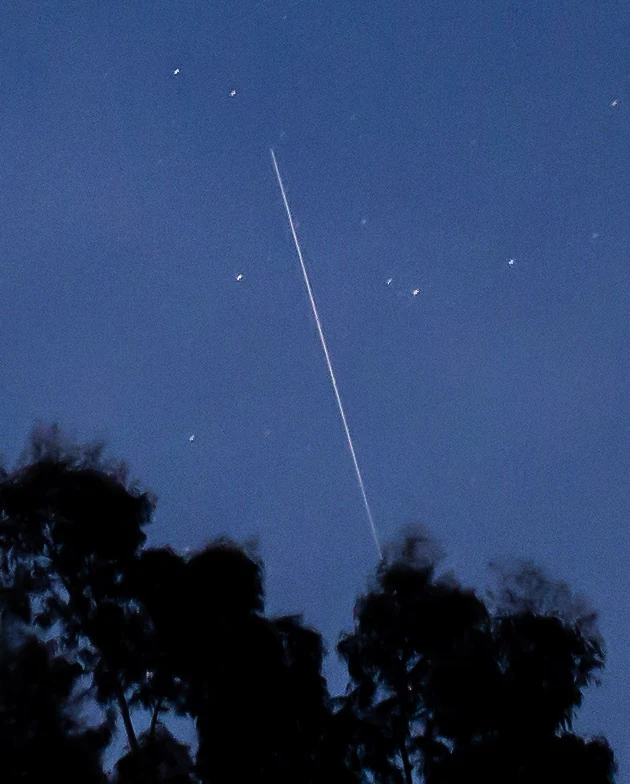
A Lyrid meteor streaks across a dark starfield in this 2022 photograph
Celestial event

The 2026 Lyrids are done. The Eta Aquariids are next, and the moon is going to fight you

The Lyrids peaked around 19:40 UT on April 22 — essentially yesterday evening for anyone in Europe. Conditions were as good as this shower gets: a new moon on April 17 meant only a thin crescent in the sky, and it set before 10 pm local, leaving the prime post-midnight hours properly dark. Under a clean dark site the International Meteor Organization expected 18–20 meteors per hour at the peak. From a light-polluted backyard, Space.com put realistic rates closer to 8–12/hour. ...

April 23, 2026 · 7 min · Andreas Ioannou