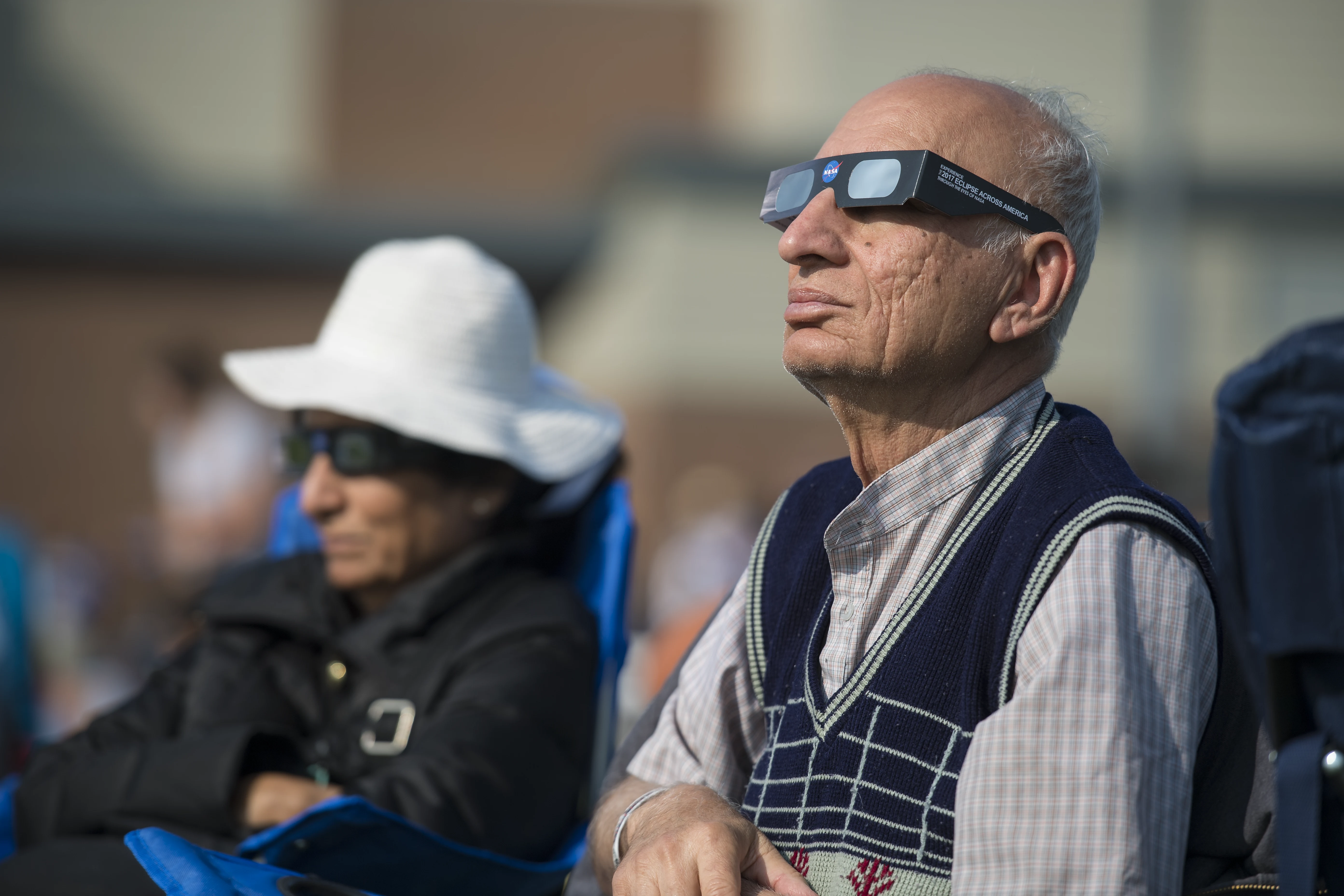
A man and a woman watch the 2017 total solar eclipse through cardboard eclipse glasses in Madras, Oregon
Celestial event

How to watch the August 12 solar eclipse safely (and what you'll actually see)

From my balcony in Nicosia I’ll see nothing on August 12. The Moon’s shadow doesn’t reach the eastern Mediterranean, so from Cyprus the Moon never crosses the solar disc at all. This is the guide I’d hand a friend who can get themselves somewhere the eclipse actually happens, whether that’s the path of totality across northern Spain or a deep partial from a back garden in London. One rule matters more than everything below it: until the Sun is 100% covered, you look through a certified solar filter or you don’t look at all. Not at 90 percent, not at 99. And if you aren’t standing inside the narrow path of totality, that means filters on for the whole eclipse, first bite to last. Everything else here is built around that line. ...
July 2, 2026 · 9 min · Andreas Ioannou
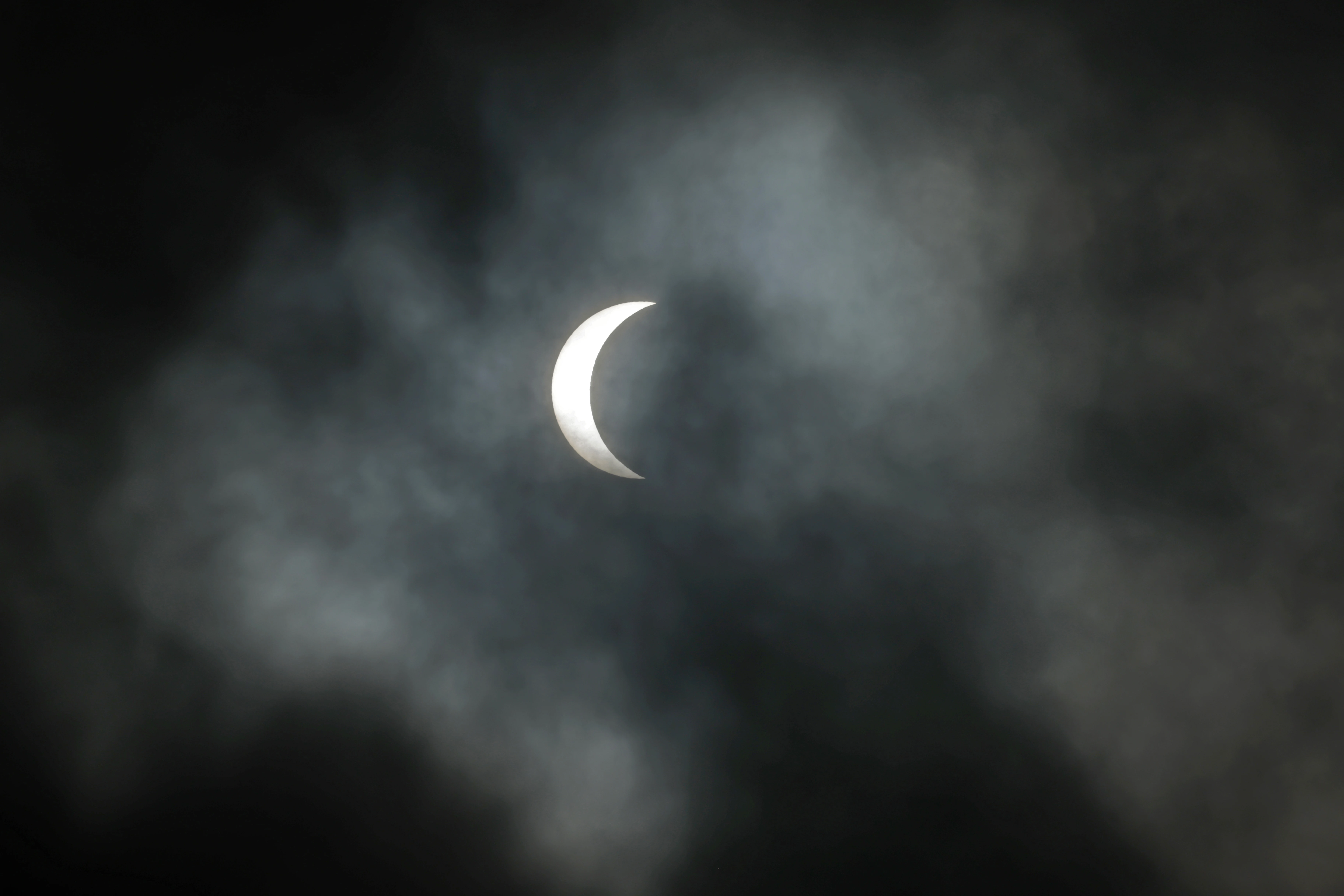
Partial Solar Eclipse in New Orleans
Gear

What solar filter to buy for the August 12 eclipse

The August 12 total solar eclipse is 55 days out. If you’re planning to photograph it, point a telescope at it, or just watch the partial phases safely, you need a solar filter. Prices are still normal and stock is still available. By late July neither will be true. Here’s what the numbers on the label mean, which filters are worth the money, and what I’m packing for Spain. The one number on every solar filter: optical density Every solar filter blocks a fraction of the Sun’s light. The spec you care about is optical density (OD), a logarithmic scale. OD 5 means only 10^-5 of the incoming light gets through — one hundred-thousandth. OD 4 passes ten times more. That factor of ten is the line between safe for your eyes and not. ...

June 18, 2026 · 7 min · Andreas Ioannou