How Euclid's AI finds gravitational lenses: five neural networks and a million galaxies
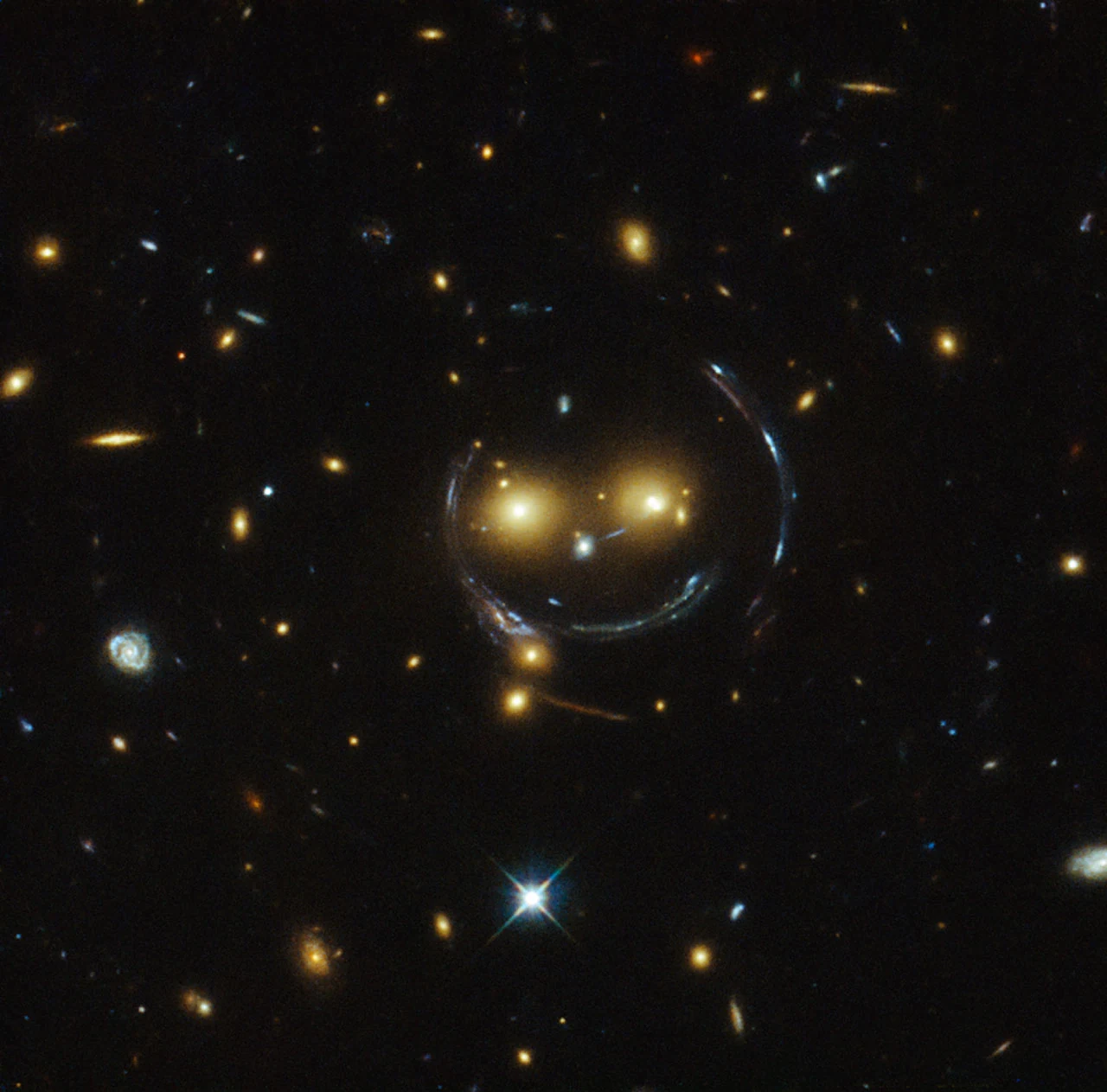
Euclid’s first quick data release covered 63 square degrees, about 0.45% of the sky the mission will eventually map, and in that sliver it turned up 497 galaxy-galaxy strong gravitational lenses. Of those, 250 are grade A candidates, and 243 had never been published before. In one fraction of one percent of the survey, the team doubled the number of strong lens candidates ever found with space-based imaging. That’s the headline. The part I keep coming back to, as someone who spent years training image classifiers before I spent my evenings pointing a Seestar off a Nicosia balcony, is how they did it. It wasn’t one clever network. It was five different neural networks feeding a funnel of human eyes, and the honest lessons about which models worked, where they failed, and why you still can’t cut the humans out are more interesting than the pretty arcs. ...