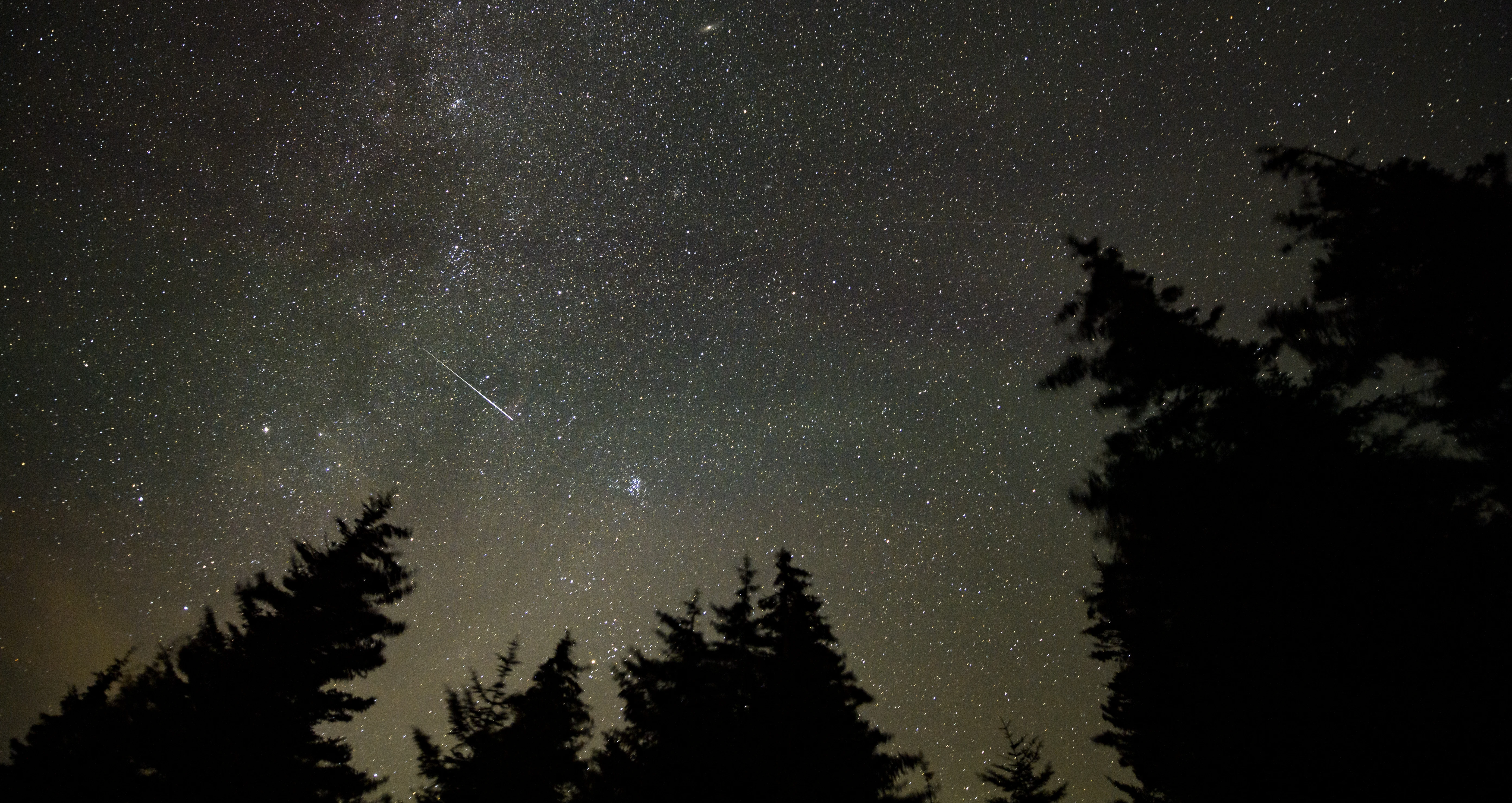
A single meteor streaks over the dark forested ridgelines of Spruce Knob, West Virginia, against a star-filled night sky
Celestial event

The Delta Aquariids peak July 30, but a full moon will drown them this year

Two meteor showers reach their peak on the night of July 30: the Southern Delta Aquariids and the Alpha Capricornids. In a good year that’s a fine reason to drive up to Troodos and lie back for a couple of hours. This is not a good year. The Buck Moon turns full on July 29 at 14:36 UT, and two nights later it’s still 96% lit and up from dusk to dawn, parked in the same corner of the southern sky the meteors come from. The plan, then: don’t waste a special trip on July 30. Learn what these two showers are, catch a few of the brighter ones in the darker nights beforehand, and save your effort for August 12, when the Moon disappears entirely. ...
July 19, 2026 · 7 min · Andreas Ioannou
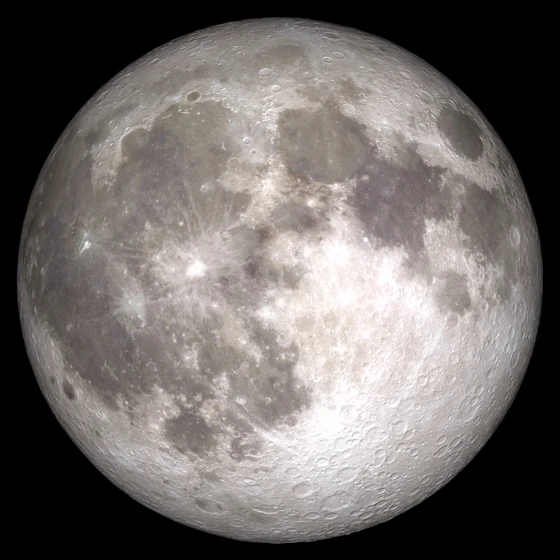
Full disc of the Moon showing maria and craters, imaged by NASA Goddard Space Flight Center
Celestial event

May 31 brings a Blue Micromoon — the smallest full moon of 2026

On May 31 at 08:45 UTC, the Moon reaches full phase for the second time this month. That second-in-a-month qualifier makes it a Blue Moon by the modern calendar definition. It also happens to sit near apogee — 406,135 km from Earth — making it a Micromoon: roughly 5.5% smaller in angular diameter and about 10% dimmer than an average full moon. It’s the most distant full moon of 2026. And if you walk outside that night expecting something visibly unusual, you’ll be disappointed. ...

May 20, 2026 · 6 min · Andreas Ioannou