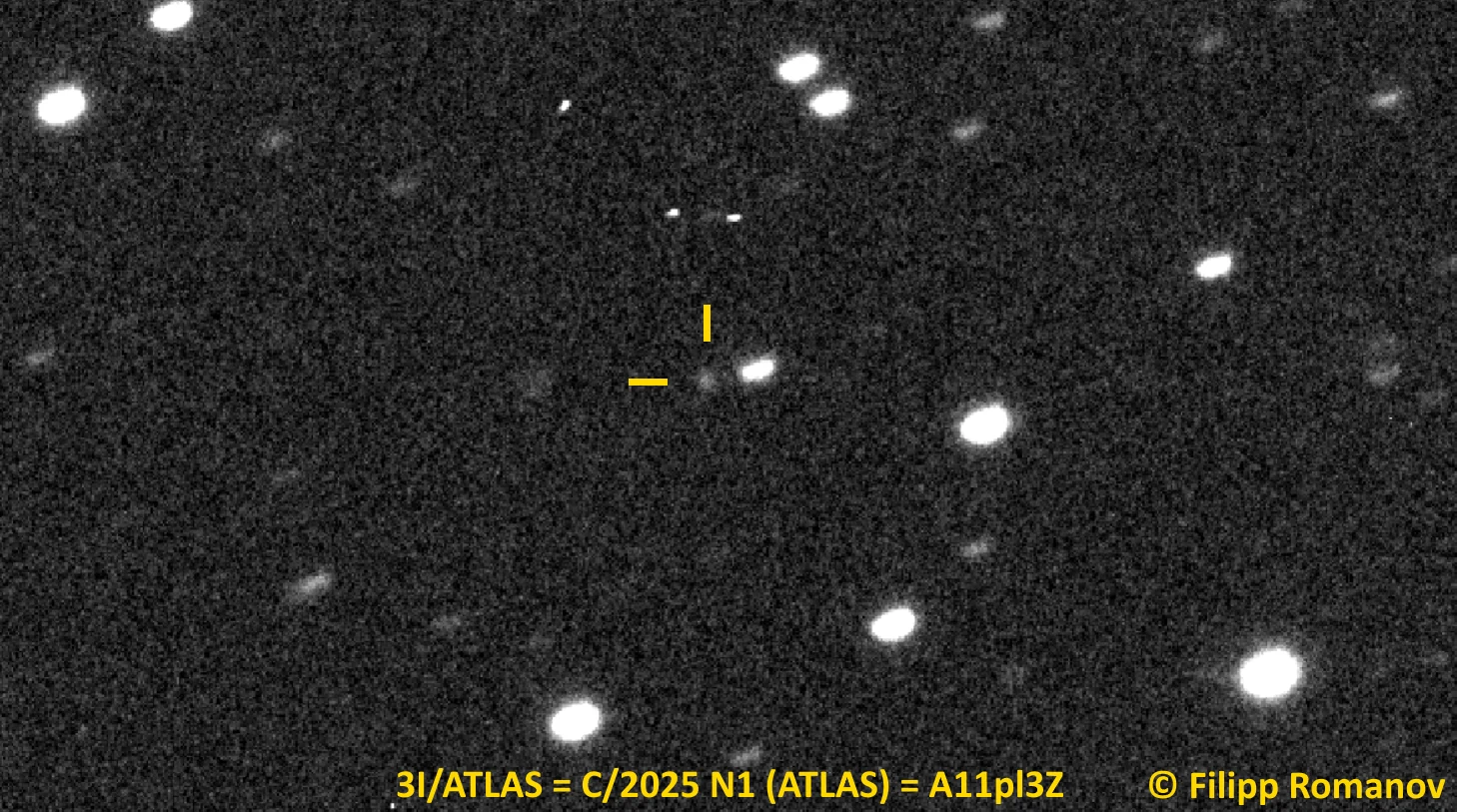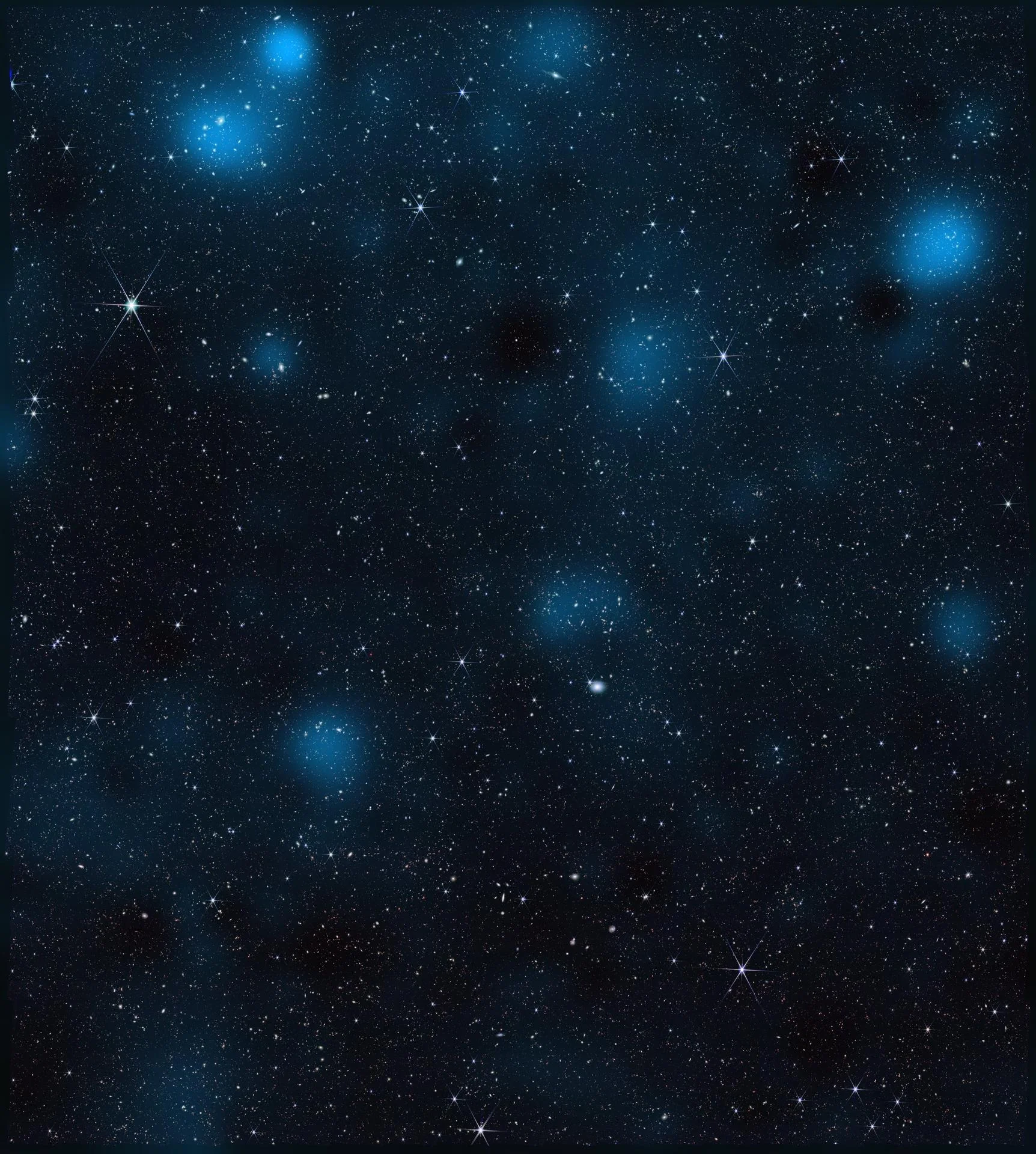
The faint interstellar comet 3I/ATLAS as a small diffuse smudge among background stars, imaged the day after its discovery.
Space science

3I/ATLAS: Webb's spectra point to an interstellar comet older than the Sun

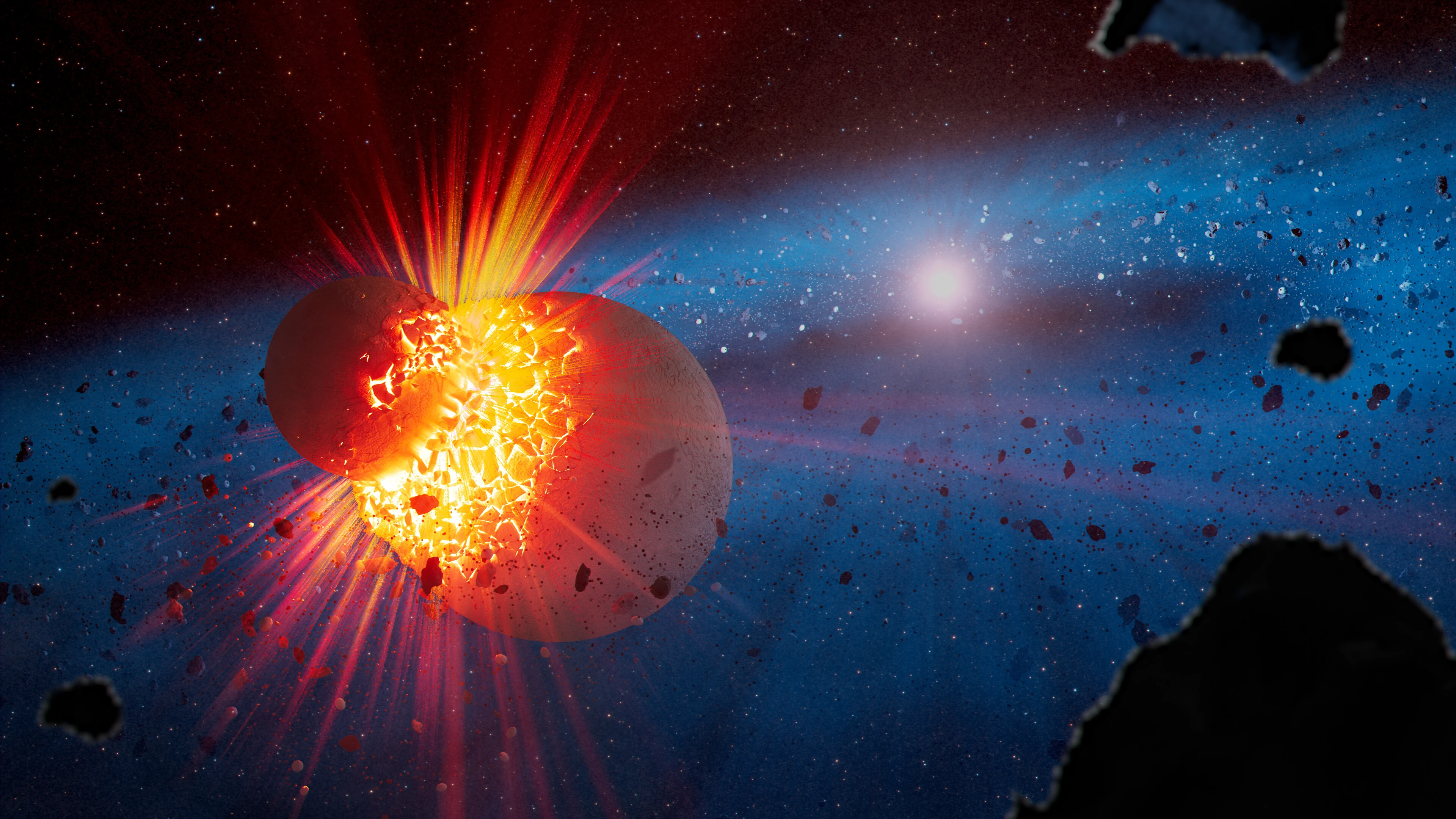
I’ve now watched three objects from other star systems pass through ours, and only one of them said anything worth hearing. The first, 1I/ʻOumuamua in 2017, was gone almost before we understood what it was: a fast, tumbling sliver that never grew a tail and left us arguing about its shape. The second, 2I/Borisov in 2019, was a proper comet with a coma and a tail, alien in origin, but the kind of object we already know how to study. The third is 3I/ATLAS, and it did what the other two wouldn’t. It stayed in front of the James Webb Space Telescope long enough for Webb to read its chemistry line by line, and the readout points to a comet that froze into existence before the Sun did. ...

July 11, 2026 · 7 min · Andreas Ioannou
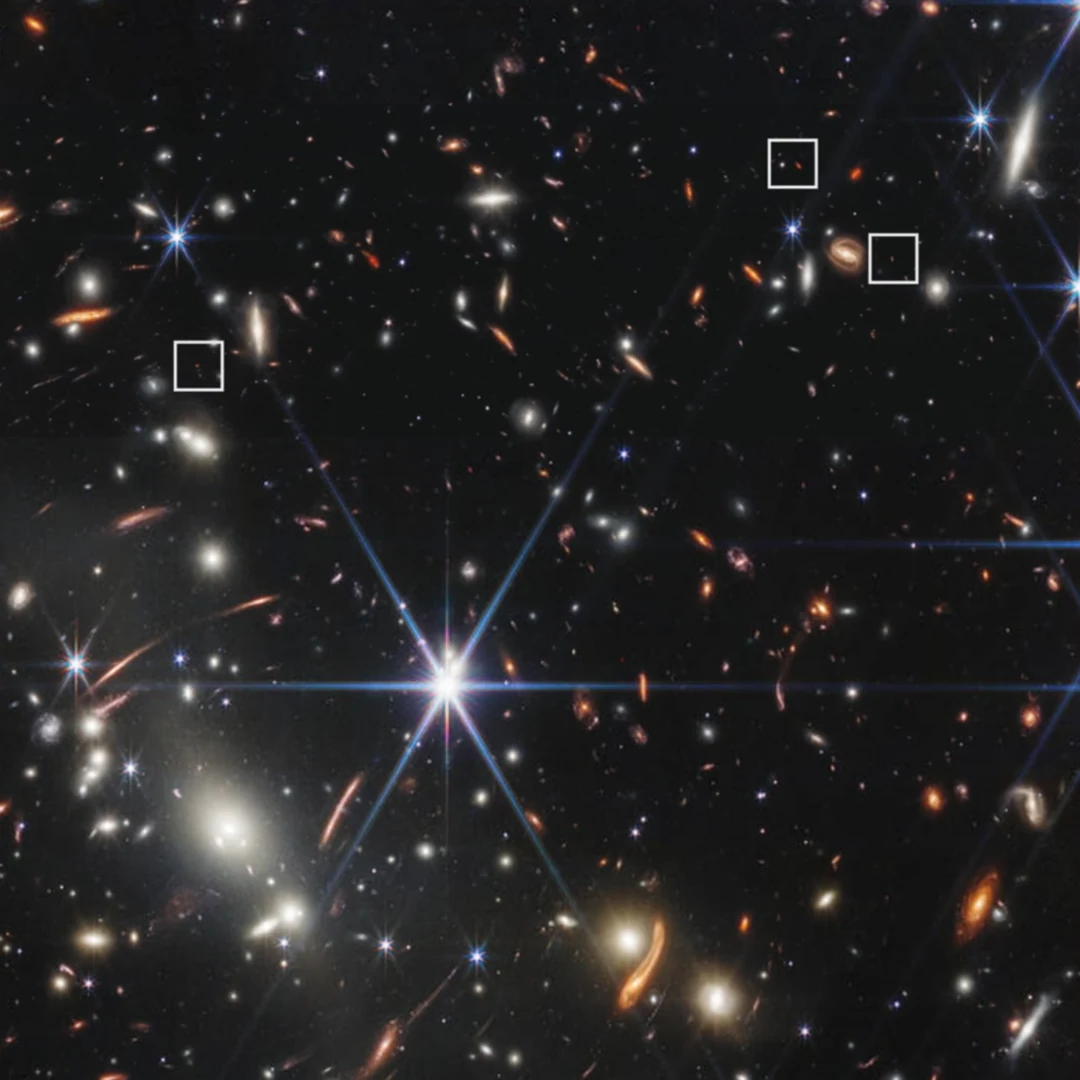
Webb deep field image of galaxy cluster SMACS 0723 showing thousands of orange and white galaxies with three highlighted early-universe objects
Space science

JWST's 'little red dots' aren't galaxies. They're black holes wrapped in gas.

Since 2022, the James Webb Space Telescope has been turning up compact red objects in the deep universe that nobody predicted. More than 300 of these “little red dots” have been catalogued so far, all crammed into a narrow epoch between about 600 million and 1.6 billion years after the Big Bang. For four years, they’ve driven a sharp debate: are they impossibly massive galaxies, overgrown black holes, or something we haven’t modelled yet? A paper published on June 10 in The Astrophysical Journal by Vasily Kokorev and colleagues at the University of Texas at Austin delivers the strongest answer so far. The object they studied, GLIMPSE-17775, is a supermassive black hole cocooned in dense, hot gas — and the data suggest most little red dots are, too. ...

June 23, 2026 · 8 min · Andreas Ioannou
Nearly 800,000 galaxies captured by JWST's NIRCam, overlaid with a dark matter distribution map shown in blue
AI × astronomy

An AI that taught itself what noise looks like found three times more galaxies in JWST data

A team at Tsinghua University built a neural network called ASTERIS that strips structured noise from telescope images, without ever seeing a clean reference frame. Applied to JWST deep-field data, it recovered galaxies one full apparent magnitude fainter than previous pipelines could detect, and tripled the number of galaxy candidates at redshifts above 9. The paper landed in Science in April 2026, and the code is on GitHub. One magnitude sounds modest until you remember the scale is logarithmic. A gain of 1.0 mag means detecting objects 2.5× dimmer. That’s roughly equivalent to doubling the mirror area of the telescope that took the data. ASTERIS achieves it with software alone. ...

June 16, 2026 · 6 min · Andreas Ioannou
Saturn Atmosphere
Space science

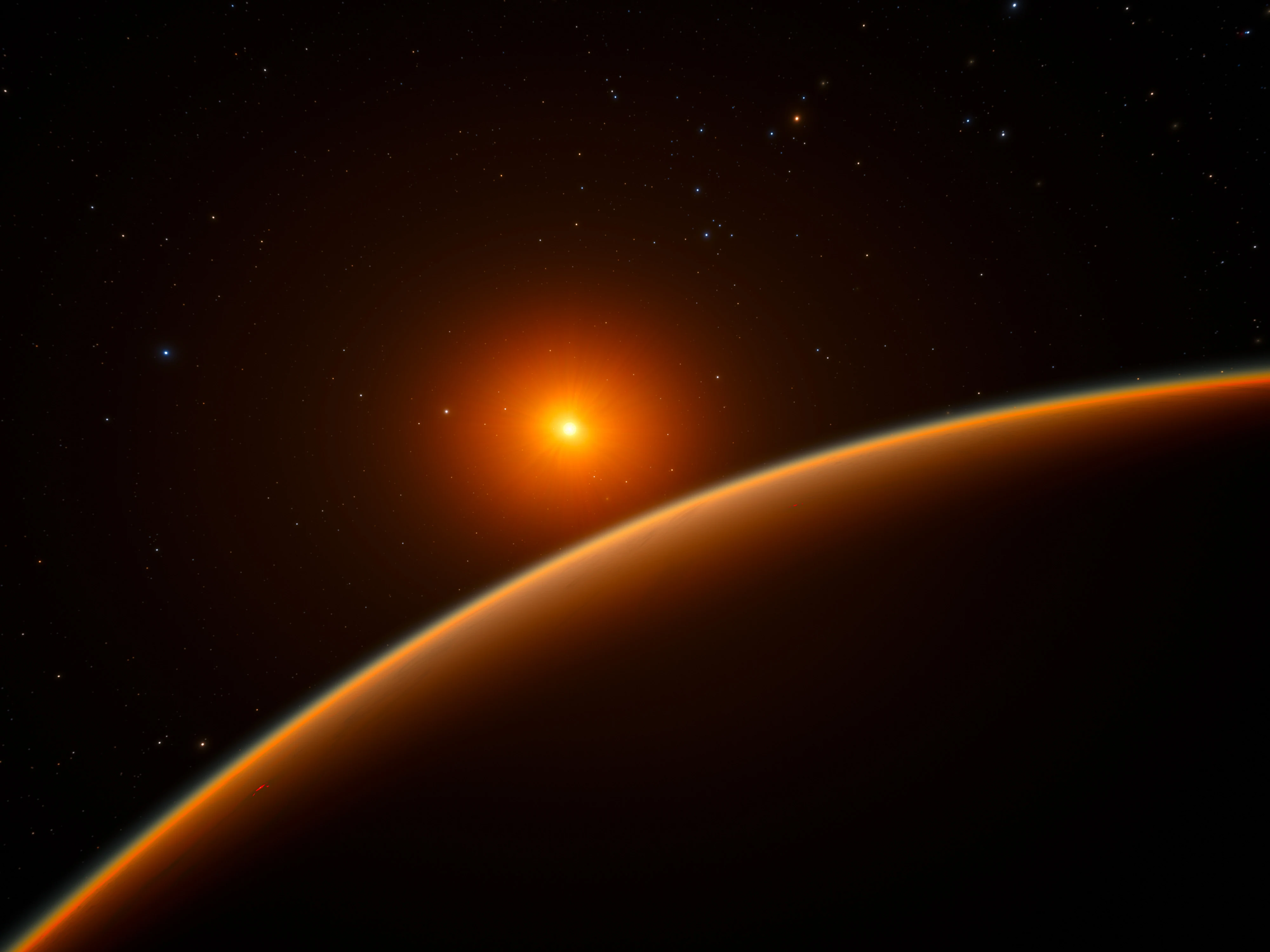
JWST found methane on a Saturn-sized world with Earth-like temperatures

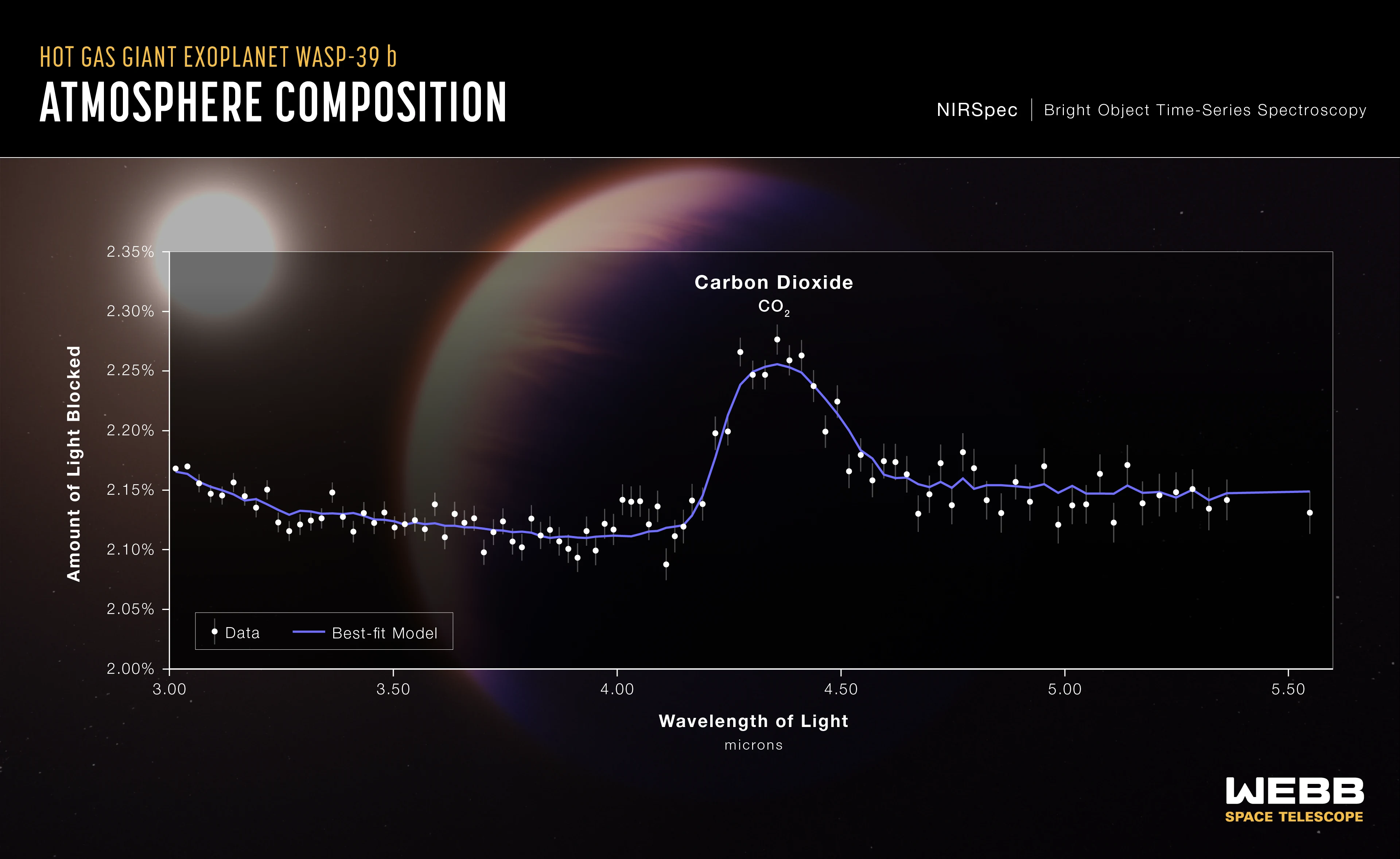
TOI-199b sits about 330 light-years from Earth, orbits a Sun-like star every 105 days, and holds an equilibrium temperature of roughly 352 K (79°C). That’s warm by terrestrial standards but downright mild for an exoplanet, where “hot Jupiter” atmospheres regularly top 1,500 K. A team led by Aaron Bello-Arufe at Penn State pointed JWST at a single transit of this world and pulled methane out of its atmosphere, making TOI-199b the first temperate giant exoplanet whose atmospheric composition has been directly measured. ...

May 30, 2026 · 6 min · Andreas Ioannou
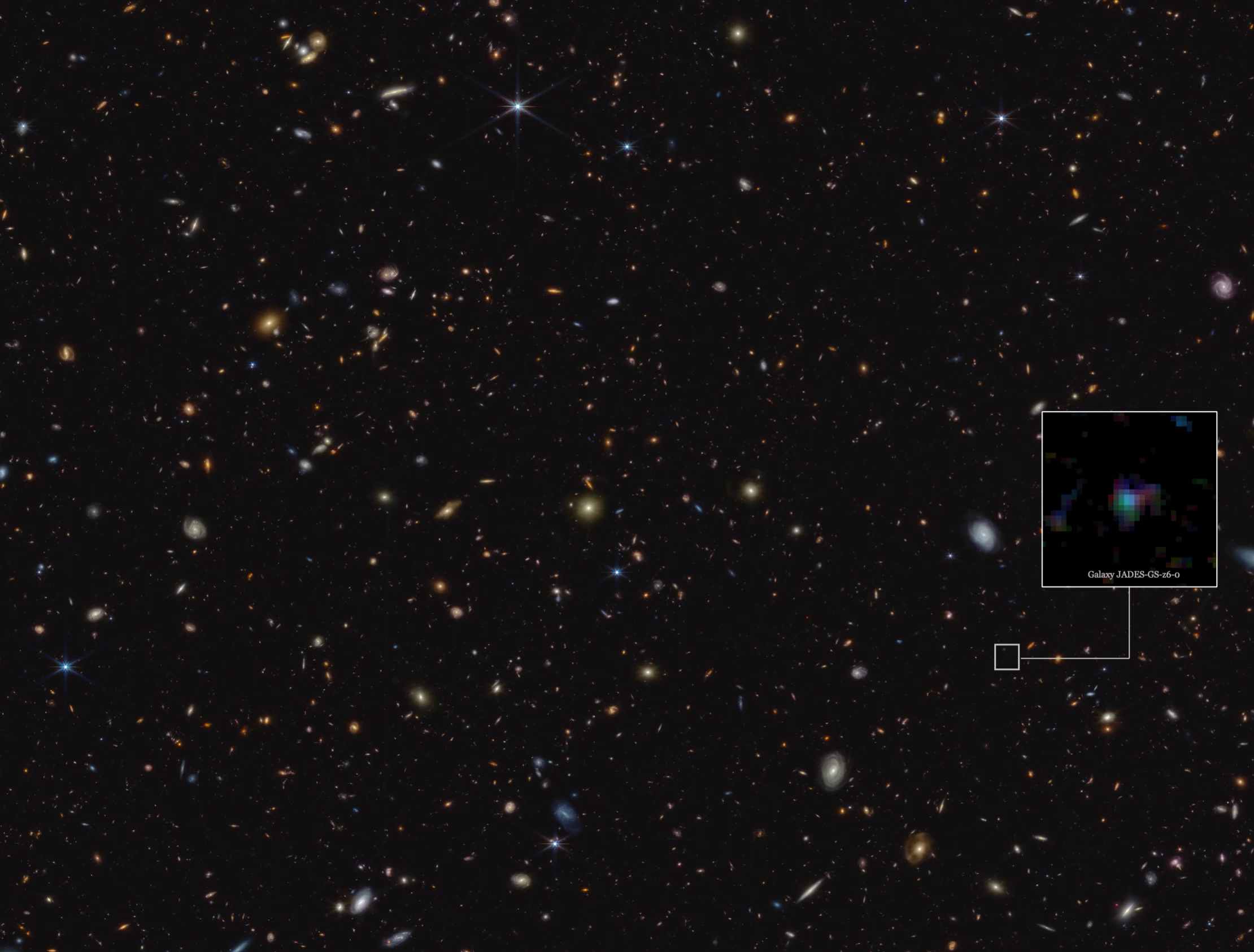
Thousands of galaxies in the Hubble Frontier Fields parallel observation near Abell 2744, showing the deep universe in the constellation Sculptor
Space science

JWST's largest survey mapped the cosmic web across 13 billion years

When you look at galaxies through a telescope — scattered across the field like grains on dark cloth — it’s tempting to think they’re placed at random. They aren’t. Galaxies live on a structure so vast that the only metaphor that survives at scale is a web: long filaments of matter, hundreds of millions of light-years across, connecting dense knots of galaxy clusters and skirting nearly empty voids. This month, the largest survey JWST has carried out gave us the clearest map of that web to date, tracing it back to a time when the universe was barely a billion years old. ...

May 17, 2026 · 7 min · Andreas Ioannou