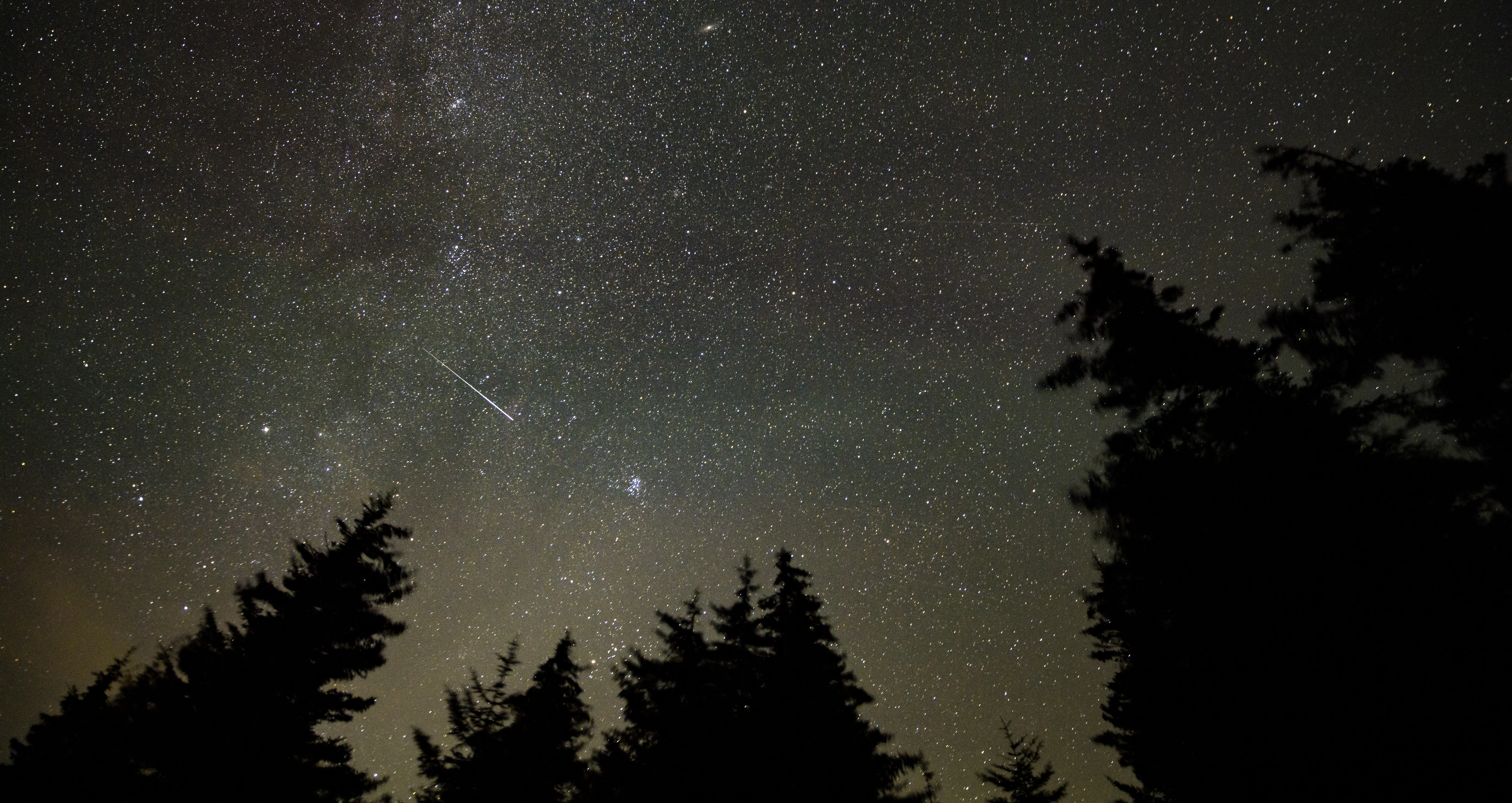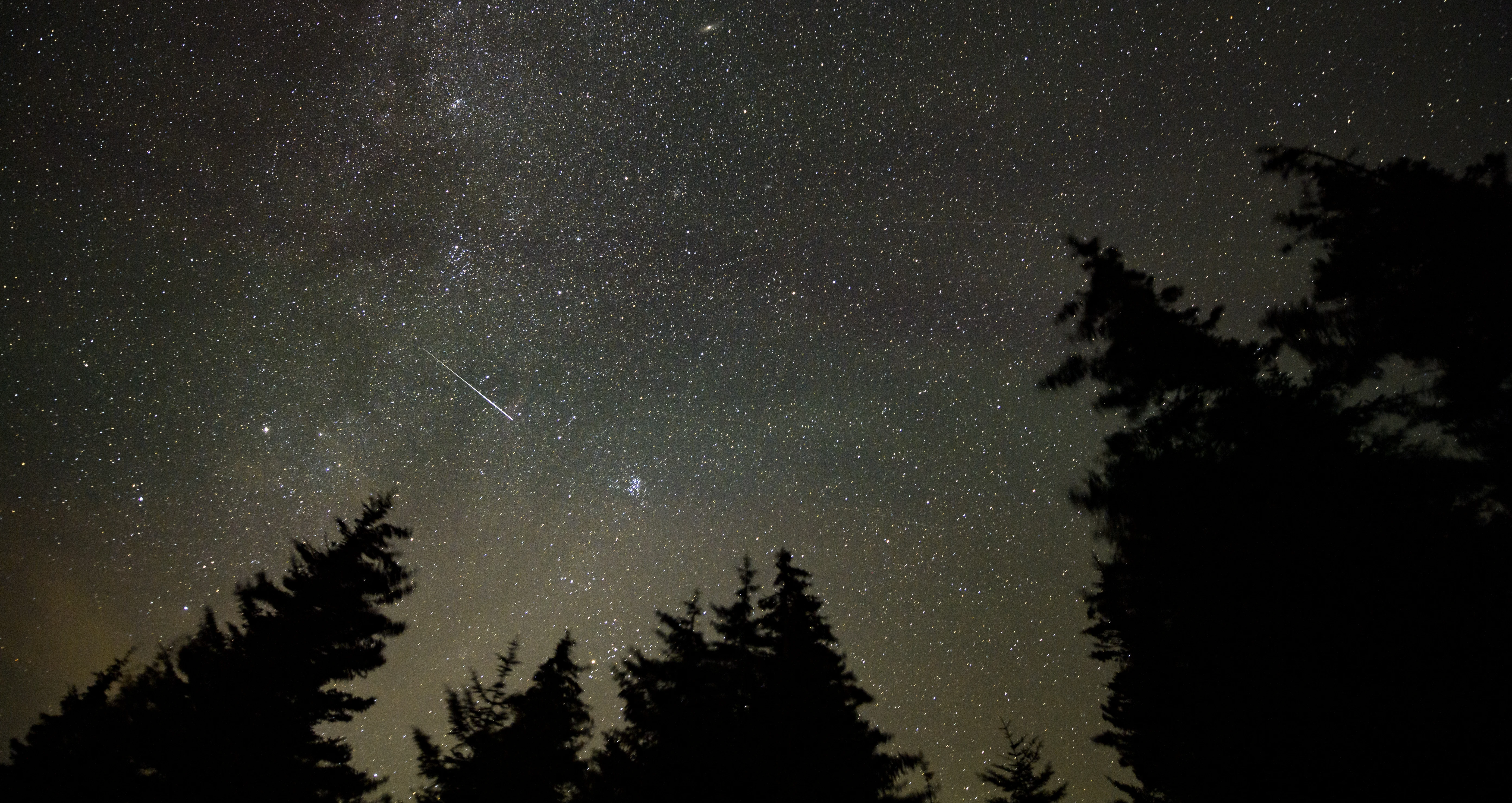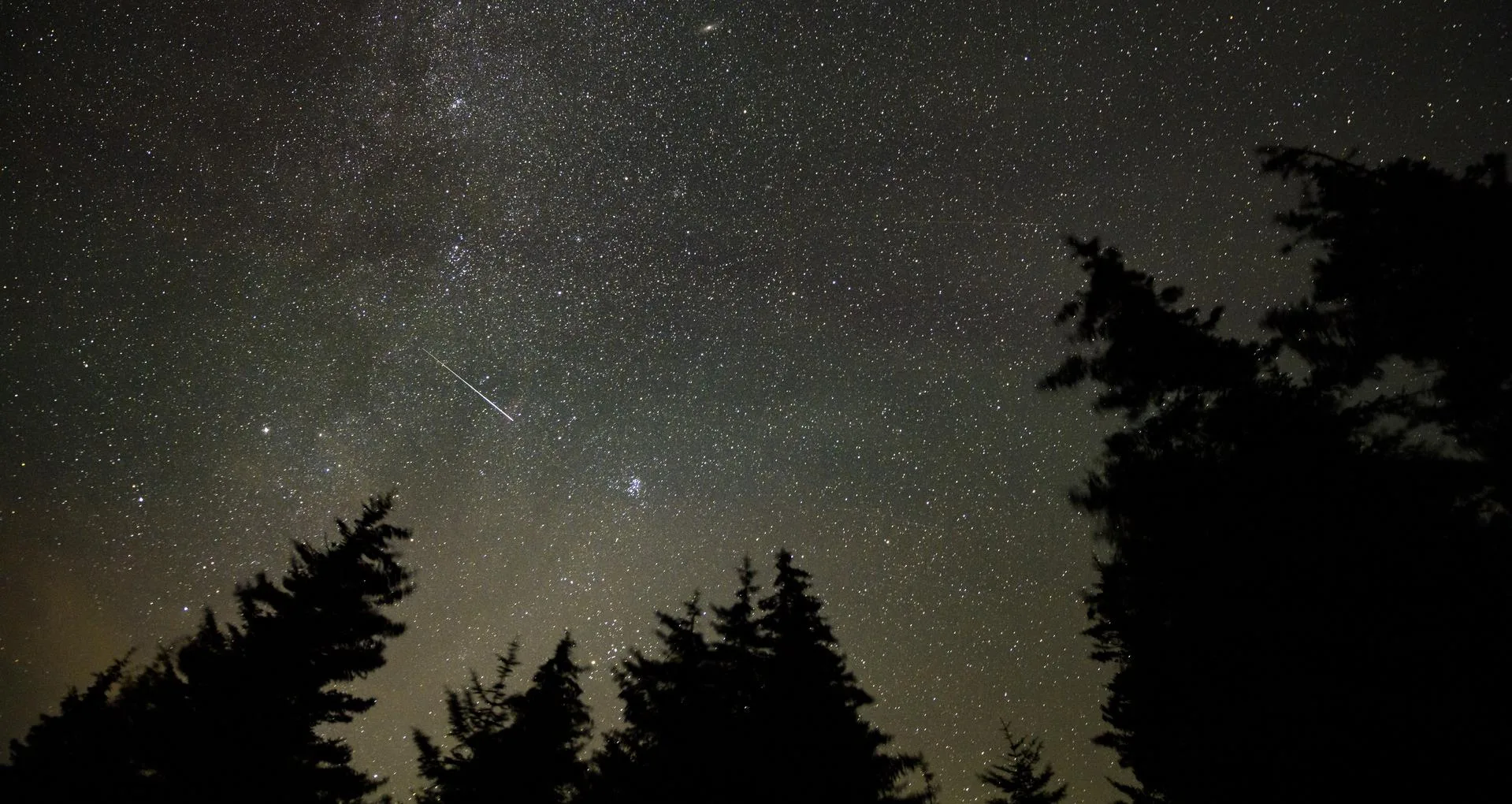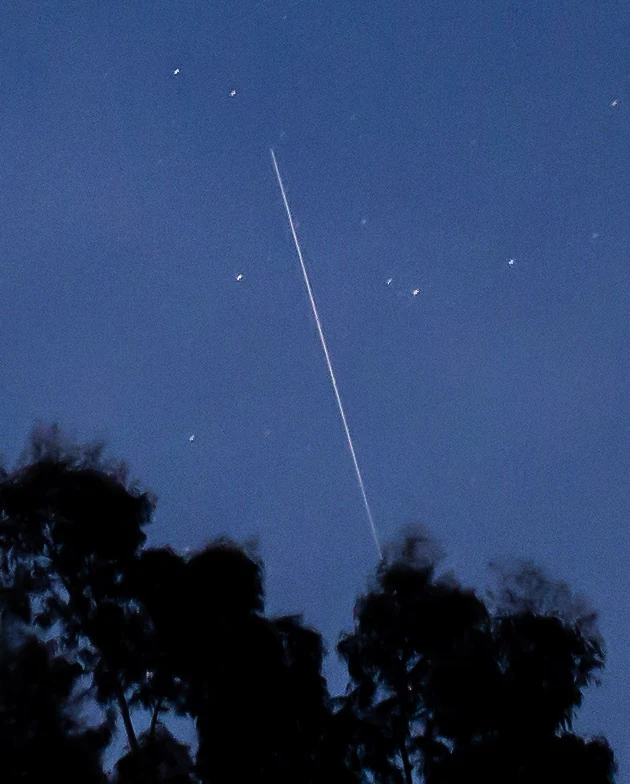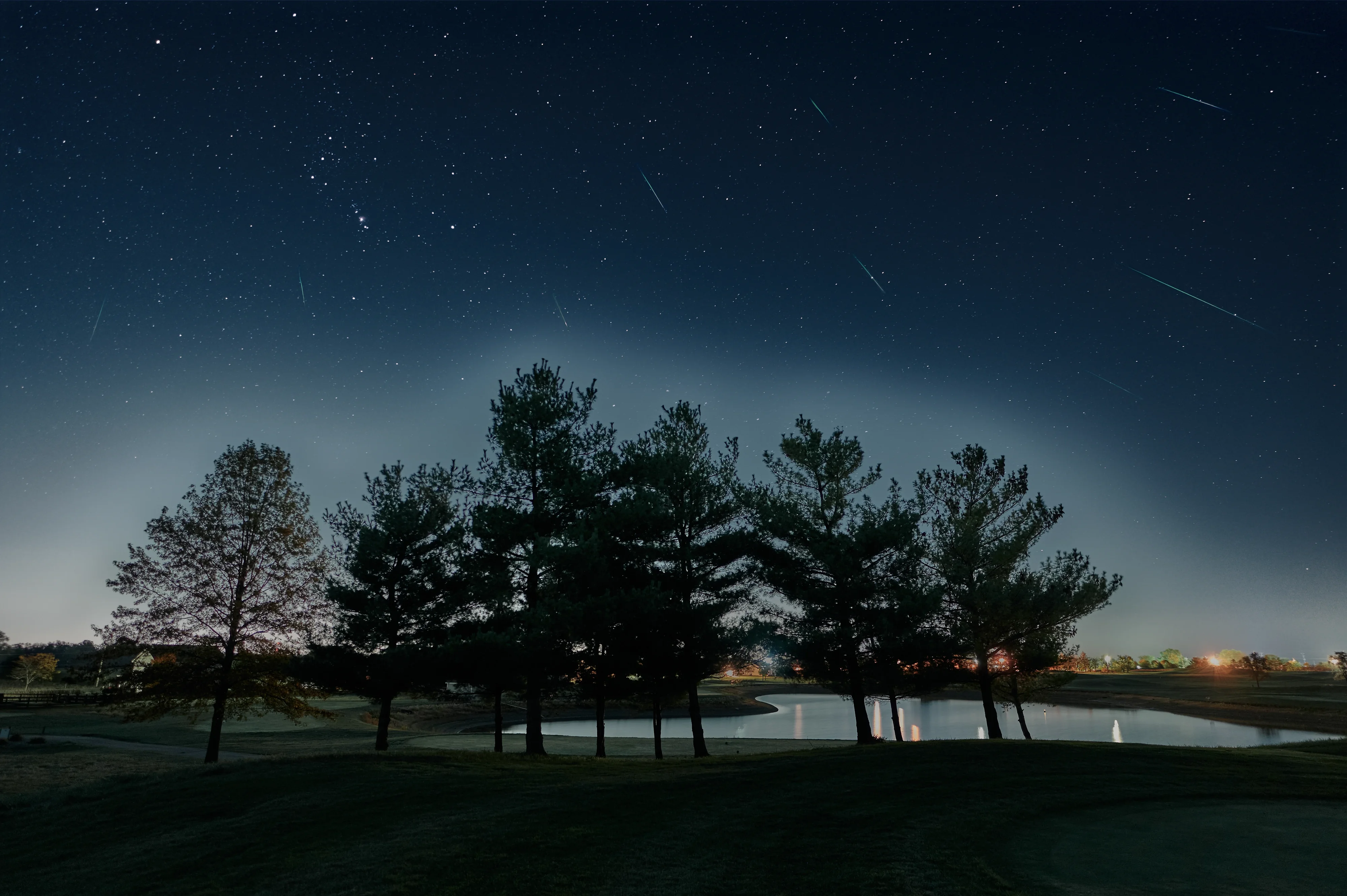
A single meteor streaks over the dark forested ridgelines of Spruce Knob, West Virginia, against a star-filled night sky
Celestial event

The Delta Aquariids peak July 30, but a full moon will drown them this year

Two meteor showers reach their peak on the night of July 30: the Southern Delta Aquariids and the Alpha Capricornids. In a good year that’s a fine reason to drive up to Troodos and lie back for a couple of hours. This is not a good year. The Buck Moon turns full on July 29 at 14:36 UT, and two nights later it’s still 96% lit and up from dusk to dawn, parked in the same corner of the southern sky the meteors come from. The plan, then: don’t waste a special trip on July 30. Learn what these two showers are, catch a few of the brighter ones in the darker nights beforehand, and save your effort for August 12, when the Moon disappears entirely. ...

July 19, 2026 · 7 min · Andreas Ioannou
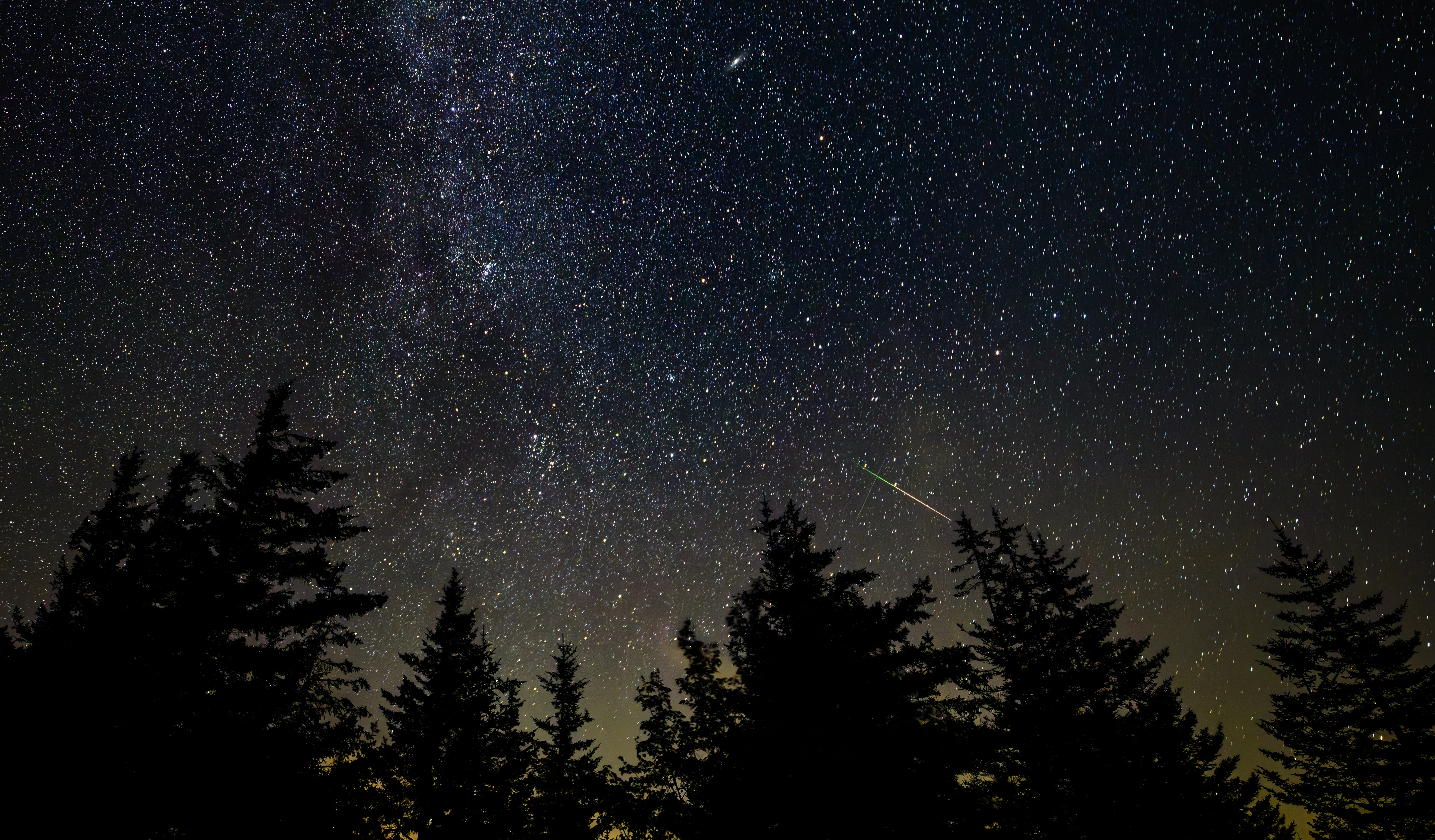
A bright meteor streaks across the Milky Way during the Perseid meteor shower, photographed in a 30-second exposure from Spruce Knob, West Virginia
Celestial event

Eta Aquariids 2026: what to expect from tonight's peak with an 84% moon

The Eta Aquariids peaked at 03:51 UTC on May 5, but this shower has a broad maximum — activity tonight and tomorrow morning (May 6–7) will be nearly as strong as peak night. The problem isn’t timing. It’s the moon: an 84%-illuminated waning gibbous will sit above the horizon during the entire pre-dawn window when the radiant is highest. That cuts your visible count roughly in half compared to a moonless year. ...

May 6, 2026 · 6 min · Andreas Ioannou
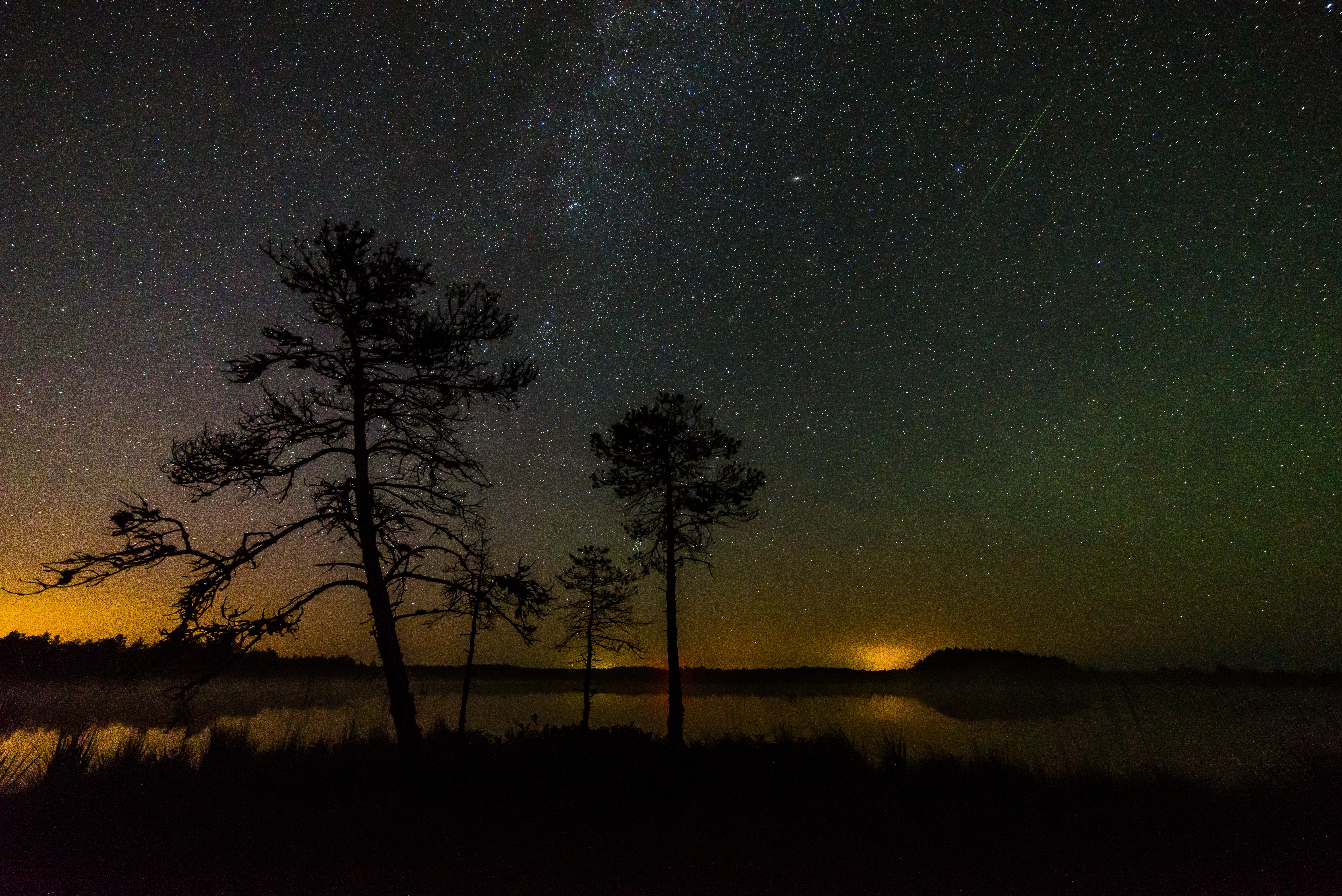
A Lyrid meteor streaks across a dark starfield in this 2022 photograph
Celestial event

The 2026 Lyrids are done. The Eta Aquariids are next, and the moon is going to fight you

The Lyrids peaked around 19:40 UT on April 22 — essentially yesterday evening for anyone in Europe. Conditions were as good as this shower gets: a new moon on April 17 meant only a thin crescent in the sky, and it set before 10 pm local, leaving the prime post-midnight hours properly dark. Under a clean dark site the International Meteor Organization expected 18–20 meteors per hour at the peak. From a light-polluted backyard, Space.com put realistic rates closer to 8–12/hour. ...

April 23, 2026 · 7 min · Andreas Ioannou