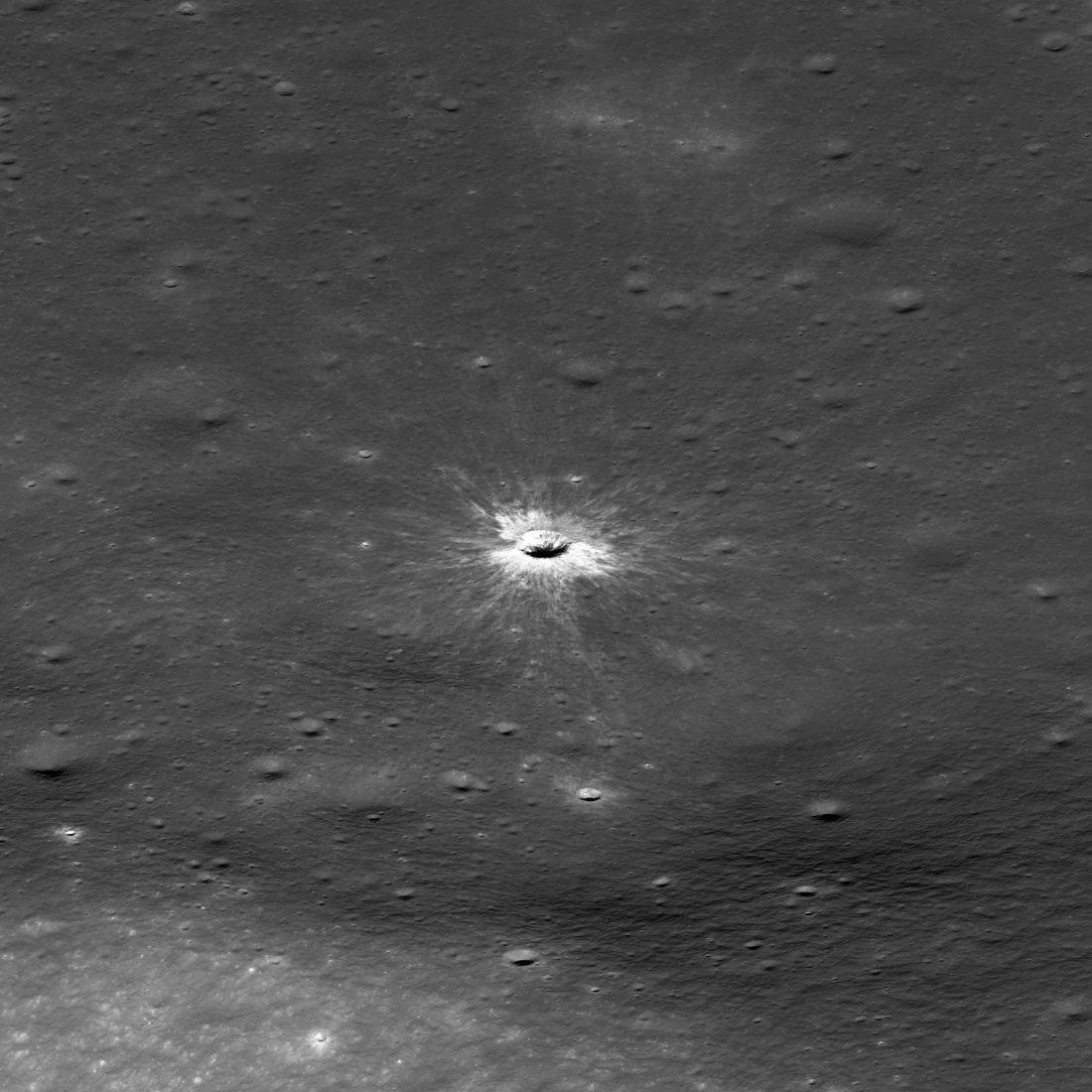
Oblique Lunar Reconnaissance Orbiter view of McGetchin crater, a fresh 222-metre crater on grey lunar plains surrounded by a bright starburst of ejecta rays
Space news

McGetchin crater: the Moon took a 15-kiloton hit in 2024 and nobody saw the flash

Sometime between 11 April and 22 May 2024, something the size of a three-to-six-storey building slammed into the eastern side of the Moon’s near side and blew out a crater 222 m across and 43 m deep. NASA’s Lunar Reconnaissance Orbiter photographed the aftermath within weeks, but nobody noticed until 2025, and the results only went public this month. The crater, now named McGetchin, is the largest fresh impact crater ever documented anywhere in the Solar System. It released roughly 15 kilotons of TNT-equivalent energy, and no telescope on Earth recorded the flash. ...
September 27, 2026 · 10 min · Andreas Ioannou
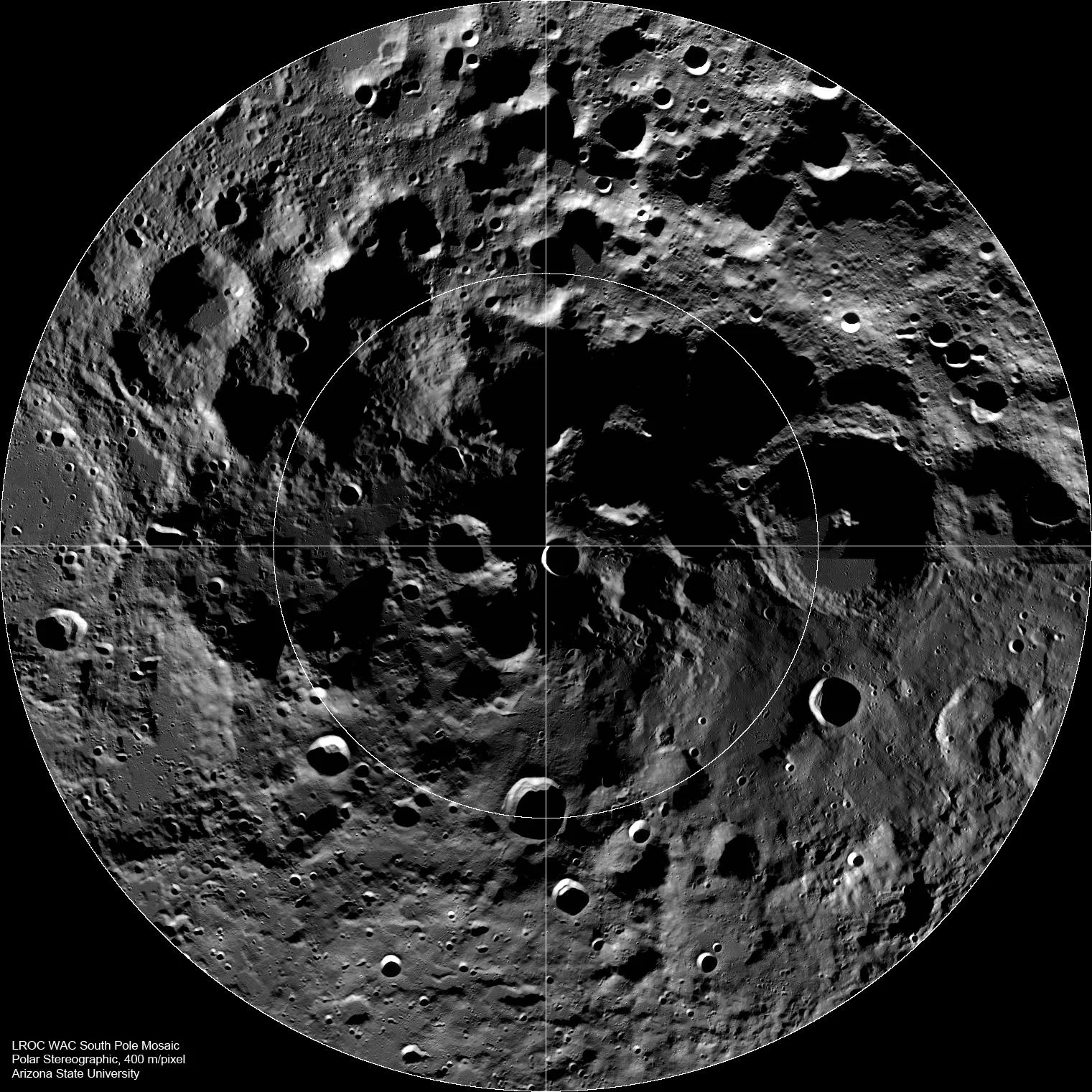
Lunar Reconnaissance Orbiter mosaic of the Moon's south polar region, a crush of overlapping crater rims with shadow-filled floors near the pole.
Space news

Chang'e 7 launches this weekend to hunt water ice at the Moon's south pole

This weekend China sends its most complicated Moon mission yet toward the one patch of lunar ground everyone now wants. The launch window for Chang’e 7 opens on the morning of August 24 Beijing time (late Sunday, August 23, in the Americas) on a Long March 5 out of Wenchang. Sitting on top isn’t one spacecraft but four: an orbiter, a lander, a rover, and a six-legged robot built to jump into craters that haven’t seen sunlight in billions of years and drill for ice. ...

August 21, 2026 · 7 min · Andreas Ioannou
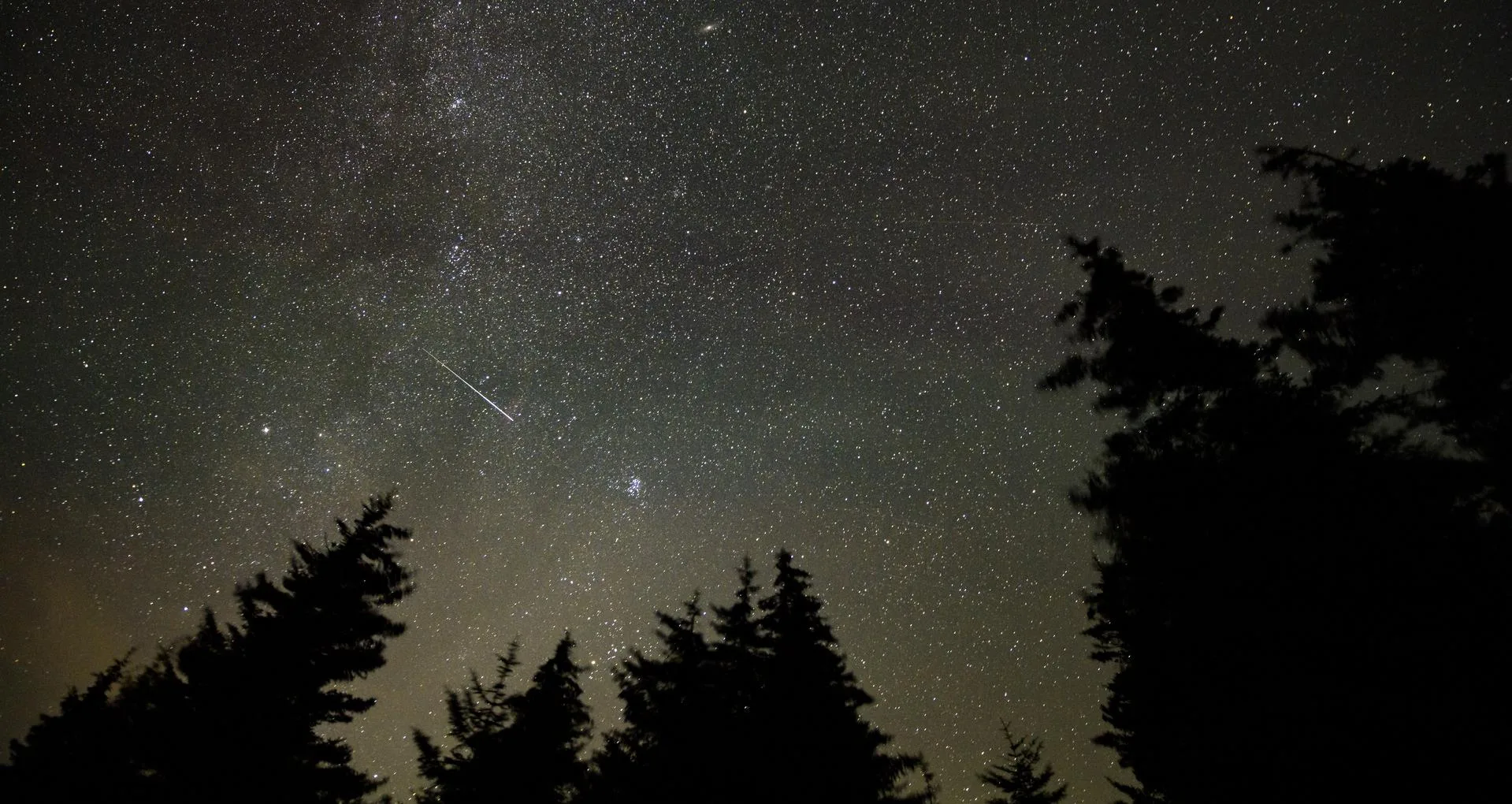
A bright meteor streaks across the Milky Way during the Perseid meteor shower, photographed in a 30-second exposure from Spruce Knob, West Virginia
Celestial event

Eta Aquariids 2026: what to expect from tonight's peak with an 84% moon

The Eta Aquariids peaked at 03:51 UTC on May 5, but this shower has a broad maximum — activity tonight and tomorrow morning (May 6–7) will be nearly as strong as peak night. The problem isn’t timing. It’s the moon: an 84%-illuminated waning gibbous will sit above the horizon during the entire pre-dawn window when the radiant is highest. That cuts your visible count roughly in half compared to a moonless year. ...

May 6, 2026 · 6 min · Andreas Ioannou