Koi Fish, Blips and Whistles: how Gravity Spy's neural net sorts LIGO's noise
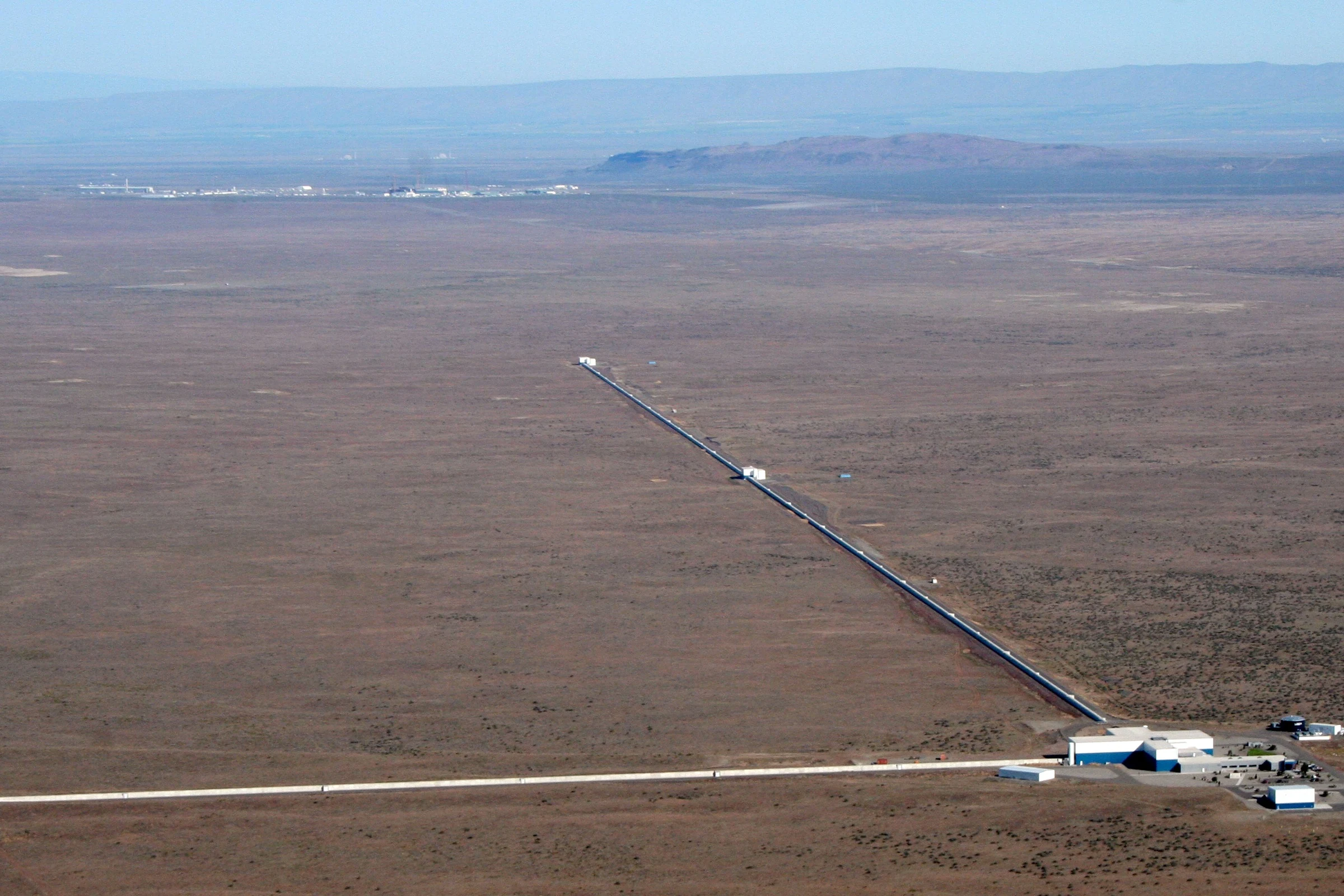
At the end of May 2023, a few days into LIGO’s fourth observing run, the Hanford detector started throwing out a new kind of noise: a narrow line near 589 Hz, lasting less than 0.4 seconds. The neural network that had sorted LIGO’s glitches since 2017 looked at 267 of them and called them “Whistle”, with an average confidence of 0.976. That was wrong, and the network was sure of it. A replacement classifier, built by the Gravity Spy team, looked at the same events and shrugged. It split them across three classes, with confidence scores between 0.35 and 0.46. For a model that only knows 23 categories, that kind of hesitation is the right answer to a glitch it has never seen. It’s since been identified as a new class, discussed on the project’s volunteer forum under the plain name “589 Hz”. ...