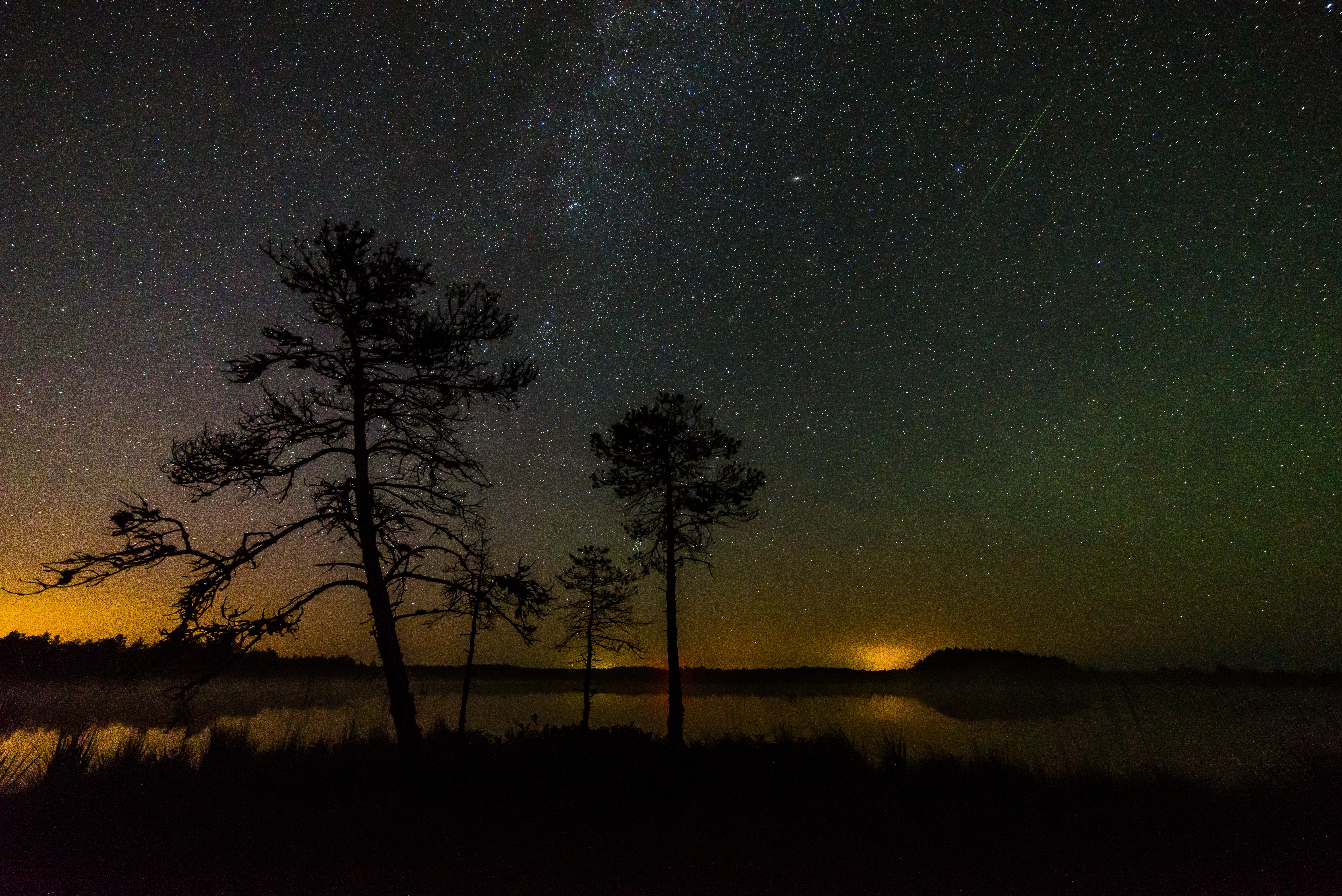
A single Perseid meteor crossing the Milky Way with the Andromeda galaxy overhead, above a treeline lit by light pollution on the horizon, at Luhasoo bog in Estonia
Beginner stargazing

Your first meteor shower: how to watch the 2026 Perseids with no gear

If you’ve never sat out on purpose to watch a meteor shower, the night of August 12 into the morning of August 13 is the one to start with. The Perseids peak then, and this year the Moon is new, so there’s no moonlight to drown the fainter streaks. It’s the darkest Perseid peak since 2021. You don’t need a telescope, binoculars, an app, or any skill you don’t already have. You need somewhere reasonably dark, something to lie back on, and about an hour of patience. Here’s exactly what to do with it. ...

August 3, 2026 · 8 min · Andreas Ioannou
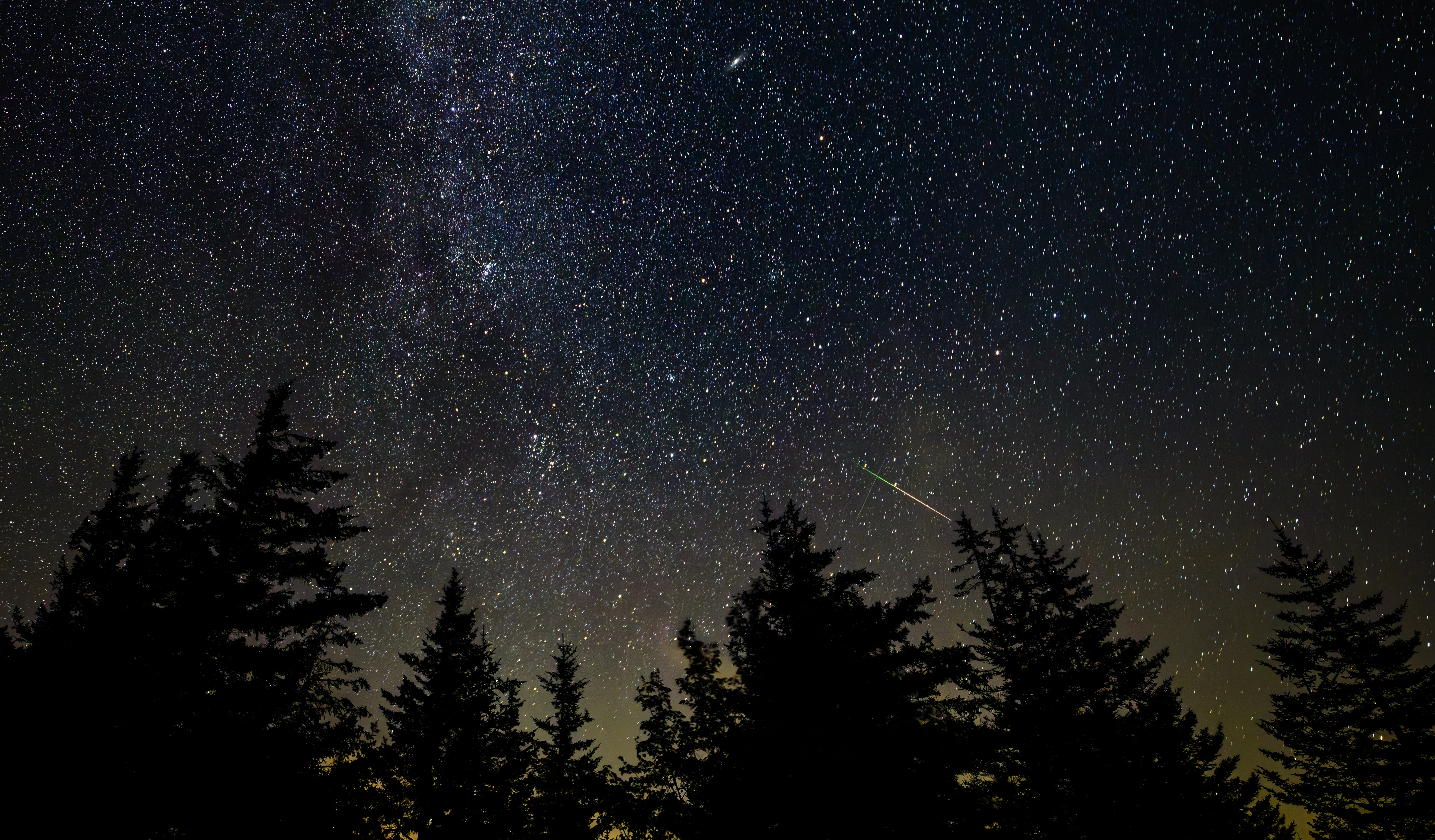
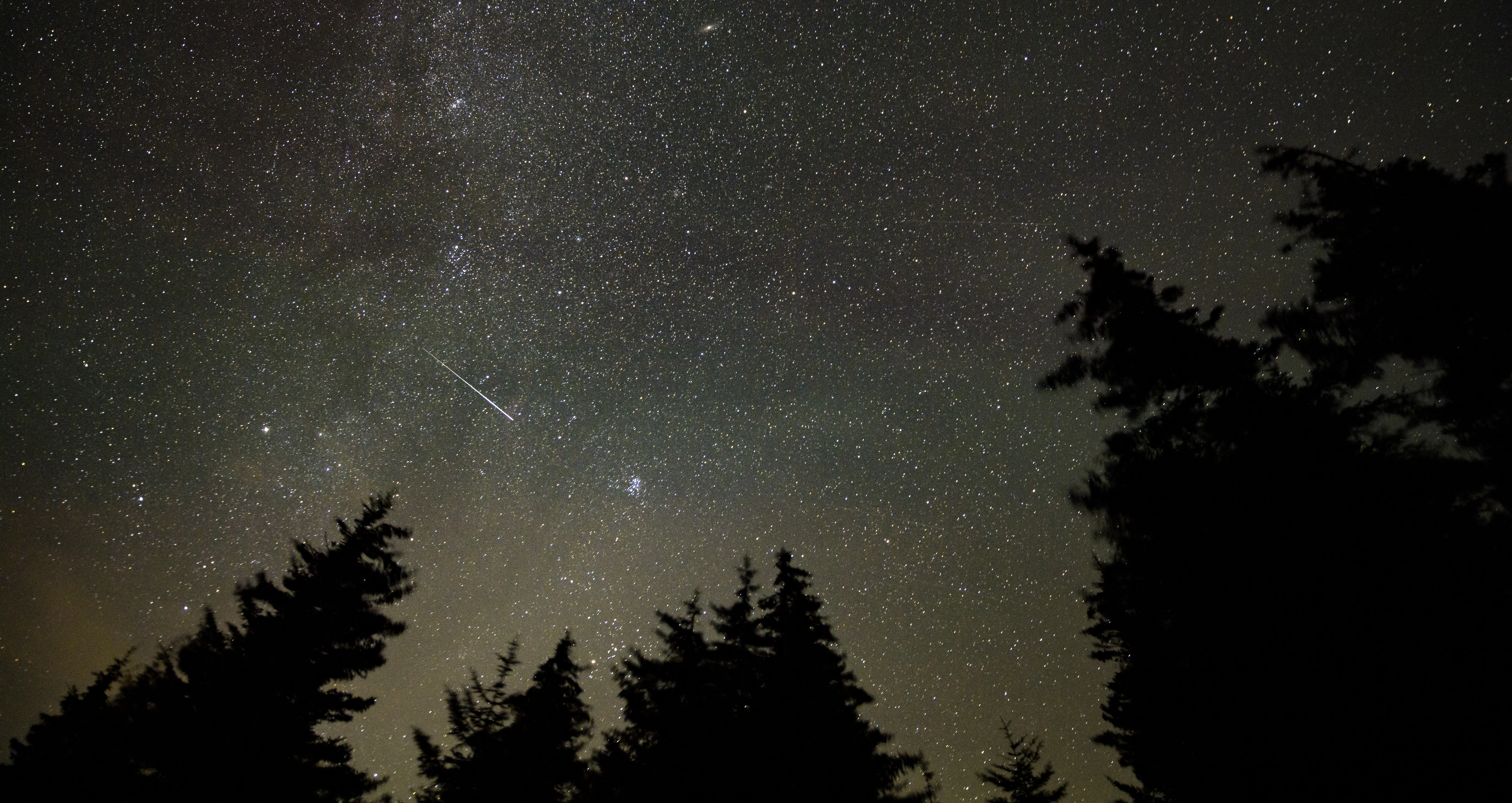
A single meteor streaks across a star-filled night sky above the dark treeline of Spruce Knob, West Virginia, during the annual Perseid meteor shower
Celestial event

Perseids 2026: a moonless peak on August 12–13, the best in five years

The Perseids peak overnight on August 12–13, and this year the Moon stays out of the way entirely. It turns new on August 12 at 17:37 UT, so the peak night is as dark as any night gets. That combination, the richest summer shower landing on a moonless sky, is what observers wait years for, and it hasn’t happened since 2021. If you clear a single night for meteors in 2026, make it this one. Here’s when to be out, where to point your eyes, and why the eclipse dominating everyone’s calendar that same day is, for those of us in the eastern Mediterranean, the less interesting half of August 12. ...

July 29, 2026 · 7 min · Andreas Ioannou