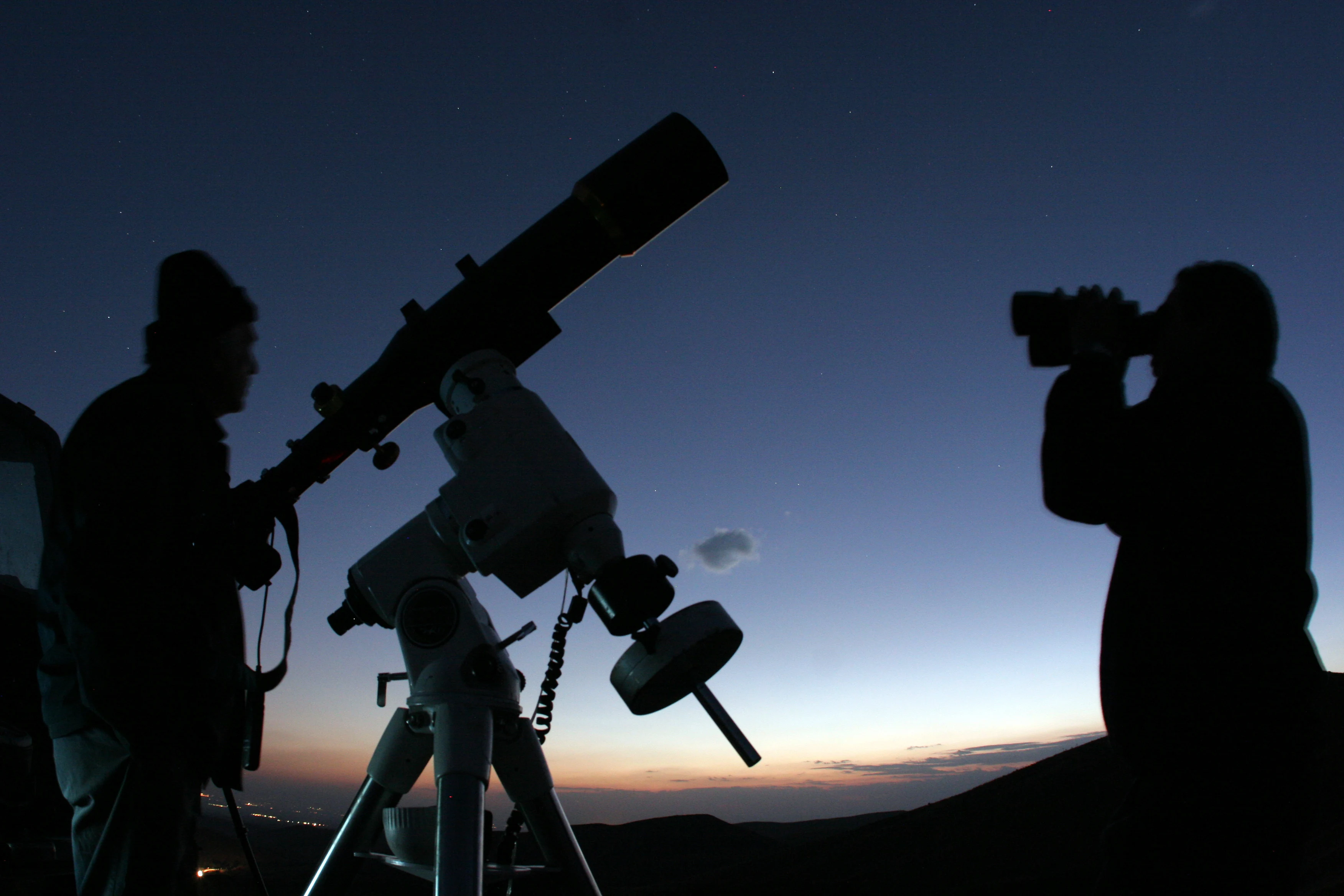
Dark adaptation, explained: why your eyes need 30 minutes to see real stars
The first time I drove from Nicosia up to Troodos for a moonless night, I got out of the car, looked up, and was disappointed. I could see the Milky Way, but it was a thin grey smear, not the structured river I’d been promised. So I sat down on the camping chair, put my phone away, and waited. About twenty minutes later I looked up again. The same patch of sky now had texture: a dark rift through Cygnus, the unresolved haze around Sagittarius, individual dust lanes I hadn’t seen at all on the first look. ...