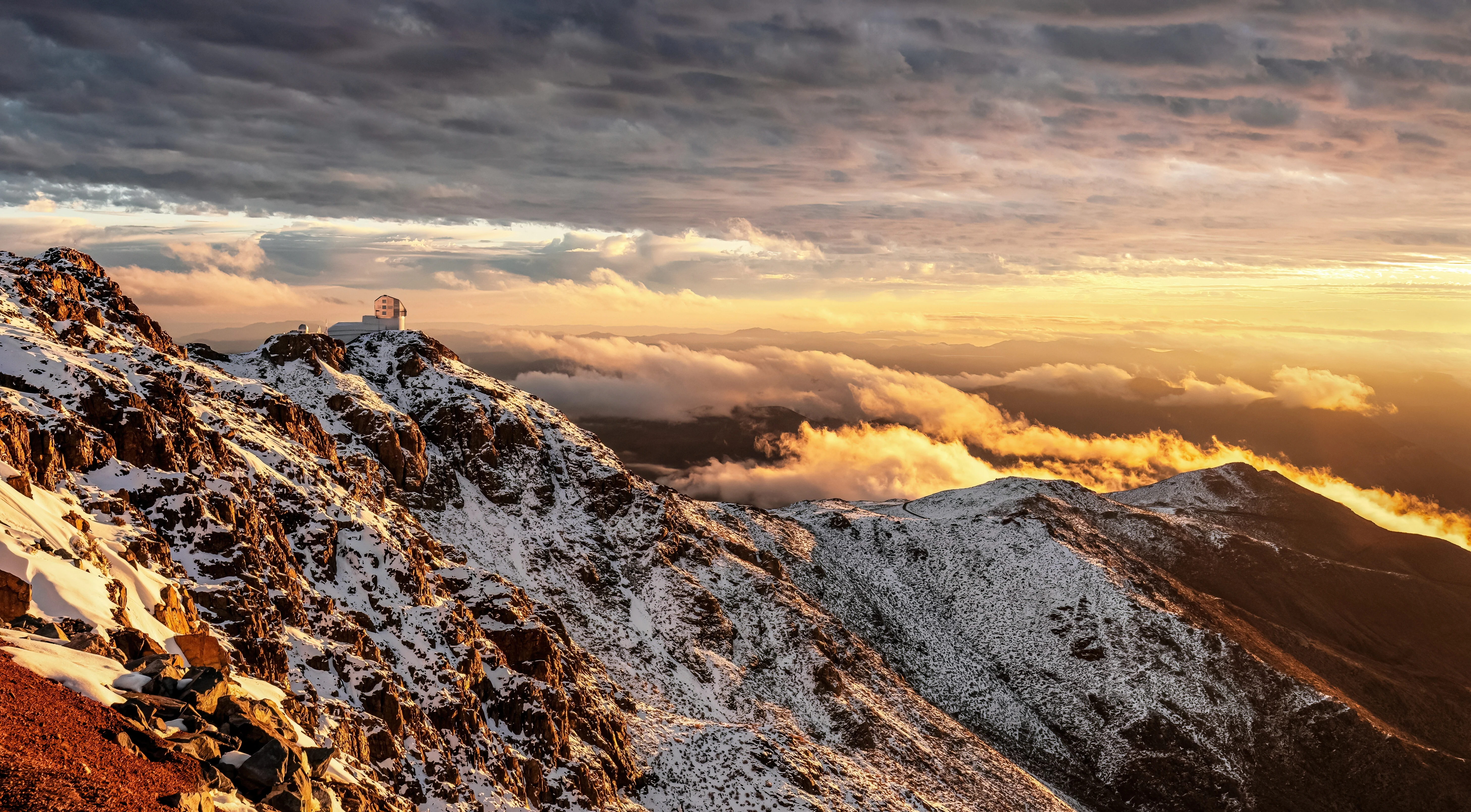
The Vera C. Rubin Observatory on a snow-covered ridge of Cerro Pachón, Chile, above a sea of clouds at sunset
Space news

Rubin's first data is out. Here's what amateurs can actually do with it.

On July 31, the NSF–DOE Vera C. Rubin Observatory released its first science data taken with the LSST Camera: a deep image of the COSMOS field holding more than half a million galaxies and over 50,000 stars in a single frame. That’s the headline. The part that took me a minute to work out, as someone who spent years pulling training data out of pipelines like this one, is what a person outside the collaboration can actually touch. Some of it you can explore tonight from your couch. Most of the catalog is locked for two years. ...
August 5, 2026 · 7 min · Andreas Ioannou
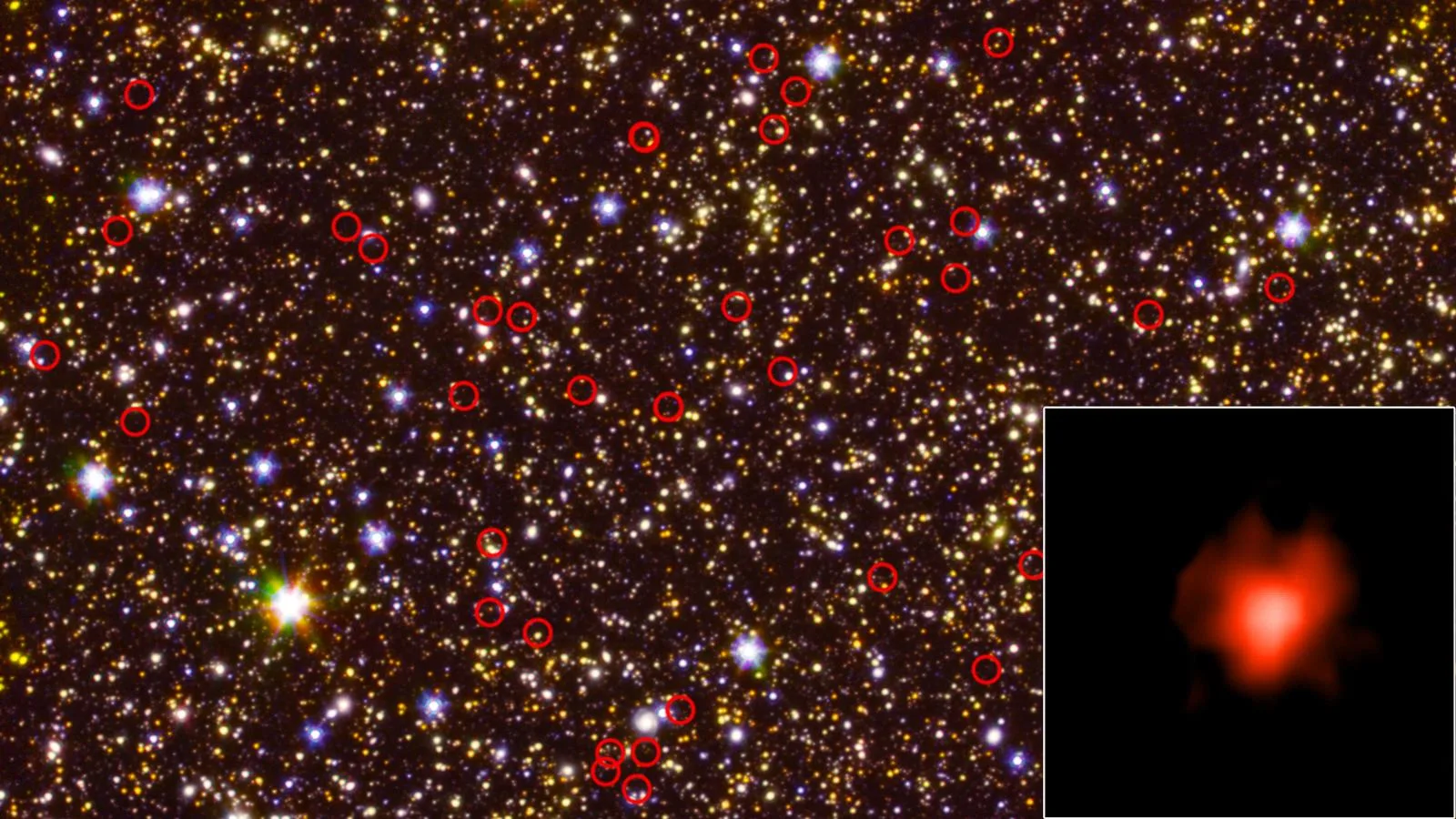
A deep-field view of the sky captured by NASA's Spitzer Space Telescope showing hundreds of faint distant galaxies scattered across the frame
AI × astronomy

Rubin Observatory sends millions of alerts per night. Nine ML brokers sort them.

On February 25, 2026, the Vera C. Rubin Observatory in Chile sent its first batch of real-time alerts — 800,000 of them in a single night. Each one flagged something that changed in the sky: a new point of light, a brightening star, a moving dot that might be an asteroid. The Legacy Survey of Space and Time (LSST) had officially started talking. That was the gentle version. At full survey depth, Rubin will generate up to 10 million difference-image alerts every night. No research group, no observatory control room, no grad student with a caffeine problem can review that by hand. The only reason the alerts are useful at all is a network of nine community software platforms — called alert brokers — that run machine-learning classifiers on every packet before the Sun comes up. ...

June 4, 2026 · 6 min · Andreas Ioannou