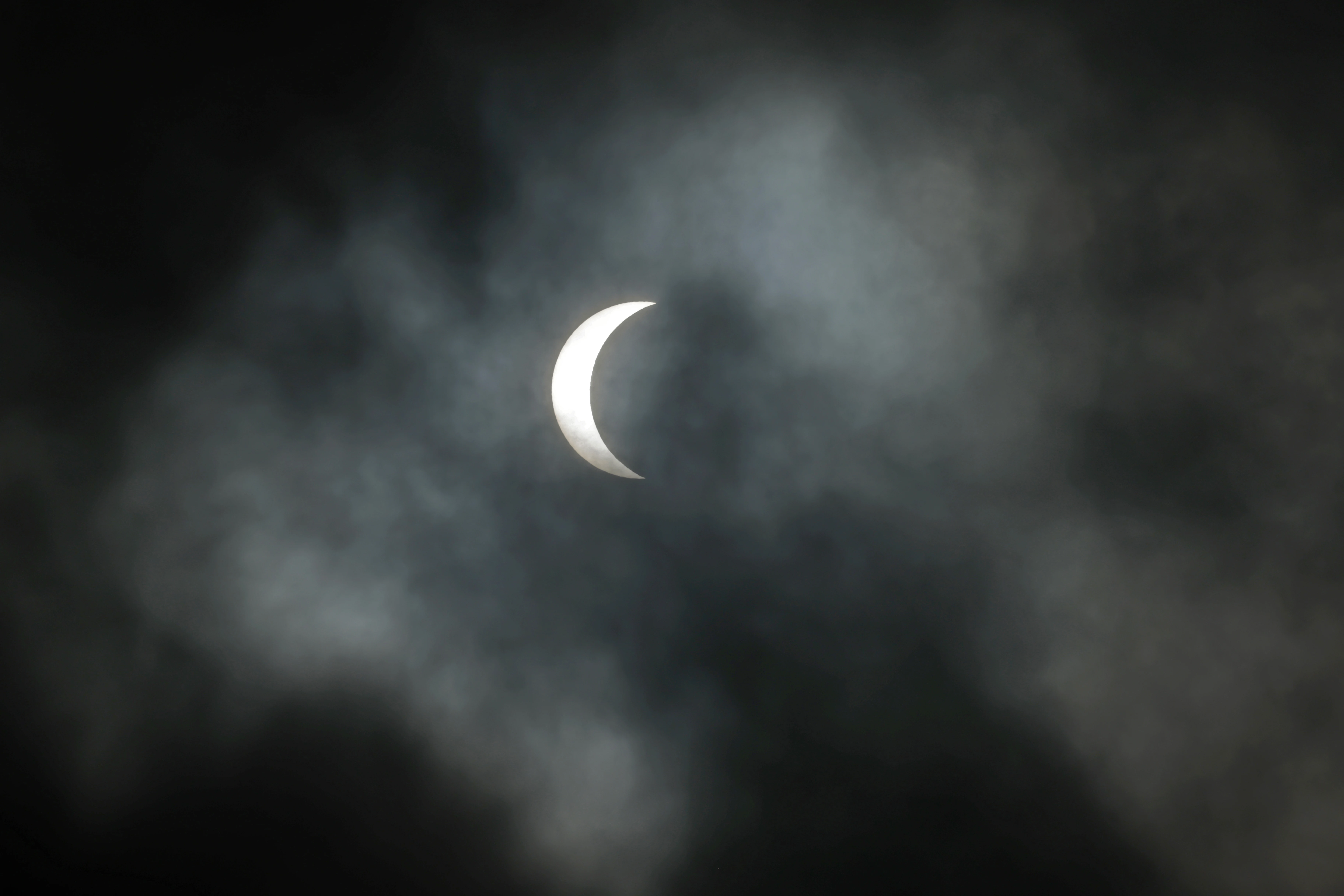
Hubble image of globular cluster IC 4499 — thousands of resolved stars against deep space
Gear

The Seestar S50, six months in: what I'd tell a friend before they buy one

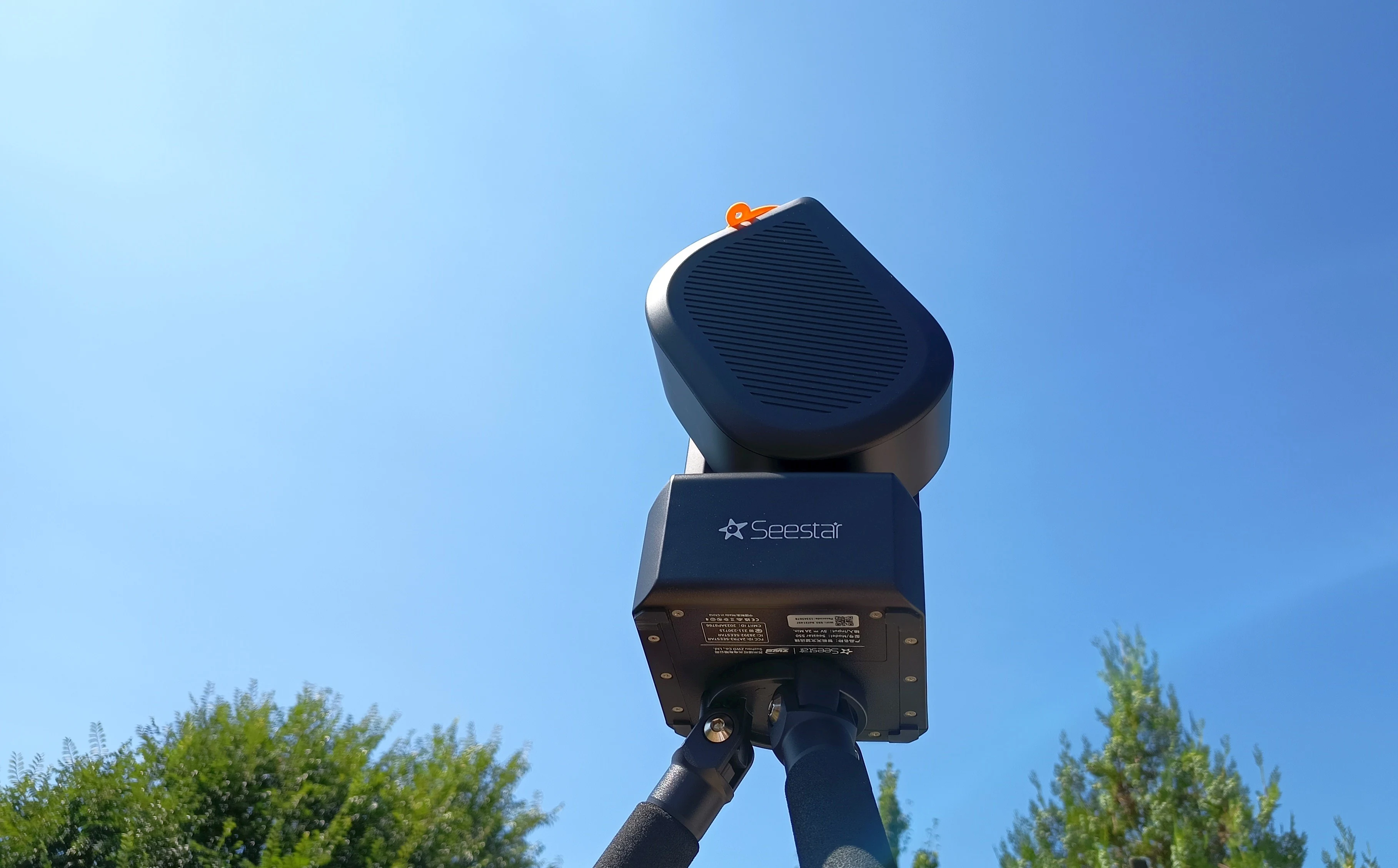
The ZWO Seestar S50 sat on my balcony railing in Nicosia for 47 sessions between November 2025 and April 2026. I pointed it at globulars, planetaries, galaxies, the Moon, and — twice — Jupiter. After six months I know exactly who should buy one and, more usefully, who should save the money for something else. The setup that kept me coming back The S50 weighs 1.5 kg. I carry it out with one hand, set it on the railing, open the app, and I’m imaging within three minutes. No polar alignment, no balance weights, no multi-star alignment routine. The internal plate solver — the same astrometry.net algorithm I wrote about last month — handles pointing. Tap an object, the telescope slews, stacking begins. ...

May 10, 2026 · 7 min · Andreas Ioannou
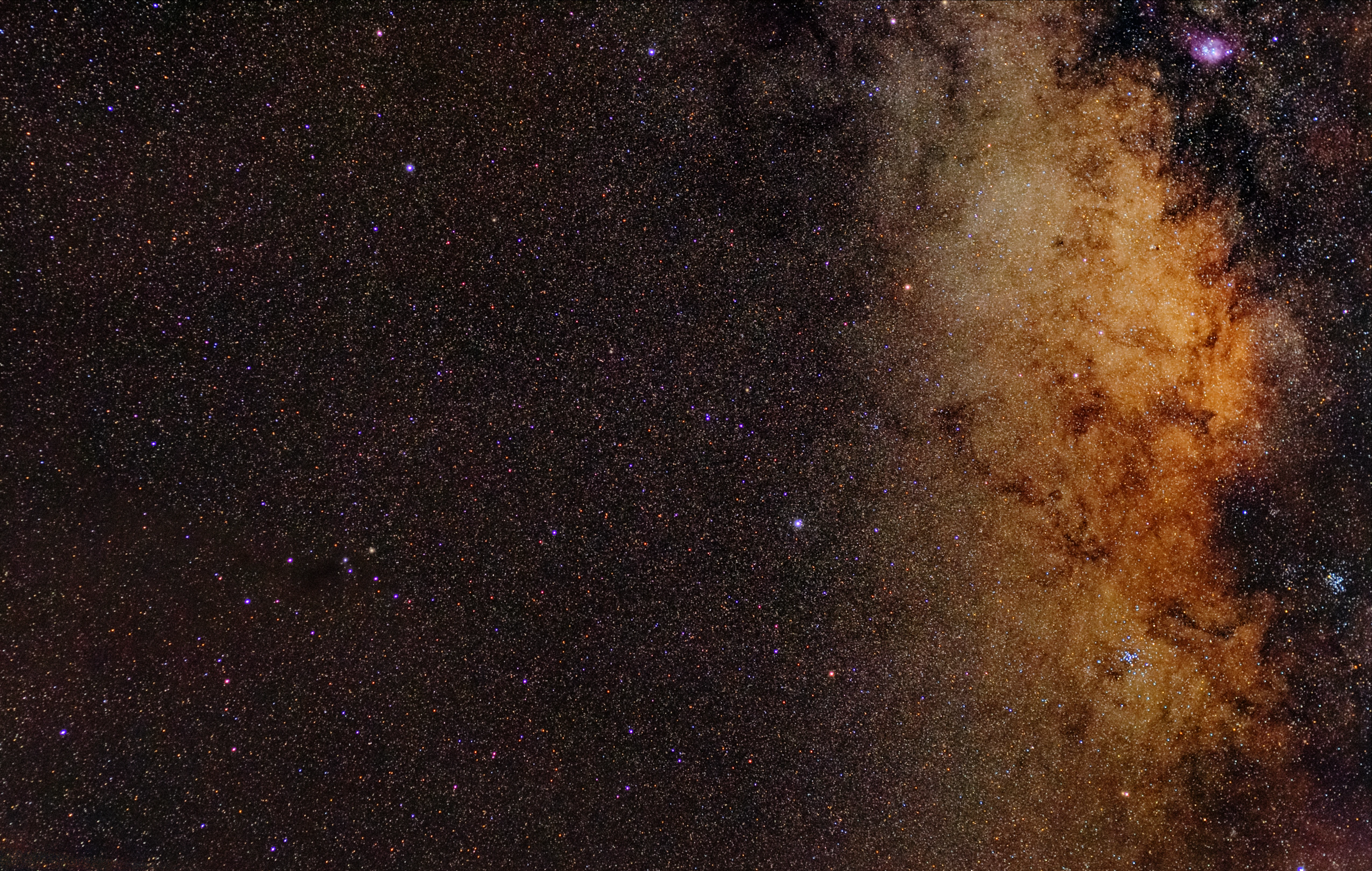
A wide-field amateur astrophotograph of the Corona Australis region, the kind of star field a smart telescope plate-solves in seconds
AI × astronomy

How plate solving works: the algorithm behind every smart telescope

Every time I tap a target on the Seestar app, my phone tells the telescope what to find, but not where it is. The S50 figures that part out itself: it slews in the rough direction, takes a calibration frame, asks “where on the sky was this taken?”, and adjusts. Three seconds, one re-pointing nudge, target centered. Plate solving is the answer to that one question: given an arbitrary image of stars, recover the pointing, scale, and rotation. The dominant open-source approach, astrometry.net, was published by Lang, Hogg, and collaborators in 2010 and has quietly become the unsung backbone of consumer astrophotography. Every smart telescope on the market today, from the Seestar S50 to the Vespera Pro, the DWARF 3, and the Celestron Origin, runs some variant of this in real time. ...

April 25, 2026 · 9 min · Andreas Ioannou