How machine learning finds the weird one in four million galaxies
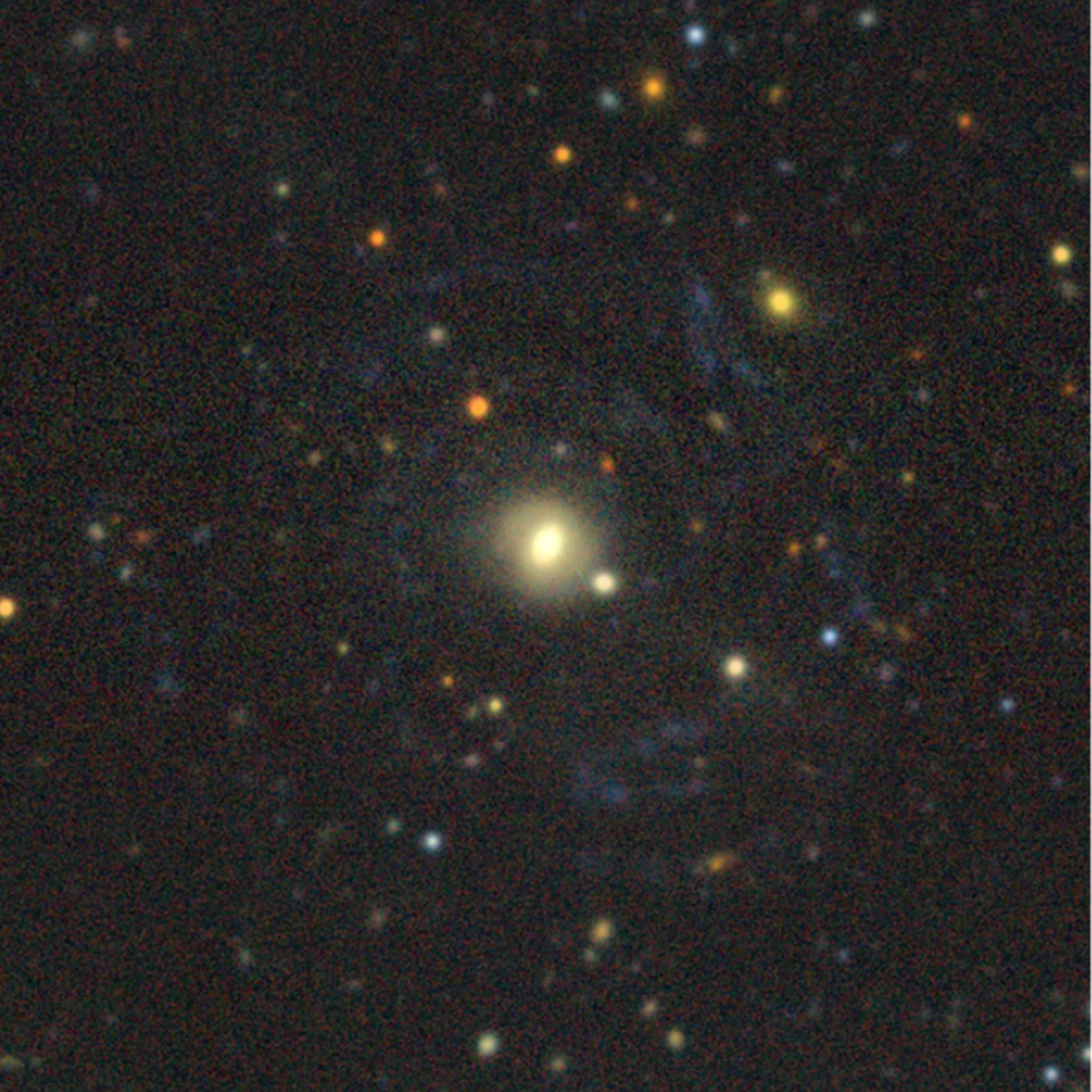
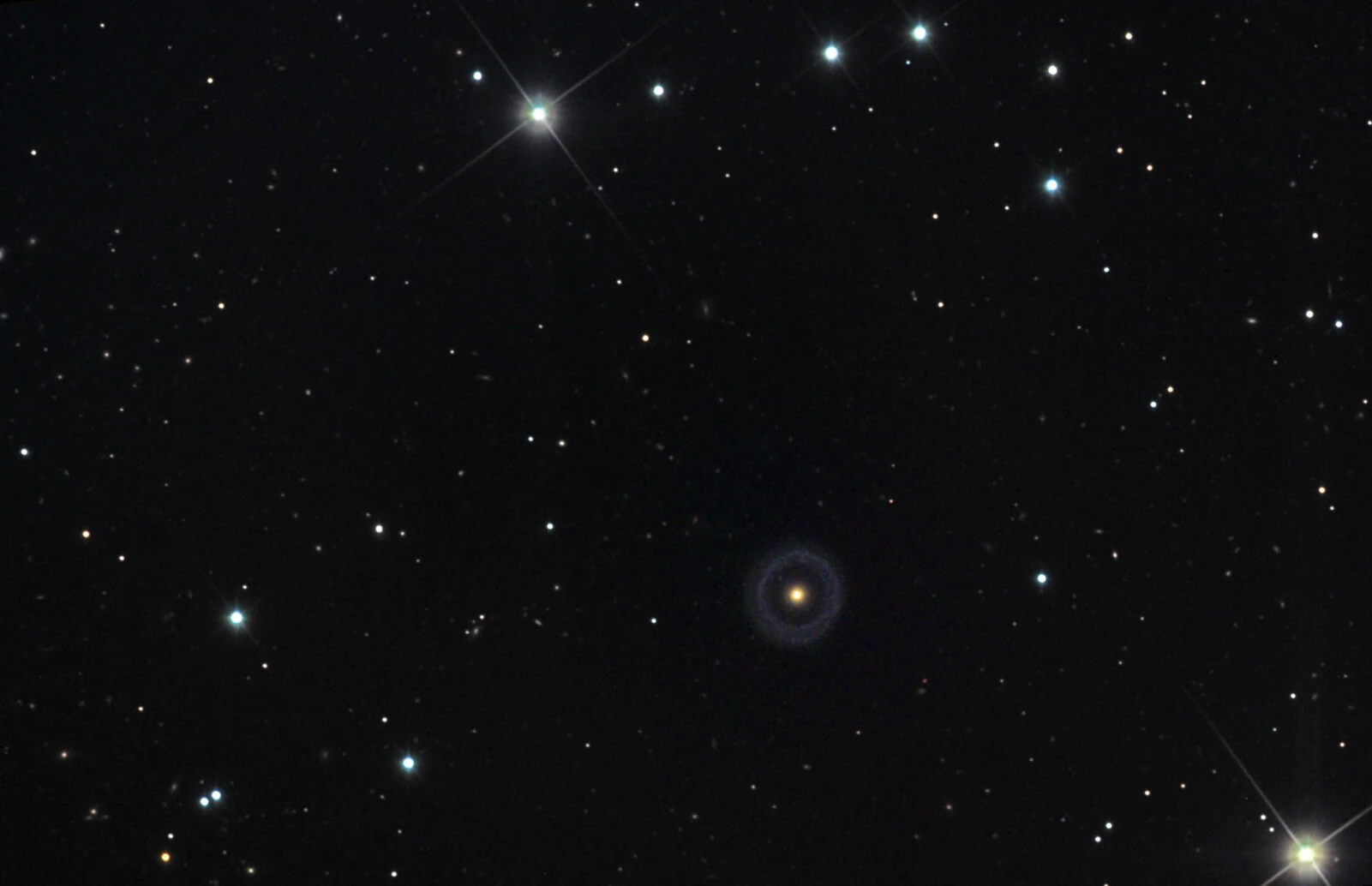
The Dark Energy Camera Legacy Survey imaged about 1.6 billion sources. Even after aggressive quality cuts, that leaves nearly four million galaxies, far more than any team will ever eyeball. The discoveries hiding in a catalog that size are usually not the objects someone built a detector for. They’re the ones nobody thought to name: a galaxy bent into a ring, a gravitational lens that slipped past the catalogs, a pair caught mid-collision. A small family of tools now goes looking for exactly those, and the trick behind all of them is the same. Let one person teach an algorithm what “interesting” means, then let the machine apply that taste to millions of images. ...