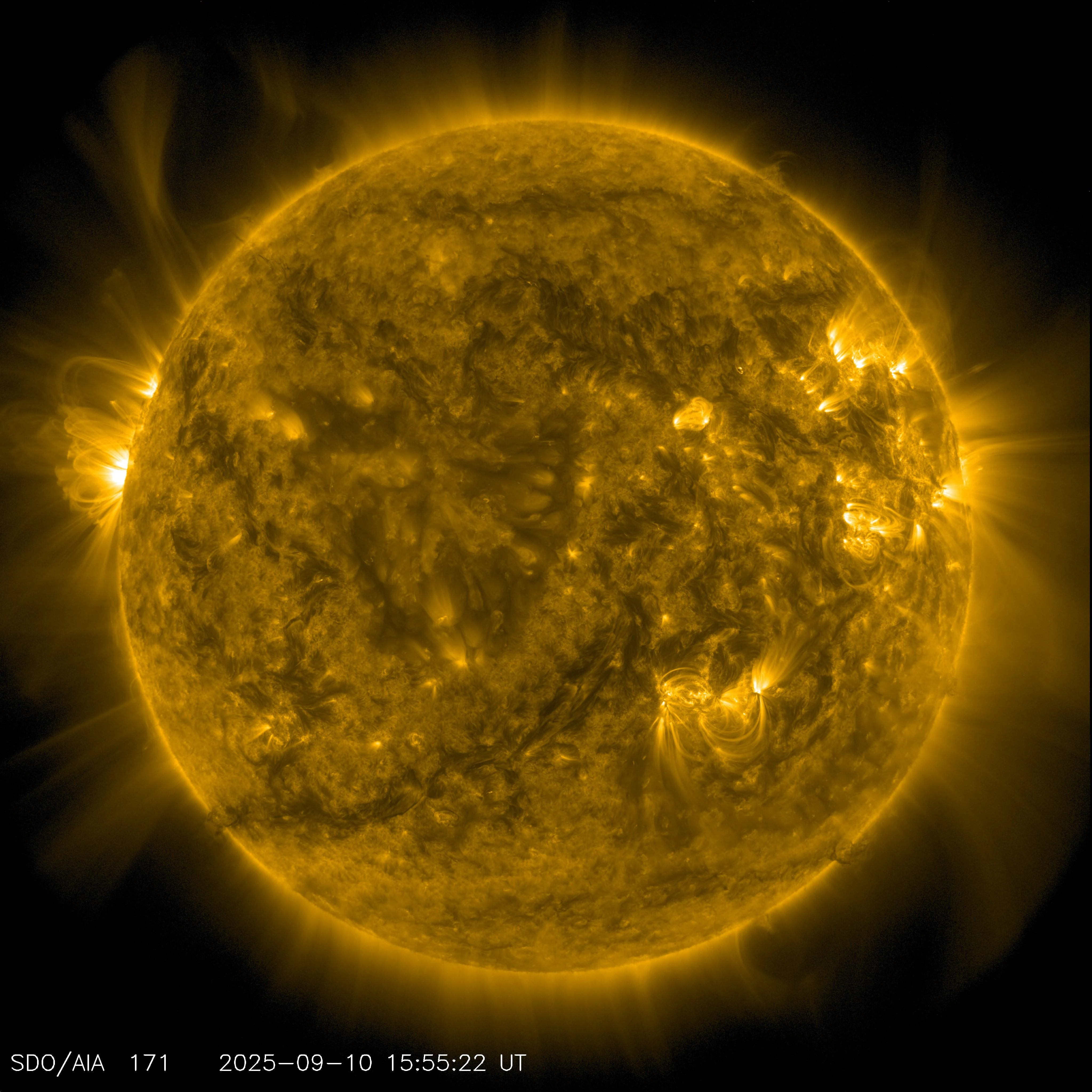
Image of Sun from NASA's Solar Dynamics Observatory
AI × astronomy

Machine learning is learning to hear inside the Sun

The Sun is a bell. Not a metaphor — the entire solar interior resonates with acoustic waves, trapped pressure oscillations that bounce between the surface and the core roughly every five minutes. The field that studies these oscillations is called helioseismology, and for three decades a network of ground stations has been recording every pulse. A team at the University of Sheffield and the National Solar Observatory just ran 30 years of those oscillations through three different machine learning architectures. All three converge on the same prediction: Solar Cycle 25 peaked in early 2025, and the next minimum falls around 2030–2031. The paper, published this month in Solar Physics, is one of the first to treat the Sun’s acoustic frequency shifts as a forecasting signal for the solar cycle — not just a diagnostic one. ...
May 21, 2026 · 6 min · Andreas Ioannou
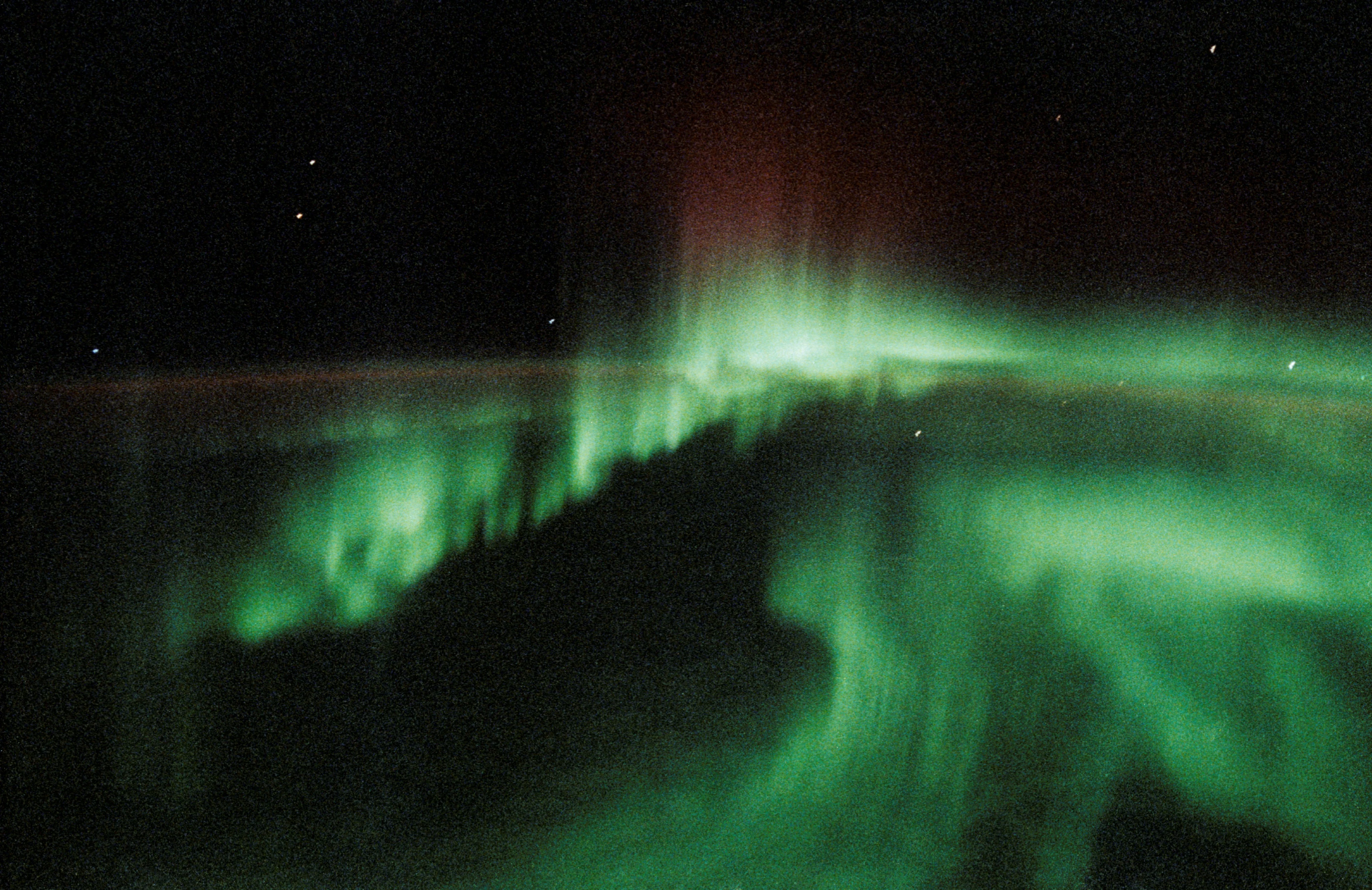
STS-47 view of the Aurora Australis
Space news

SMILE is in orbit: what happens between now and the first X-ray image of Earth's magnetosphere

At 03:52 UTC this morning, a Vega-C rocket lifted off from Kourou carrying SMILE — the Solar wind Magnetosphere Ionosphere Link Explorer — into a 707 km circular parking orbit. ESA’s New Norcia ground station in Western Australia picked up the spacecraft’s first signal at 04:48 UTC. Solar panels deployed one minute later. The first mission designed to X-ray Earth’s entire magnetosphere in real time is alive and drawing power. I covered the science in detail two weeks ago, before the launch window opened. Now that the spacecraft is actually flying, here’s what happens between today and the first X-ray image of Earth’s magnetic shield — and when the data starts mattering for aurora forecasts. ...

May 19, 2026 · 6 min · Andreas Ioannou
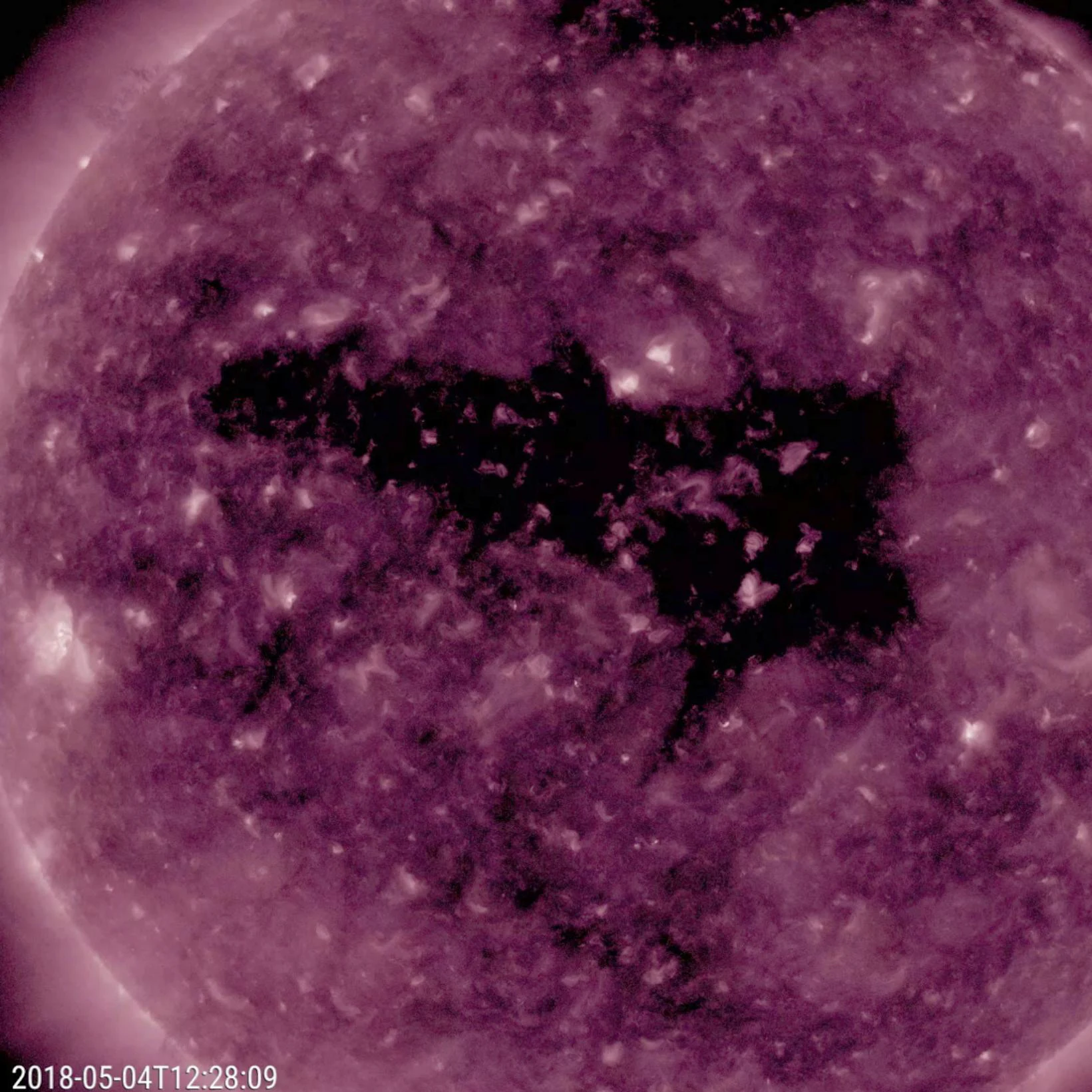
Coronal Hole Facing Earth
Space news

ESA's SMILE launches May 19: the first spacecraft to X-ray Earth's magnetic shield

In twelve days, a Vega-C rocket lifts off from Kourou carrying the first spacecraft designed to image Earth’s entire magnetosphere in soft X-rays while simultaneously filming the aurora in ultraviolet. ESA and the Chinese Academy of Sciences’ SMILE mission (Solar wind Magnetosphere Ionosphere Link Explorer) will watch, in real time, how Earth’s magnetic shield deforms under solar wind pressure and trace that energy all the way down to the auroral oval. ...

May 7, 2026 · 7 min · Andreas Ioannou