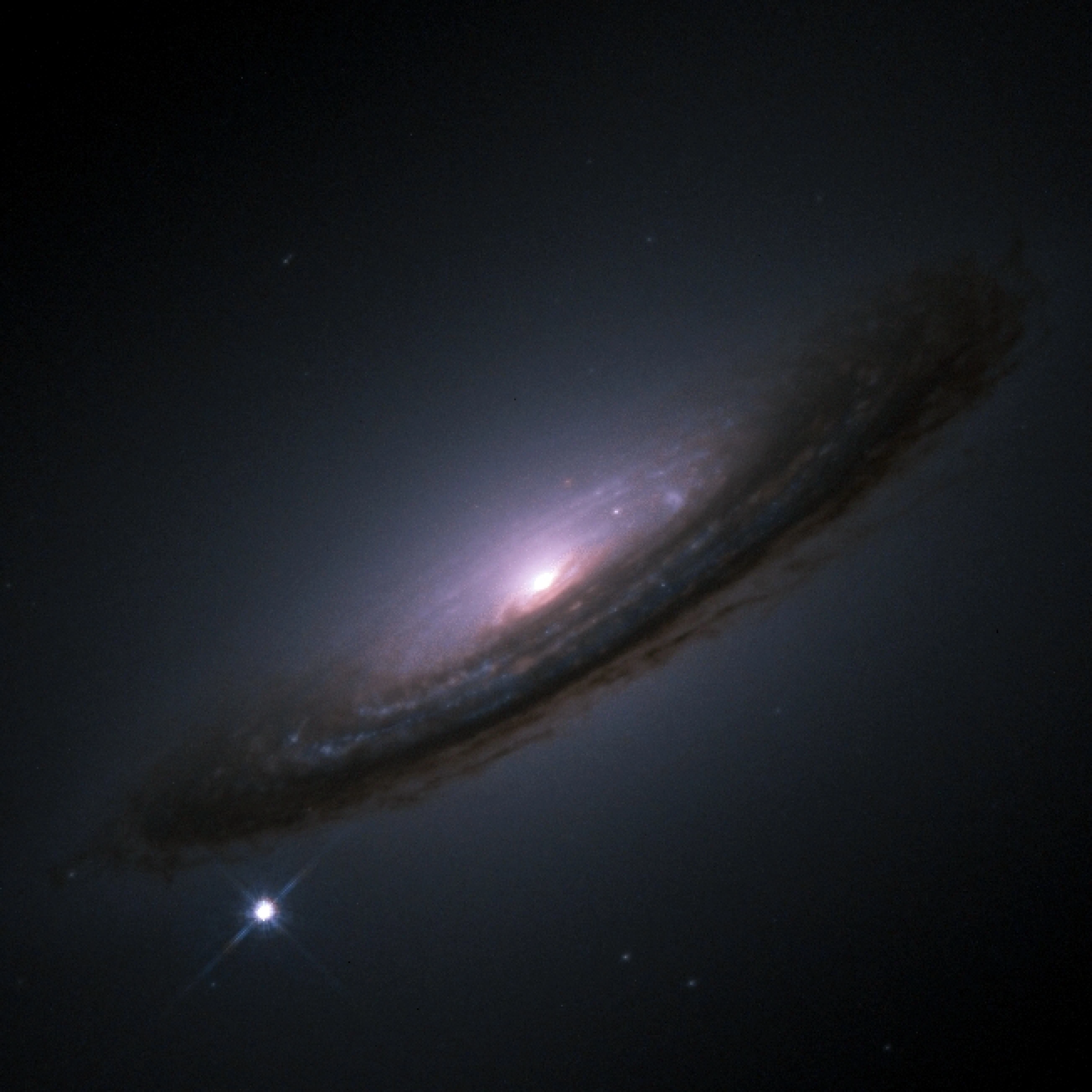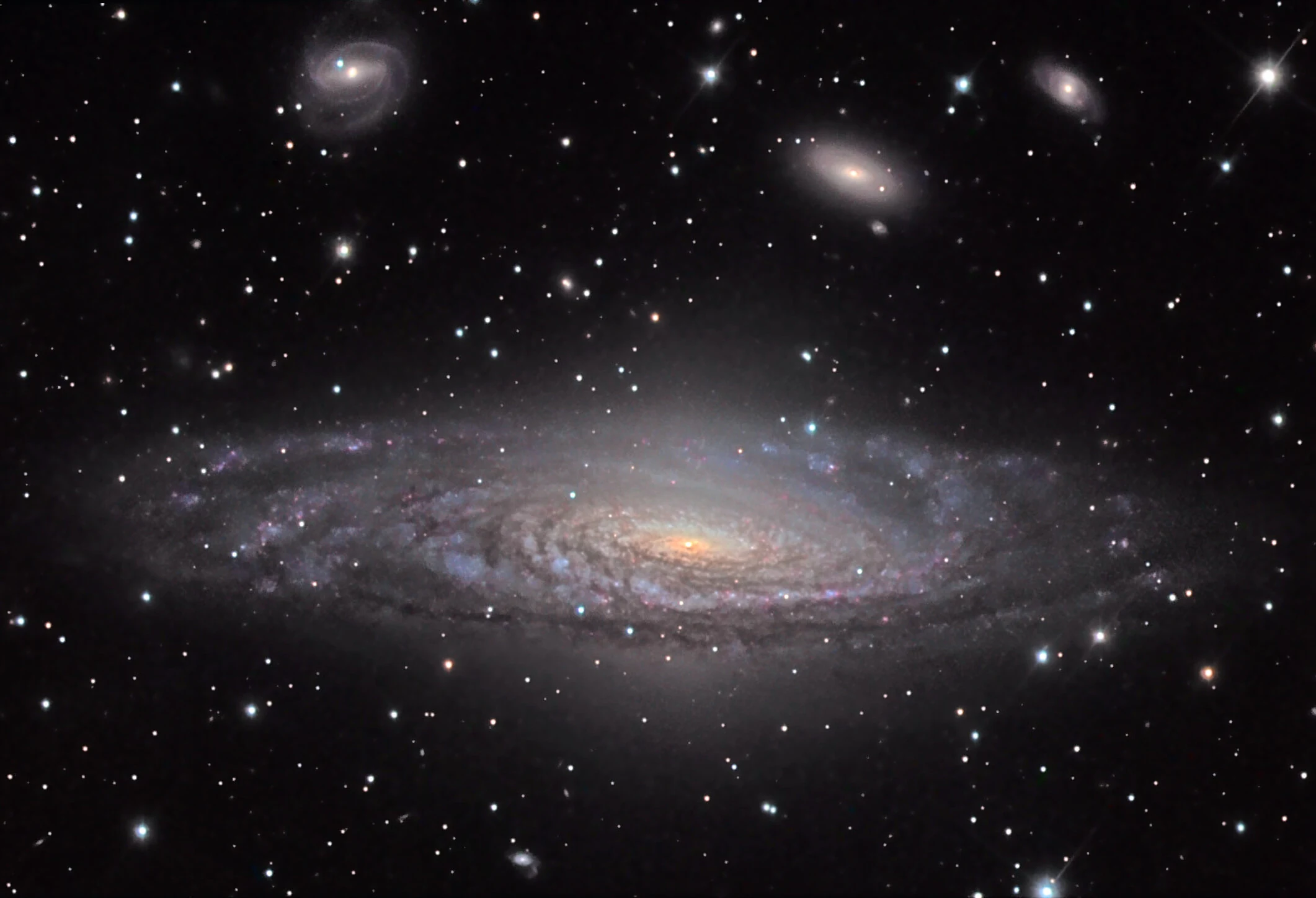
SN 2026aaiv: a Type Ia supernova is brightening in NGC 7331, and how to see it
A white dwarf in the galaxy NGC 7331 tore itself apart in a thermonuclear explosion, and the light is only now reaching us, bright enough to catch in a backyard telescope. SN 2026aaiv is a Type Ia supernova in a spiral galaxy in Pegasus, about 44 million light-years away, and it’s still brightening. The ATLAS survey flagged it on September 1; by September 11 it had climbed to roughly magnitude 13.8, and observers expect a peak near 11th to 12th magnitude within a week or two. Pegasus rides almost overhead from 35°N around midnight this month, so from Cyprus the timing and the geometry both line up. If you own a telescope or a smart scope, the next couple of weeks are the window. ...