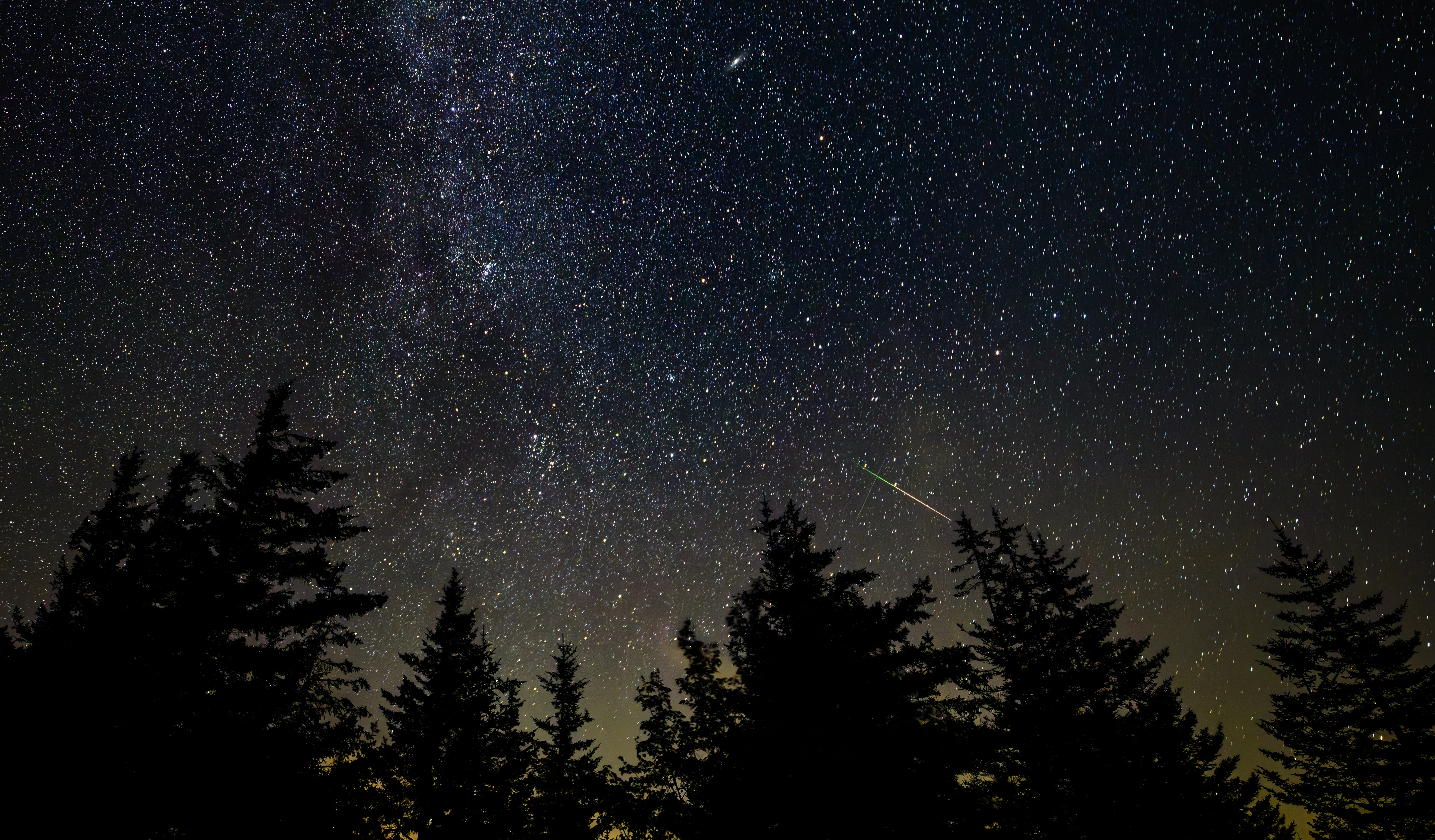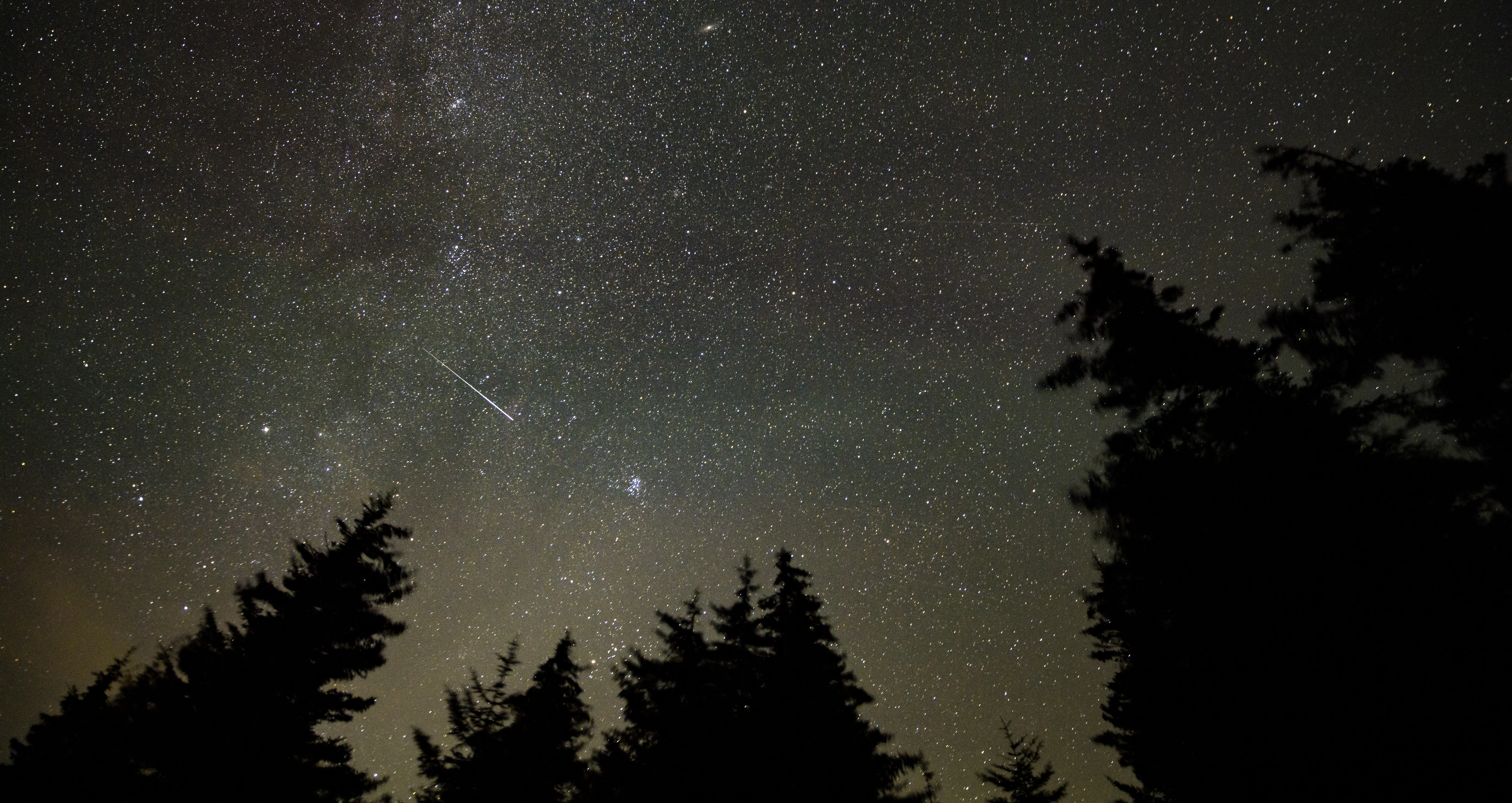
A single meteor streaks across a star-filled night sky above the dark treeline of Spruce Knob, West Virginia, during the annual Perseid meteor shower
Celestial event

Perseids 2026: a moonless peak on August 12–13, the best in five years

The Perseids peak overnight on August 12–13, and this year the Moon stays out of the way entirely. It turns new on August 12 at 17:37 UT, so the peak night is as dark as any night gets. That combination, the richest summer shower landing on a moonless sky, is what observers wait years for, and it hasn’t happened since 2021. If you clear a single night for meteors in 2026, make it this one. Here’s when to be out, where to point your eyes, and why the eclipse dominating everyone’s calendar that same day is, for those of us in the eastern Mediterranean, the less interesting half of August 12. ...

July 29, 2026 · 7 min · Andreas Ioannou
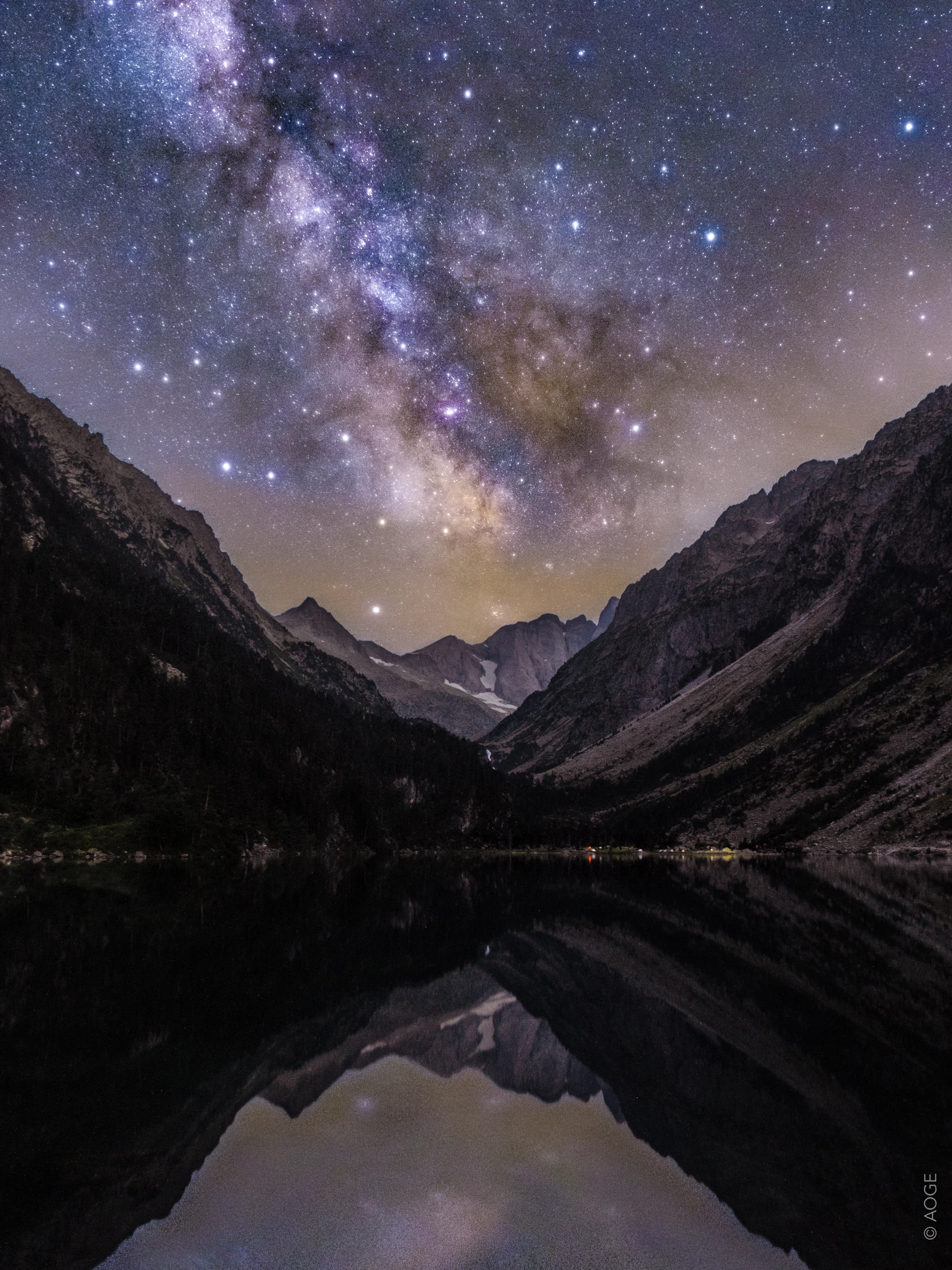
The Milky Way arching over a mountain valley, with stars reflected in a high-altitude lake
Astrotourism

Stargazing from Troodos: a practical guide to Cyprus's mountain dark sky

If you live anywhere on Cyprus, you can be under SQM 21.3 skies in 90 minutes. The Troodos massif covers the central third of the island, peaks at 1,952 m on Mount Olympus, and is the only place on Cyprus with both real darkness and paved roads to it. From my balcony in Nicosia (Bortle 7, SQM around 19.0 on a good night), the difference is roughly two visual magnitudes. The Milky Way goes from “you can almost see it” to “you can read your watch by it.” ...

April 26, 2026 · 9 min · Andreas Ioannou
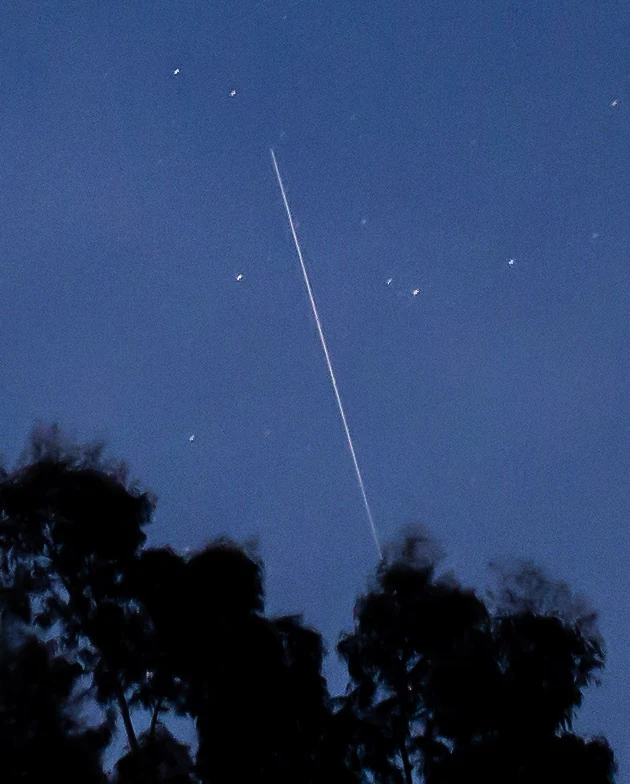
A Lyrid meteor streaks across a dark starfield in this 2022 photograph
Celestial event

The 2026 Lyrids are done. The Eta Aquariids are next, and the moon is going to fight you

The Lyrids peaked around 19:40 UT on April 22 — essentially yesterday evening for anyone in Europe. Conditions were as good as this shower gets: a new moon on April 17 meant only a thin crescent in the sky, and it set before 10 pm local, leaving the prime post-midnight hours properly dark. Under a clean dark site the International Meteor Organization expected 18–20 meteors per hour at the peak. From a light-polluted backyard, Space.com put realistic rates closer to 8–12/hour. ...

April 23, 2026 · 7 min · Andreas Ioannou